1. Home
  2. Emerging Tech
  3. News

NASA taps Lockheed Martin to build Orion spacecraft for decade-long moon mission

Add as a preferred source on Google

NASA awarded Lockheed Martin the Orion Production and Operations Contract (OPOC), which tasks the company to design and prepare six to 12 Orion spacecraft in the next decade to go to the moon.

In a news release published on Tuesday, September 24, NASA announced the contract that will “focus on reusability and building a sustainable presence on the lunar surface.” 

Recommended Videos

“This contract secures Orion production through the next decade, demonstrating NASA’s commitment to establishing a sustainable presence at the Moon to bring back new knowledge and prepare for sending astronauts to Mars,” said NASA Administrator Jim Bridenstine, in the press release. “Orion is a highly-capable, state-of-the-art spacecraft, designed specifically for deep space missions with astronauts, and an integral part of NASA’s infrastructure for Artemis missions and future exploration of the solar system.”

The contract lasts until September 30, 2030, and includes the production of a minimum of six and a maximum of 12 Orion spacecraft as part of NASA’s Artemis missions. Artemis III through V is valued at $2.7 billion, while the second batch of Artemis VI through VIII is valued at $1.9 billion. 

The hope is for Orion to take the very first woman and the next man to the moon by 2024. The last people to set foot on the moon were Eugene “Gene” Cernan and Harrison “Jack” Schmitt during the Apollo 17 mission in December 1972. 

NASA has been testing the Orion spacecraft to perfect it before the 2024 deadline. 

A test in early August at White Sands Test Facility near Las Cruces, New Mexico, saw NASA put Orion’s propulsion system through its paces for a full 12 minutes in a simulation of what the space agency described as “one of the most taxing situations the spacecraft’s engines could encounter after launch.”

Aside from the Orion project, the contract with Lockheed Martin also supports the production of Gateway, NASA’s lunar-orbiting mission. 

The decision to partner with Lockheed Martin to produce the Orion Spacecraft isn’t too much of a surprise since NASA announced several partnerships with companies back in July to advance commercial space and future NASA missions. 

“We have learned a lot about how to design and manufacture a better Orion—such as designing for reusability, using augmented reality and additive manufacturing—and we’re applying this to this next series of vehicles. Driving down cost and manufacturing them more efficiently and faster will be key to making the Artemis program a success,” said Mike Hawes, Orion program manager for Lockheed Martin Space, in the company’s official statement.


Allison Matyus
Former Digital Trends Contributor
Allison Matyus is a general news reporter at Digital Trends. She covers any and all tech news, including issues around social…
Yet another study says AI is bad for elections, and the rabbit hole gets worse
AI may be an election bomb waiting for someone to light the fuse
Voters cast their ballots on Election Day

Another election, another study has concluded that asking an AI chatbot for political guidance is a spectacularly bad idea. Research conducted during Hungary’s 2026 parliamentary election found that ChatGPT and Google Gemini offered not just inaccurate but also inconsistent and unreliable voting advice. The chatbots misclassified voter profiles, overlooked relevant parties, recommended parties absent from the ballot, and sometimes produced materially different answers when given the same information repeatedly.

AI keeps failing the voter test

Read more
Samsung’s humanoid robot ambitions are real, but factories come first
Samsung’s new robotics division has humanoids in its sights, although its immediate business is far more practical factory automation
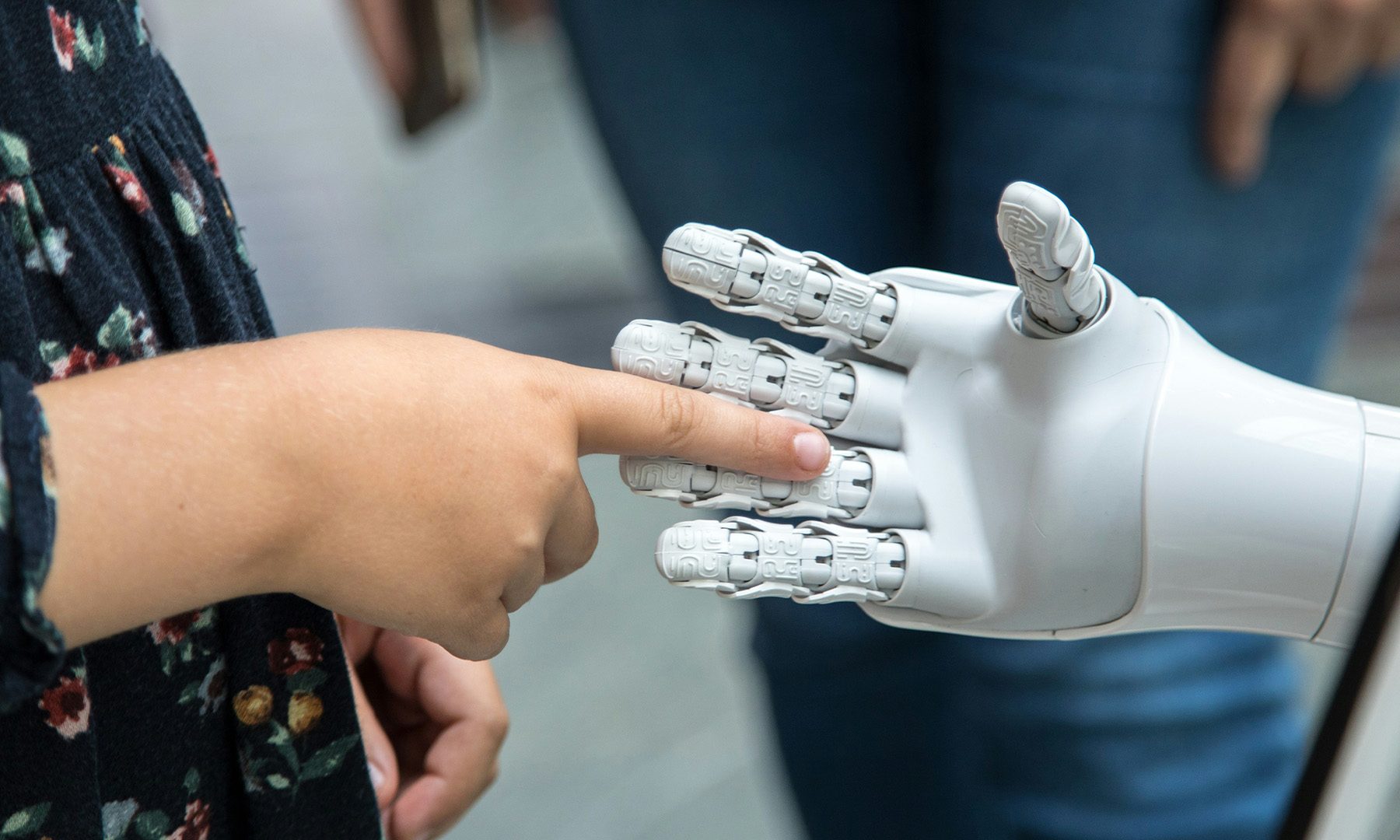
Robot Touch Human Finger

Samsung wants a place in the humanoid race, but its new robotics push begins with machines built for factories rather than homes.

The CEO-led RX robotics division will initially focus on manufacturing robots. Samsung has separately identified humanoids as a priority, although it hasn’t announced a commercial model or explained where one fits into the division’s immediate plans.

Read more
The future of AI may depend on this one behind-the-scenes change
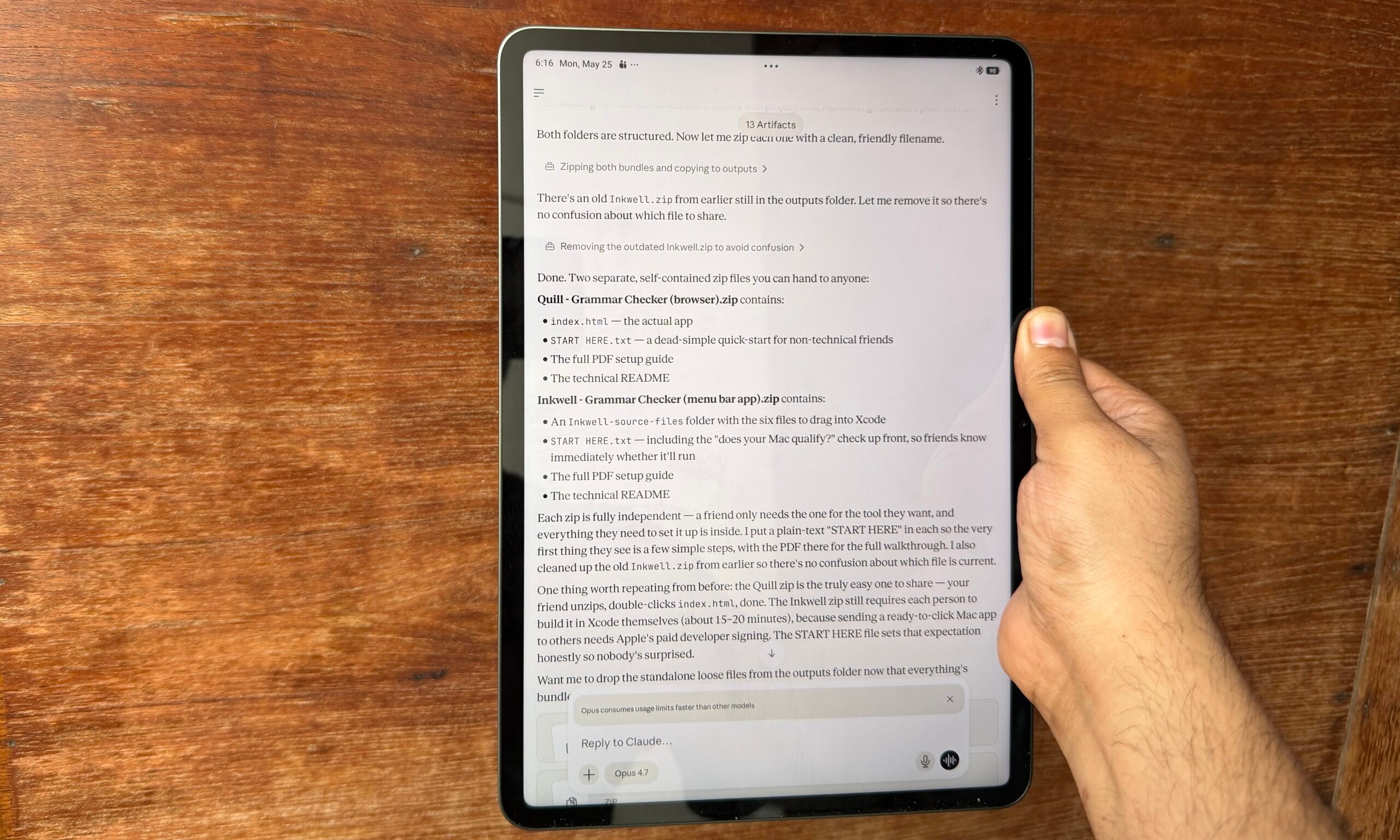
Running Claude on Android.

Whenever a new AI model arrives, it's easy to get caught up in the bells and whistles. We talk about how much smarter it is, how quickly it answers questions, or how realistic its images have become. But here's the thing: none of that matters much if the AI can't reliably work with the apps and services people use every day.

That's why an upcoming update to the Model Context Protocol (MCP) caught my attention. It isn't a new chatbot or a fancy AI model. In fact, most people will never even know it's happening. But it could quietly make the AI ecosystem a lot healthier. If you've never heard of MCP before, don't worry. Think of it as a shared language that lets AI assistants safely talk to apps like Gmail, Slack, calendars, databases, and countless other services. Instead of every company inventing its own way to make those connections, MCP gives everyone a common rulebook.

Read more