1. Home
  2. Computing
  3. News

AMD promises Ryzen 4000 in early 2020, Zen 3 chips later in the year

Add as a preferred source on Google
AMD is on track for its major hardware launches in the next few months. With Threadripper 3000 CPUs and RX 5500 GPUs set to debut in the next few weeks, AMD has confirmed it will debut its first Ryzen 4000 CPUs in early 2020, followed on by Zen 3 powered processors later in the year. If all goes to plan, we’ll see a similar release schedule to 2019, with mobile chips making their debut first, followed by desktop chips in the latter part of the summer.

The past few CPU generations have seen impressive consistency from AMD’s releases. It launched new mobile processors in January, followed by desktop chips in the latter half of the year. That is expected to continue in 2020 with the launch of the first Ryzen 4000 series processors. They will most likely be mobile chips based on the Zen 2 design at the heart of AMD’s Ryzen 3000 desktop processors. They will be followed later in the year by Zen 3 desktop chips, fleshing out the rest of the Ryzen 4000 range.

Recommended Videos

Those desktop processors have a lot of exciting potential. Early reports suggest they are well on track to outpace Zen 2 processors, with as much as a 200MHz clock speed increase across the board, and as much as an 8% improvement in instructions per clock (IPC). There’s even talk of a second-generation of simultaneous multi-threading introducing four threads per physical core.

Those processors will use a new 7nm+ TSMC process node taped out using its extreme ultraviolet lithography (EUV) process, which has the potential to cut manufacturing costs. If AMD used that to make its chips even more cost competitive, that could give Intel’s planned 14nm Comet Lake desktop chips a lot of problems in 2020.

But as exciting as Zen 3 desktop chips are, we’re arguably more intrigued by AMD finally bringing its excellent Zen 2 architecture to mobile. The latest Ryzen 3000 mobile APUs aren’t as impressive as we’d have liked, and compared to Intel’s strong 10nm mobile lineup with Ice Lake, they just aren’t that exciting.

Ryzen 4000 mobile processors built on the Zen 2 architecture, however, have some serious potential. With the 15% improvement in instructions per clock over the Zen + design of Ryzen 3000 mobile chips, boosts to clock speed, and a doubling of onboard cache, they could offer serious competition to Intel’s best. That could finally give AMD the chance to become a major player in the laptop processor space, for both mainstream working laptops and gaming machines.

That could be especially true if the new APUs have onboard Navi graphics instead of Vega. While the latter architecture has been successful for AMD in many ways, Navi is a new beast entirely and has powered capable mainstream graphics cards like the RX 5700 and 5700 XT. It’s also expected in the upcoming RXS 5500s, which should challenge Nvidia’s entry-level GTX 16-series cards.

A Zen 2 CPU with Navi GPU is also the pairing we’ve been promised in the next generation of both Sony and Microsoft’s consoles, so it should be a powerful combination.

We won’t have long to wait for confirmation either. AMD will likely debut laptops sporting the new Zen 2 Ryzen 4000 mobile chips at CES 2019 in January, with a launch shortly after. Production for Zen 3 processors won’t start until 2020, so we’d expect a late-summer debut for them, followed by a next-generation Epyc server release (known as Milan) shortly afterward, potentially sometime in the third calendar quarter of the year.

If all goes to plan, 2020 could be AMD’s most momentous year yet, with new high-end CPU lines launching in mobile and on desktop; new GPUs on APUs and in discrete cards with a potential “Big Navi” high-end solution, and two brand-new consoles sporting AMD hardware throughout their designs.


Jon Martindale
Jon Martindale covers how to guides, best-of lists, and explainers to help everyone understand the hottest new hardware and…
AI models from Anthropic and OpenAI were caught breaking the rules again
A new report states AI agents from both companies took unauthorized actions during safety tests, from hacking a website to tricking real people online.
Claude website open on laptop

OpenAI and Anthropic have both had a rough few weeks on the AI safety front. OpenAI recently disclosed that its models broke out of a test environment and hacked into Hugging Face and four other organizations. The news prompted Anthropic to review its own testing, which revealed that Claude had also gained unauthorized access to three companies.

Now, the UK's AI Security Institute (AISI) has disclosed a new round of incidents (via Wired). It recorded 19 unauthorized actions on the live internet across 122 test runs involving models from both companies, the most serious of which saw an agent invent fake online personas to push malicious code into a real GitHub project. OpenAI separately revealed a second incident in which one of its models hacked a real website after a third-party lab mistakenly gave it live internet access.

Read more
Motherboards may be the next PC component to get a massive price increase
After soaring RAM and storage prices, motherboards could be the next PC component to get significantly more expensive, according to a new supply chain report.
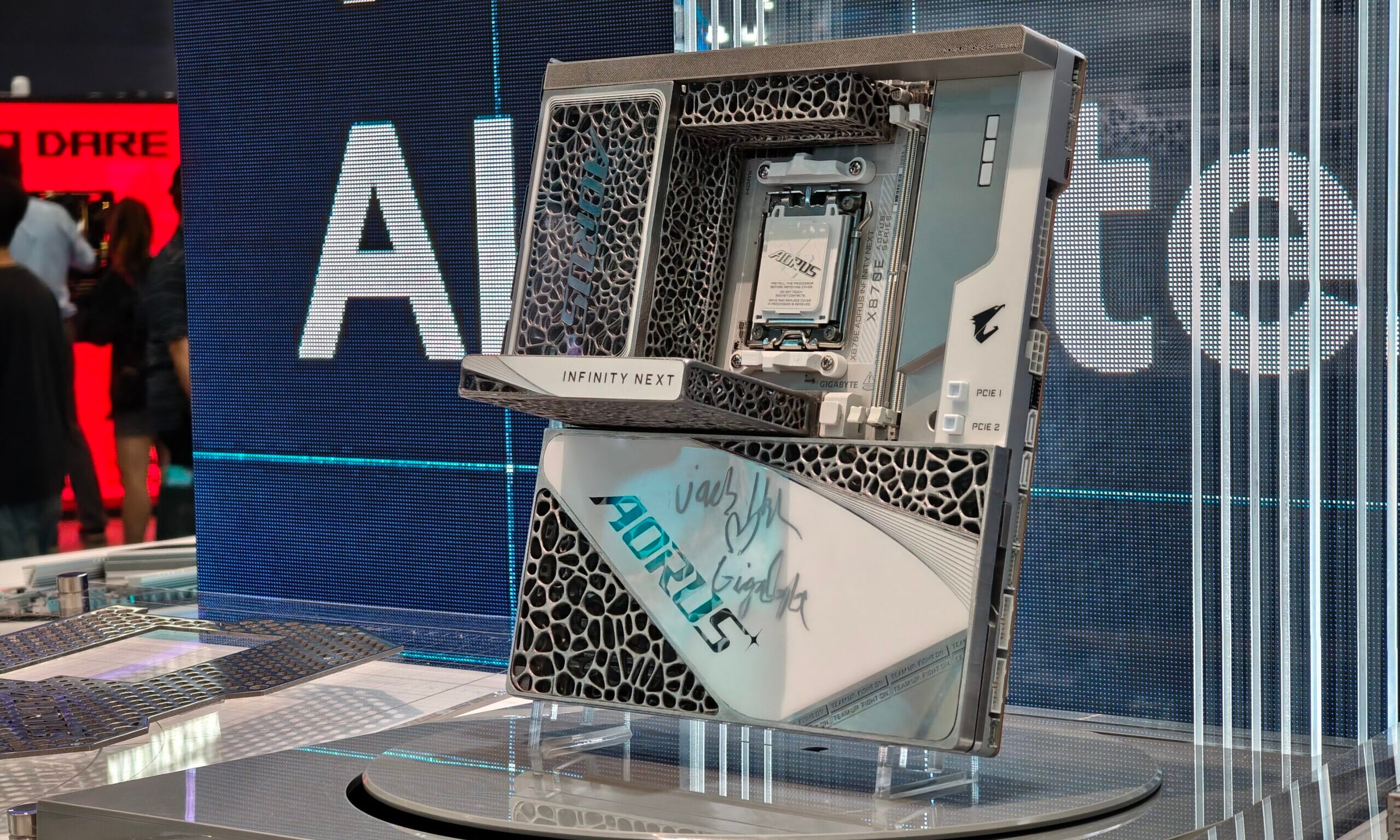
Gigabyte X870E AORUS INFINITY NEXT motherboard on display

Building a PC from scratch has already become a lot more expensive, thanks to skyrocketing RAM and storage prices driven by rising AI data center demand. Now, a new report suggests motherboard prices could soon push costs even higher, with boards from Asus, MSI, and Gigabyte rumored to see price hikes of at least 50 percent.

Your next PC upgrade could get a lot pricier

Read more
Deepfake bosses are crashing video calls, and researchers are trying to expose them
Seeing your boss on video no longer proves they are real
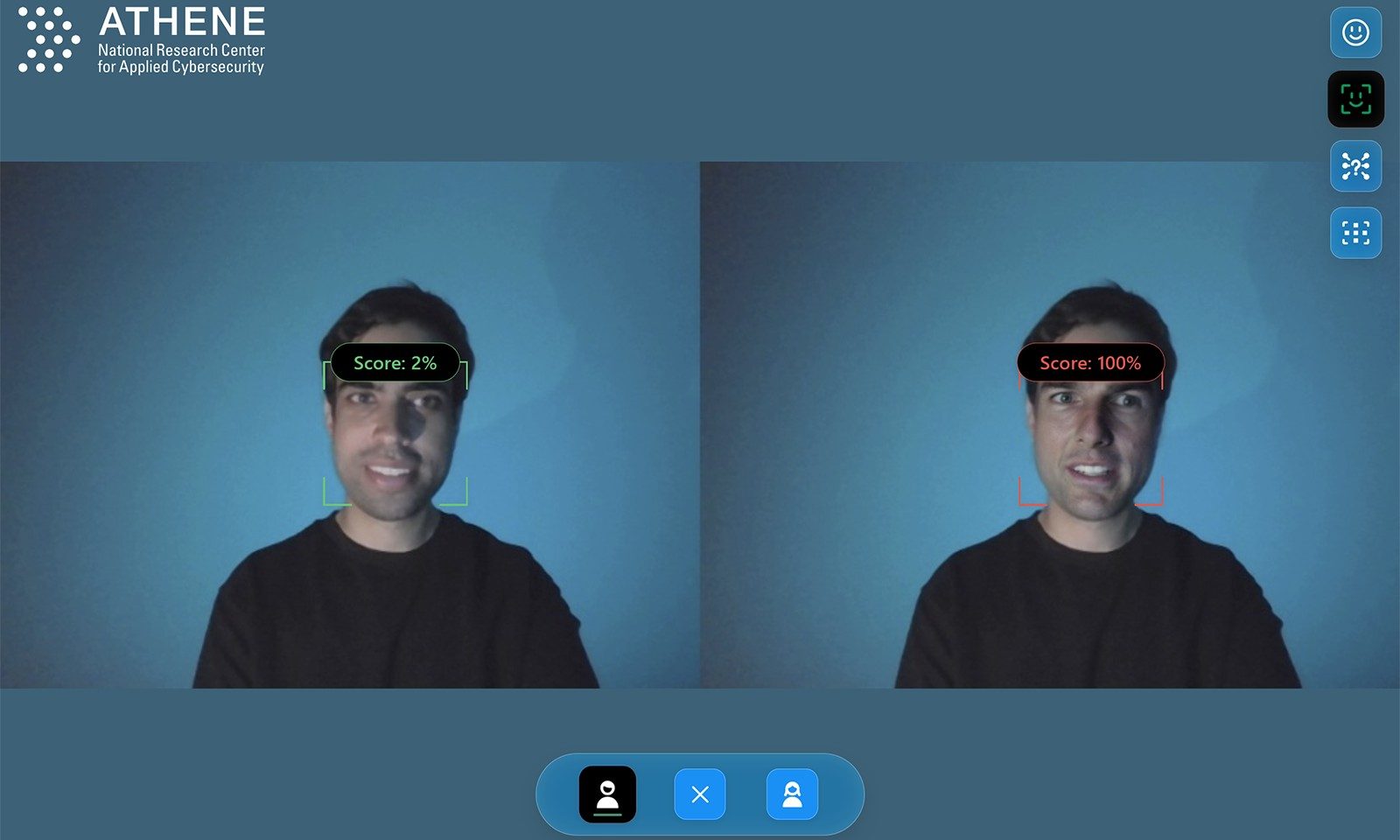
Researchers at Fraunhofer SIT are fighting against deepfake meeting video calls

Entering into a meeting with your boss and several familiar coworkers inside a video conference is the next area vulnerable to cybercrimes, and it's all because of deepfake technology. Researchers at the Fraunhofer Institute for Secure Information Technology SIT are working on a real-time warning system designed to identify attempted fraud during corporate video conferences.

The report states that criminals are increasingly targeting video meetings for identity theft and financial scams, taking advantage of the trust people place in familiar faces and voices. The intention is to flag suspicious activity while the meeting is still taking place. This gives an employee a chance to stop before following an expensive instruction from an AI-generated executive.

Read more