  1. Home
  2. Phones
  3. Android
  4. Mobile
  5. News

AT&T lights up low-band 5G in 10 new cities alongside the Note 10 Plus 5G launch

Add as a preferred source on Google

AT&T has flipped the switch for its low-band 5G network in 10 new cities — double from what it promised last month. This coincides with the launch of AT&T’s Samsung Galaxy Note 10 Plus 5G, which is the network operator’s first true 5G device, on sale today for $1,300. It joins the small but growing list of 5G devices currently available, and AT&T plans to add more devices to the program soon.

AT&T subscribers who are on the Unlimited Extra or Unlimited Elite plans will be upgraded automatically to the new network at no additional charge. It’s available starting now in a handful of cities including San Francisco; San Jose, California; Pittsburgh; Birmingham, Alabama; Indianapolis; Los Angeles; Milwaukee; Pittsburgh; Providence, Rhode Island; Rochester, New York; and San Diego.

Recommended Videos

However, do note 5G still has a fairly limited reach and before jumping the gun, it’s best to go through these coverage maps to ensure your 5G support. In addition, browsing on 5G will cost you a much larger amount of data and you will be burning through those “unlimited” plans’ throttling caps much quicker than you do on LTE.

“We believe 5G technology will be game-changing, and we continue to help drive this next wave of innovation. We were the first in the U.S. to offer commercial mobile 5G, and this is the next step as we build to nationwide service in the first half of 2020,” Scott Mair, President of AT&T Technology Operations, said in a statement.

It’s also worth mentioning that the network AT&T is rolling out is on the low-band spectrum and doesn’t deliver the blazing fast 1Gbps+ of the higher frequency mmWave 5G like T-Mobile’s 600MHz network or Verizon’s mmWave 5G — though it’s still a considerable upgrade over 4G LTE. AT&T says that will come at a later date.

What’s more, AT&T said it expects to roll out the new 5G network to “Boston; Bridgeport, Connecticut; Buffalo, New York; Las Vegas; New York City, and other markets” in the first half of 2020.

AT&T’s launch marks a significant step toward a 5G future and is the first of the many announcements to come. With Qualcomm’s new Snapdragon 865 chipset, we expect more manufacturers to introduce 5G-compatible phones in 2020. Apple is rumored to announce a 5G edition iPhone at its next September unveil as well.

Shubham Agarwal
Shubham Agarwal is a freelance technology journalist from Ahmedabad, India. His work has previously appeared in Firstpost…
After test-driving iOS 27, my iPhone still doesn’t feel like it has made a substantial leap
Siri learned new tricks. Safari got smarter tabs. My morning routine didn't change at all.
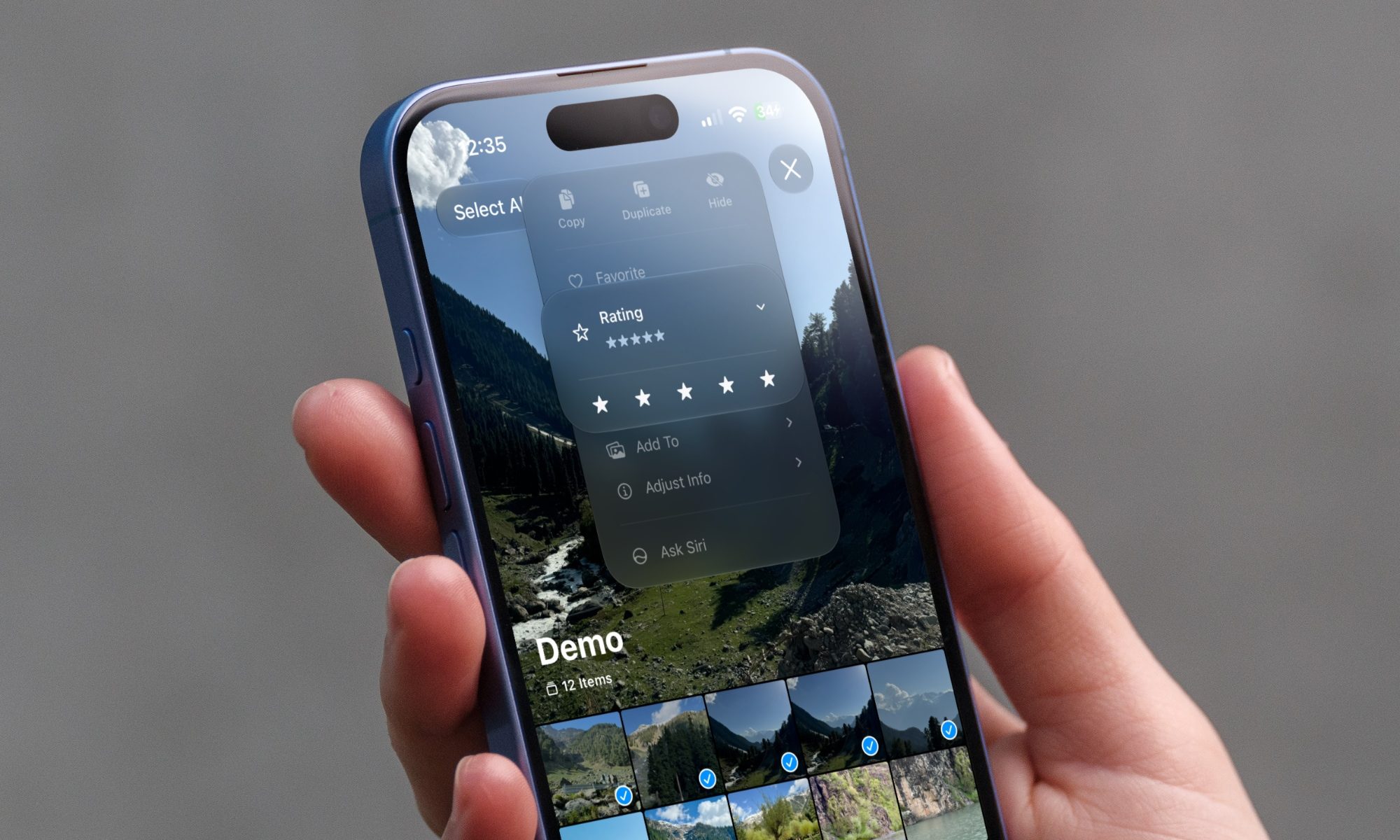
iOS 27 new star rating feature in Photos

Every June, after Apple wraps up its annual WWDC keynote, I install the latest iOS beta on my iPhone, watch the progress bar crawl to completion, and wait for the inevitable restart. For years, picking up my phone afterward felt almost identical to how it did before the update. 

I saw the same grid of icons, the same Control Center, and the same version of Siri until iOS 26 finally broke that pattern in 2025.

Read more
Android 17 makes a strong case for ignoring Android version numbers entirely
When the most noticeable change is a better Quick Settings button, the annual update cycle starts looking more like branding than progress.
Android 17 logo.

Android 17 finally separated the Wi-Fi and mobile data buttons, and I hate how much that improved my mood. For years, Android treated internet access like one mysterious blob, as if Wi-Fi and cellular data were emotionally codependent. In Android 17 Beta 3, Google split the old combined Internet button into separate Wi-Fi and mobile data tiles, making each connection easier to switch off with a single tap.

That’s a good change, which is also why it’s a little damning. When one of the cleanest wins in a major OS update is “the buttons make sense again,” the celebration gets awkward fast.

Read more
Samsung’s Galaxy Z Fold 8 lineup could cost hundreds more this year
Samsung's next foldable comes with premium pricing pre-installed
Leaked render of Samsung Galaxy Z Fold 8.

Samsung's next generation of foldable smartphones may arrive with significantly higher price tags than their predecessors. According to information shared by Roland Quandt of WinFuture, the upcoming Galaxy Z Fold 8, Galaxy Z Fold 8 Ultra, Galaxy Z Flip 8, and the Galaxy Watch 9 lineup are all expected to see price increases in Europe when they are unveiled later this month.

While flagship smartphones have steadily become more expensive over the past few years, the leaked pricing suggests Samsung could be taking another sizeable step upward, particularly for buyers opting for higher storage variants.

Read more