Women are doing some pretty amazing things here on Earth, but women in the space sector are going the extra mile to create a stronger female presence in space and beyond. While, like on Earth, there’s more work to be done as far as equality and inclusiveness go, women have come a long way in staking out our own space within the space industry.
There are programs that provide education and resources for women looking to get into the field, women are taking an active role on the International Space Station (ISS), and more women are making major decisions in the aerospace sector.
One small step for women …
The first female to ever go to space was Russian astronaut Valentina Tereshkova in 1963. NASA astronaut Mae Carol Jemison was the first female African-American to go to space back in 1987. The first woman to be on a crew for the ISS was Susan Helms, who was a flight engineer on the Expedition 2 mission in 2001.
You may not recognize these names as much as their male counterparts like Neil Armstrong or Buzz Aldrin, but their accomplishments paved the way for women in the space sector.
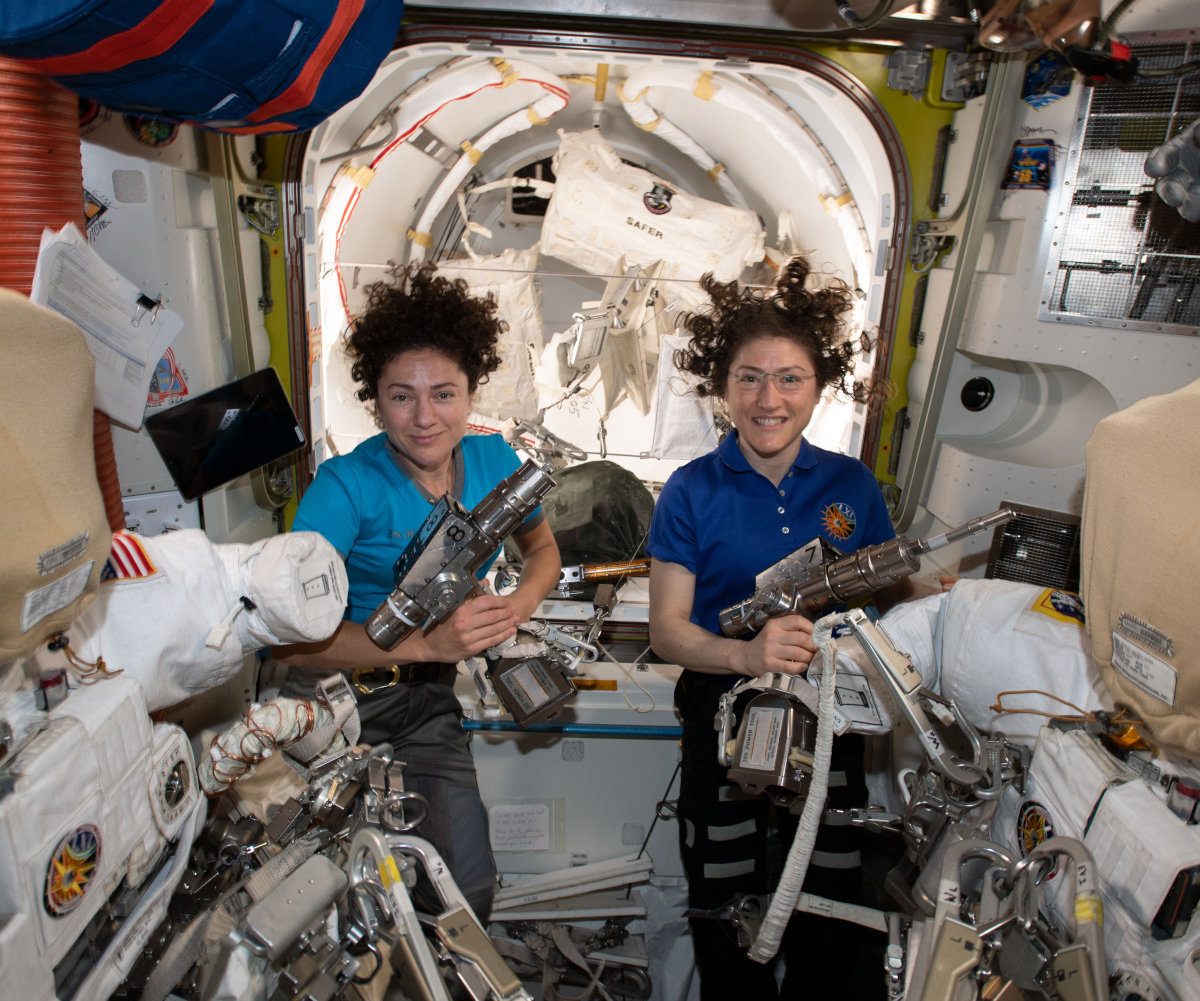
In October, the first all-female spacewalk took place outside the ISS with NASA astronauts Christina Koch and Jessica Meir taking part
Koch has since broken a new duration record for a single space mission by a woman after she spent 328 days in space at the ISS.
Back here on Earth, several women are running major aerospace companies. According to Yale Insights, three of the top five aerospace companies are headed by women, including Marillyn Hewson, the CEO of Lockheed Martin; Phebe Novakovic, the chairwoman and CEO of General Dynamics; and Kathy Warden, the CEO and president of Northrop Grumman.
Lori Garver was only NASA’s second female deputy administrator when she held the title from 2009 to 2013. Now, her and her fellow co-founders run the Brooke Owens Fellowship Program, which pairs women with paid internships at aerospace companies like NASA, Boeing, Blue Origin, SpaceX, and more.
“Programs that help put a focus on [women] can be very positive,” Garver told Digital Trends. “We’ve seen a great reception for hiring these women.”
“Programs that help put a focus on [women] can be very positive.”
Garver said that there is a waiting list of companies interested in participating in the program, which further reinforces that women have a place in space.
“I’m really grateful and want to celebrate the success we’ve had, while at the same time, there’s still a long path ahead,” she said. “I’d like to see more focus on the value that space programs bring.”
Another women-centered program is the Sensoria Space Program, which provides training, professional development, and research experience to female-led and female-majority crews. An all-women team just finished the program’s inaugural, two-week stint in a Mars habitat simulator last month.
Dr. Sian Proctor was a part of last month’s simulation, as well as a member of the first crew at the same habitat in 2013. Back then, there were only three women.
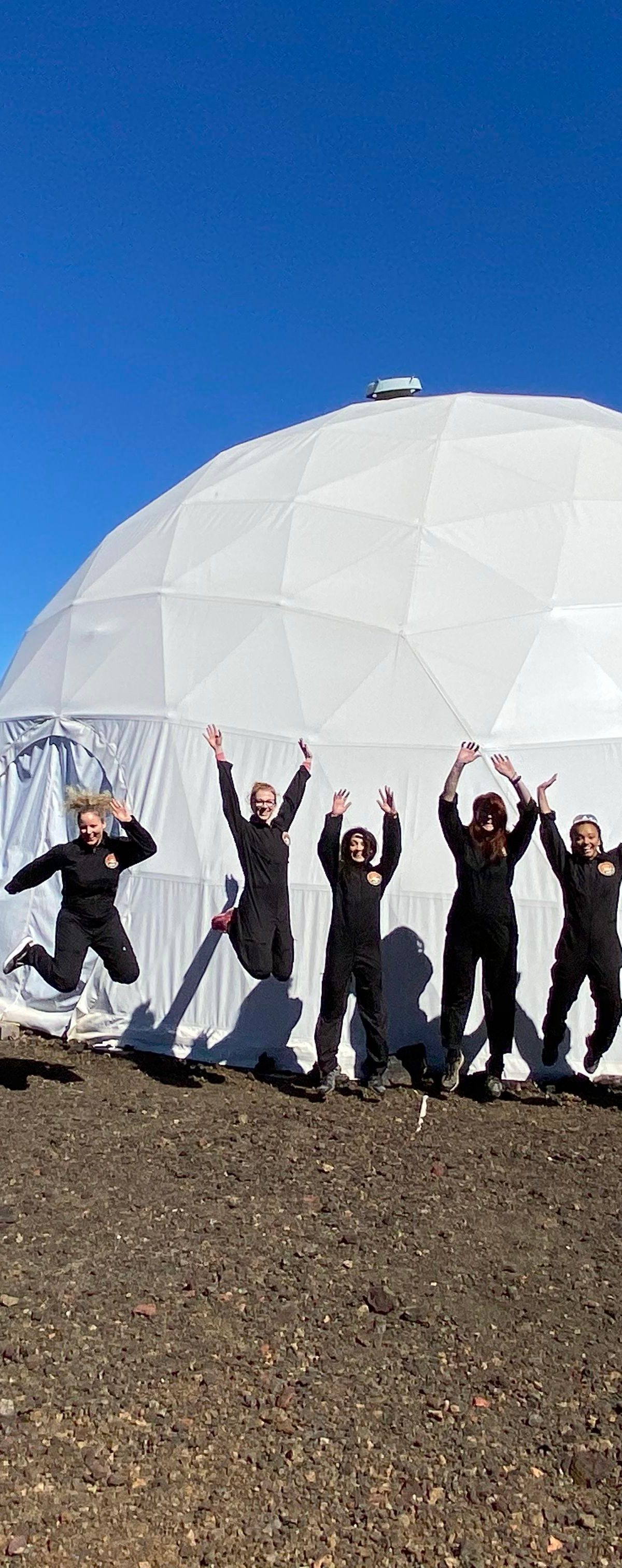
“To come back seven years later and to have an all-female crew, and to be around spectacular women who are doing amazing things … it gives me hope and joy to the future and being a part of the change that is happening,” she said.
Finding an Oprah for space
Getting these female-centered stories out in the open and allowing women to have the same opportunities as men when it comes to space exploration takes time.
According to Space.com, of the 566 people who have flown into space so far, only 64 have been women, and of the 38 currently active NASA astronauts, only 12 are women.
Even when women get opportunities, they are still faced with discrimination in a field that is male-dominated.
“Women in our program have way too many stories still about being the only woman in their program and being mansplained,” Garver said. “We just all have to look at unintended biases and work to overcome them collectively.”
Proctor said the solution is to bring women to the forefront of space and science efforts at conferences and speaking engagements, as well as in the media and entertainment industry.
“Women in our program have way too many stories still about being the only woman in their program and being mansplained.”
“If you really want big cultural change, then you need females in shows that are popular [and] that are talking about and doing science,” she said.
An example Proctor used is that when we think of big names in the space and science industries, we immediately think of Neil deGrasse Tyson or Bill Nye. She said that we need females in those public-facing roles as well.
“Who is the Oprah of the space community? There isn’t one,” she said.
Proctor also said that recognizing all women of all races is especially crucial for inclusiveness in the space sector.
“It’s important that women of color to also have a voice within the women in space movement,” Proctor said. “It gets bigger than just women … it gets to the point of equity, access, and inclusiveness.”
The next generation of women in space
Ultimately, the future of women in space is in the hands of women currently getting into the field. As more people understand that inclusiveness needs to expand in the industry beyond simply hiring more women, the change will happen.
Proctor said it’s especially important for women to have the same experiences that men have had.
“A lot of the conversation has been, ‘we’ve been to the moon, we’ve done that,’ but when we talk about access, really only a small number of white males have been to the moon,”she said. “Just because humans have done it, it denies the place of others in access to those experiences.”
Luckily, NASA has plans to send the first female to the moon through its Artemis mission by 2024.
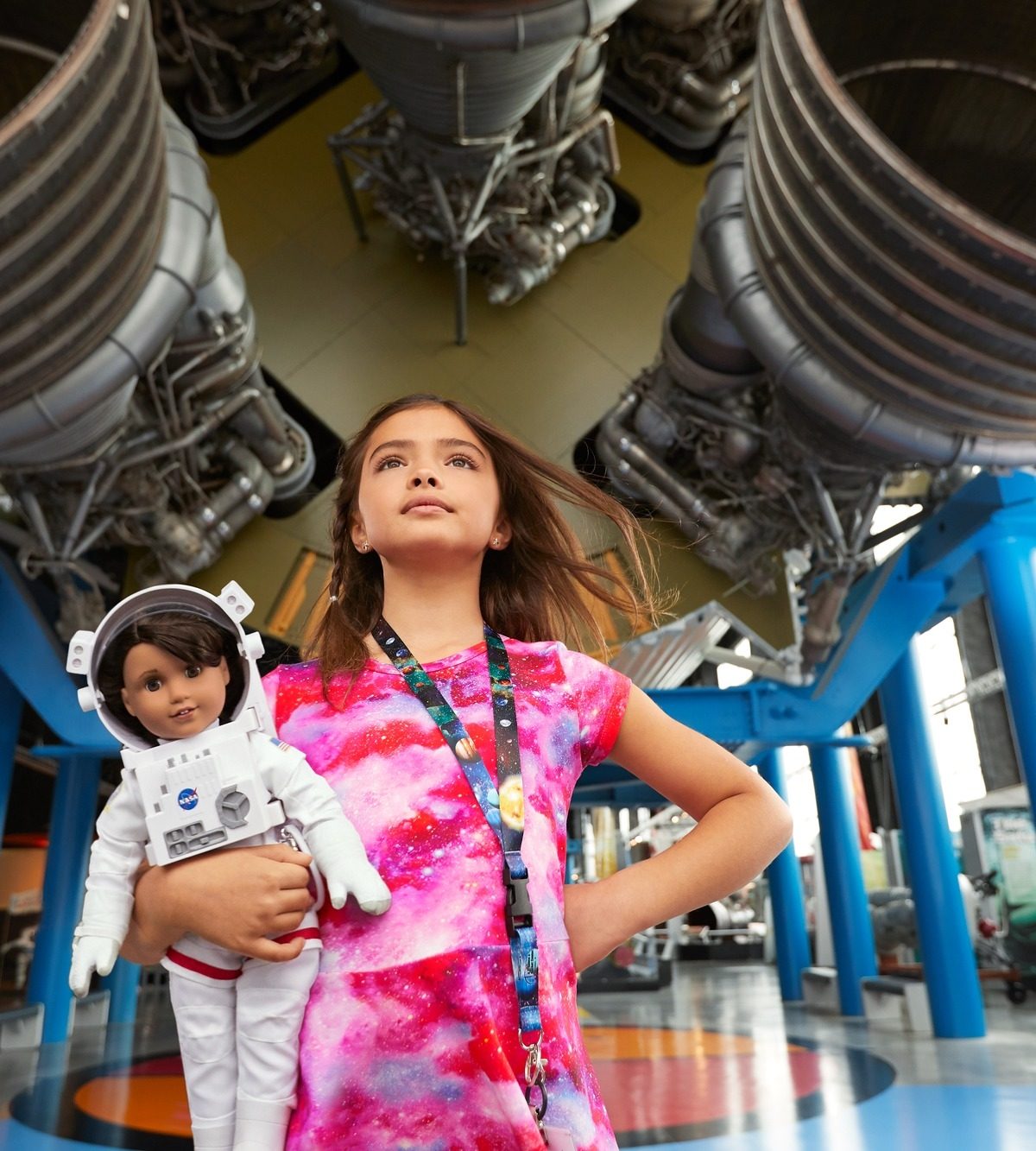
For those little girls out there hoping to land on the moon one day, or even simply be treated as equals to their male counterparts, Proctor and Garver said that the future is still bright.
“I encourage women to come into the field … we need them,” Garver said. “They are going to be able to make an impact, and I think there is a general openness to hiring and promoting [women] that I have not seen in my career.”
“Don’t get discouraged,” Proctor said. “There are a lot of women who have come before you that are here to mentor you.”