PC gamers have a time-honored tradition of flexing hard on console peasants who, in their opinion, play on inferior hardware. Microsoft’s Xbox Series X is about to put that tradition to the test, and I’m not sure the PC’s hardware superiority will survive.
The Xbox Series X, now confirmed to have a GPU with 12 teraflops of compute performance, is much quicker than any previous console. It doubles the GPU performance of the Xbox One X, and nearly triples the PlayStation 4 Pro. At the same time, performance gains in PC hardware have stalled. New CPUs and GPUs are quicker than their predecessors, but the gains are slim.
This creates an unusual situation. The Xbox Series X is almost certainly faster than your gaming PC, and the new Xbox will maintain its dominance for years to come. What does that mean for PC gaming?
The Xbox Series X beats most gaming PCs
12 teraflops.
That number, confirmed by Xbox head Phil Spencer on February 24, 2020, is a big deal. The raw compute performance claimed by a component signals roughly (and I do mean roughly) how it stacks up to the competition. It’s a number that puts most of today’s PC gaming rigs to shame.
Nvidia’s RTX 2080 Ti, which claims 13.4 teraflops, is one of only two consumer graphics card that can beat the Xbox Series X today. You’d have to pay at least $1,100 to buy one today, and most RTX 2080 Ti cards go for $1,200 or more. Nvidia’s RTX Titan is the only card that beats it, but at about $2,500, it’s simply out of the realm of discussion for most PC gamers.
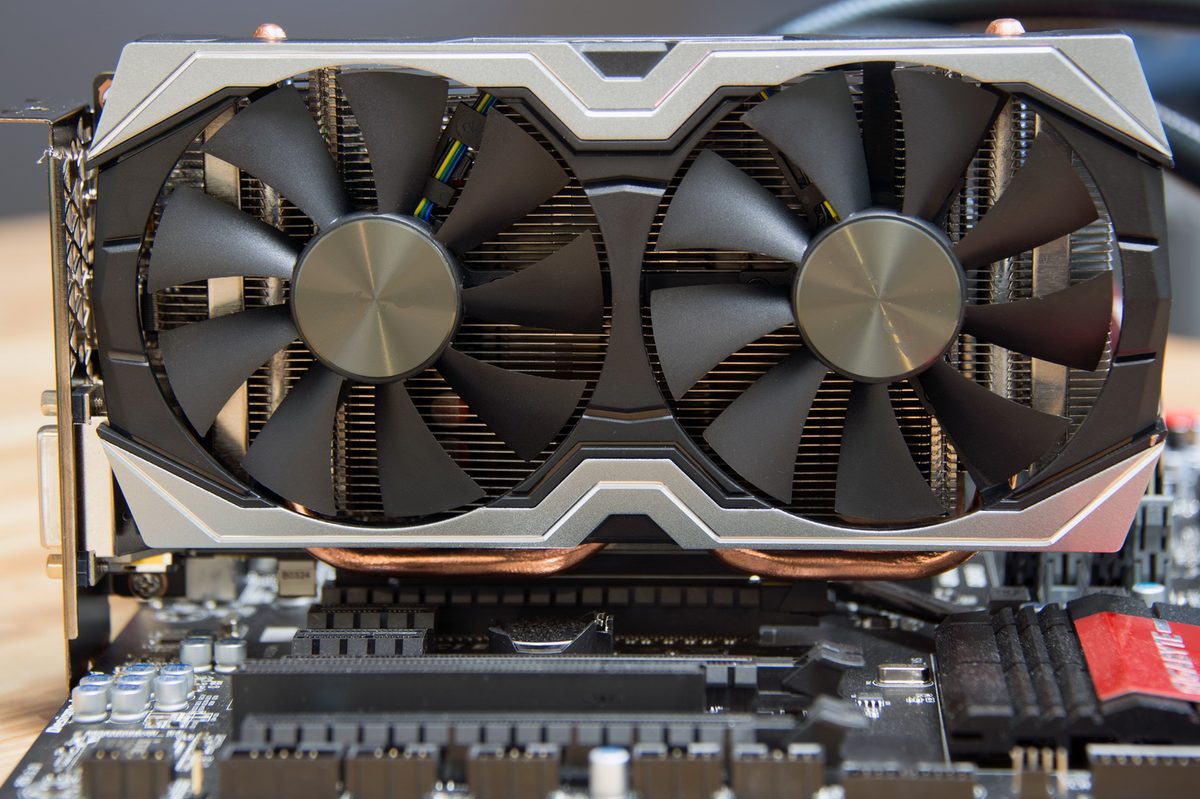
Predictably, most PC gamers go for less expensive options. The RTX 2080 Ti makes up just .7% of all rigs included in the Steam hardware survey. The entire Nvidia RTX 20-Series line, the only PC video cards that support ray tracing today, make up just 6.39% of all video cards used by gamers on Steam.
The most popular card? It’s still Nvidia’ GTX 1060, an old standby first released in July of 2016. The GTX 1060 boasts 4.4 teraflops of compute performance. It’s followed by Nvidia’s GTX 1050 and 1050 Ti, a pair of entry-level classics. The Xbox Series X puts these to shame.
Gaming PCs aren’t likely to leap back in front
It’s not strange for consoles to gain an edge over PCs at release. The Nintendo 64 and Sony PlayStation dove into 3D graphics before they were common in PC games. The Xbox 360 handled The Elder Scrolls IV: Oblivion better than all but the fastest PCs built in 2006. The original Xbox was no slouch, either. Early titles like Halo and Dead or Alive 3 were graphical powerhouses for their day.
These victories were short-lived, however, as PC hardware constantly improved. The Xbox Series X will be different. The Xbox Series X will be impressive for years.
PC hardware just isn’t improving at its former pace. “Moore’s Law,” the idea that chip transistor densities will double every two years (with performance following suite), is dead. Don’t take my word for it. Just ask Nvidia’s CEO.
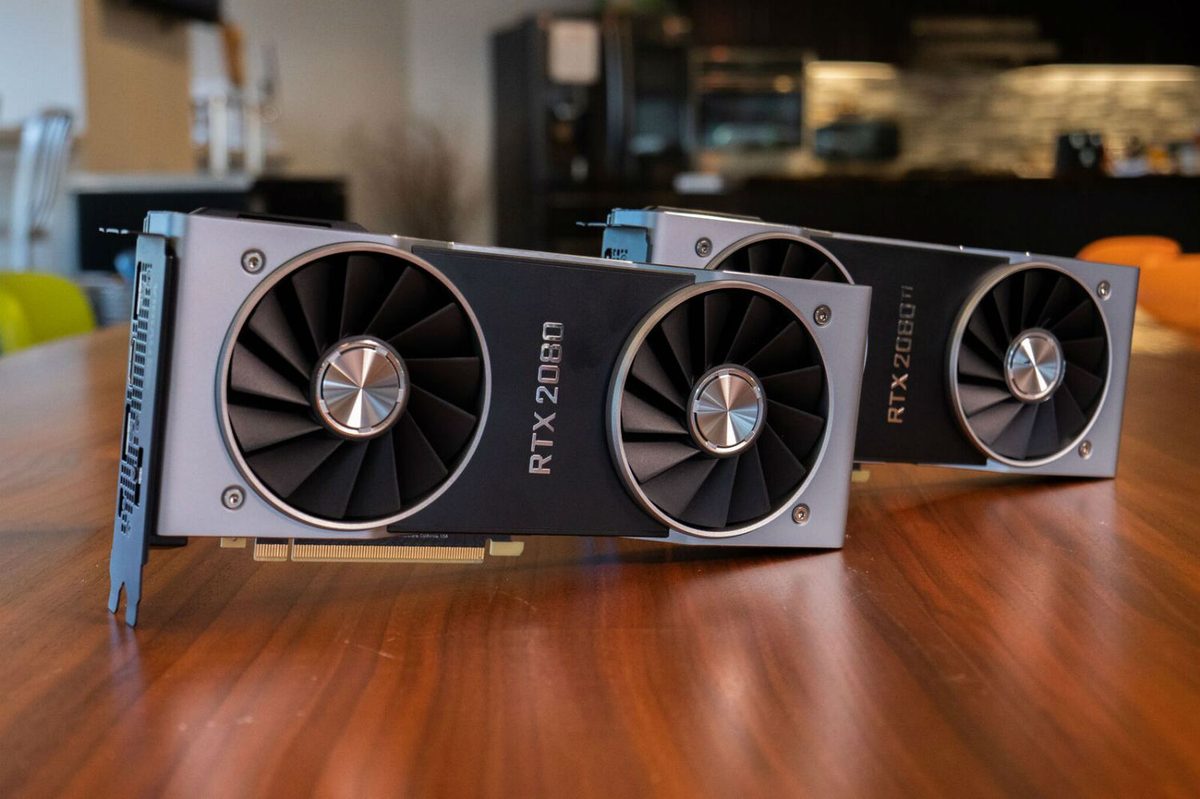
Nvidia’s hardware reflects this new reality. The GTX 1080 came out in May 2016 and was quoted at 8.8 teraflops. Its follow-up, the RTX 2080, came in September 2018 and quoted 10.1 teraflops. That’s about a 15 percent increase on paper, and disappointed reviewers noted the same meager gains in real-world gaming.
AMD faces the same problem. The popular Radeon RX 580 launched in April of 2017 with 6.2 teraflops of performance. The new Radeon RX 5600 XT is quoted at just 7.19 teraflops, a gain partially negated by the fact it’s more expensive at launch (The RX 580 was $230, while the RX 5600 XT is $280). The inexpensive Radeon RX 580 is still a fine option compared to newer Radeon cards, so long as you don’t mind the RX 580’s high power draw.
The days of easy gains in PC performance are at their end. PCs sold in 2023 will be quicker, yes. Yet the slow pace of improvement ensures the Xbox Series X will remain formidable for years to come.
Where PC gamers go from here?
This might seem doom-and-gloom for PC gamers, but Microsoft’s strategy with the Xbox Series X gives reason for optimism.
We still don’t know exactly what the Xbox line-up will look like going forward, but Microsoft has promised backwards compatibility for Xbox One titles, as well as Xbox 360 and original Xbox titles already available on the Xbox One. The company has also announced “Smart Delivery,” a feature that lets developers release one version of a game that’s compatible with multiple iterations of Xbox hardware. It’s clear Microsoft is setting the foundation for a broad push that includes multiple consoles across a wide range of price and performance.
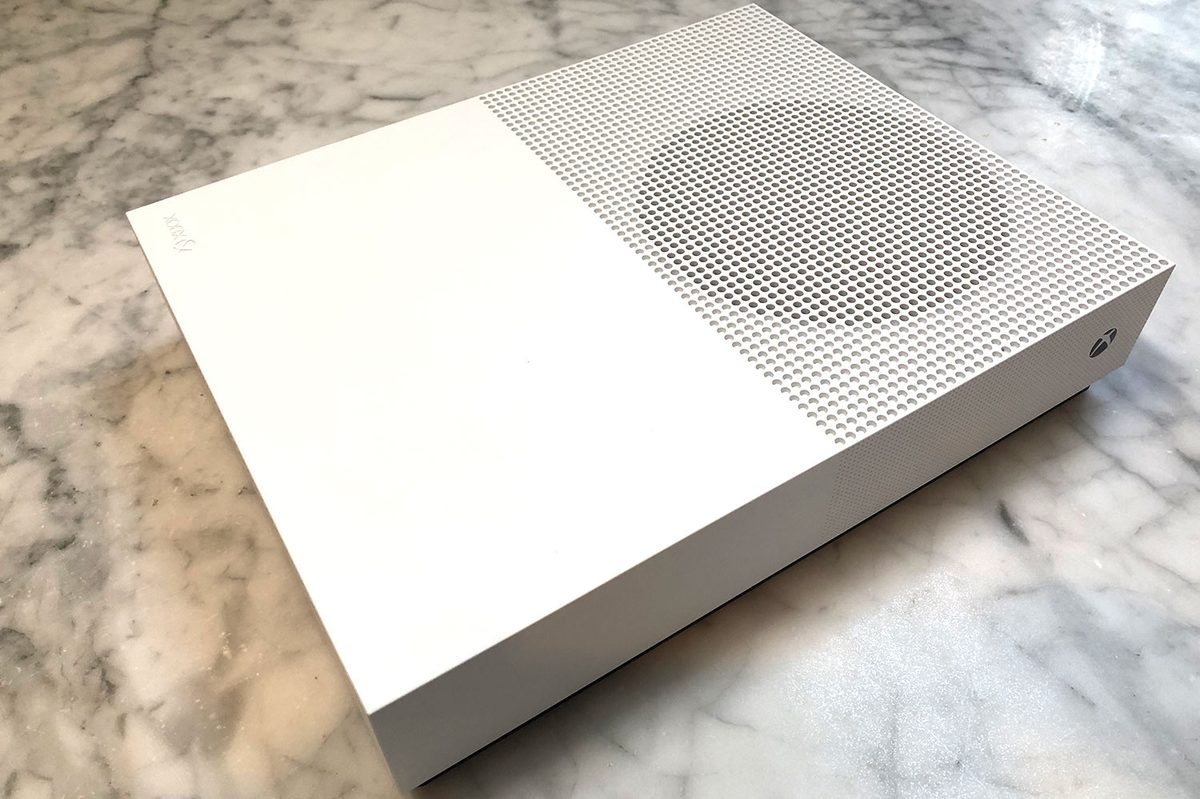
In the past, a killer new console could be trouble for PC gamers. Gamers who played in the mid-90s will remember many questionable ports of early 3D console games, like Star Wars: Shadows of the Empire. More recently, early Xbox 360 games like The Elder Scrolls IV: Oblivion created a situation where top-tier titles were easily playable on an affordable console, but difficult to enjoy on a budget or mid-range PC.
That won’t happen this time around. Developers have better tools and better tactics for building games that span a huge range of hardware (just look at recent Switch ports, for example). Microsoft, meanwhile, seems set to push a new console generation that offers an extreme high-end option that’s at least partially compatible with older consoles.
The answer to “where PC Gamers go from here,” then, is “anywhere they want.” Those who have money to spend on a 4K-capable rig that defeats the Xbox Series X can certainly spend it, and they’ll have a great experience. On the other hand, gamers with an entry-level video card will still be able to enjoy most games in the new generation – at 1080p and medium settings, of course.