Summer is here, and for many of us, that’s great news. But for the many of us who find ourselves working from home, summer also means electric bills are going to skyrocket — now more than ever with families continuing to follow social distancing guidelines. With warmer temperatures, longer days, and many summer activities canceled, costs are going to soar.
The U.S. Energy Information Administration forecasts rising electricity costs this summer. Homes need to stay cool for longer, computers will be on longer, and lights will be on more. If you’re not careful, it can get away from you.
Adding insult to injury, electricity rates tend to go up during the summer months. As people use more electricity, demand goes up, and prices follow. It’s not fair, but there is something you can do about it. Smart home tech can help you use less power, and use your power smarter.
Stay on top of your energy consumption
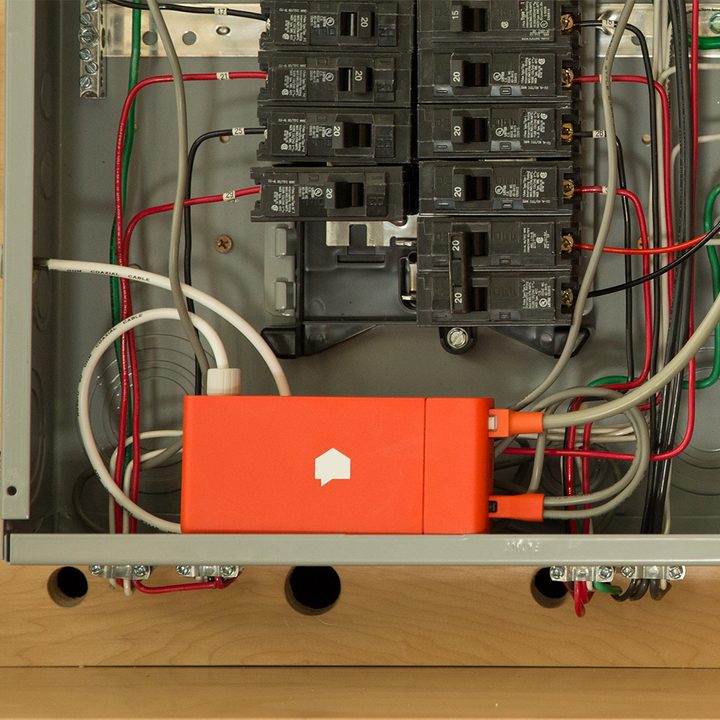
An energy monitor like Sense can give you an idea of what is using power in your house. Sense installs directly into your electrical panel and reads the current flowing into your house. Given time — and it does take some time — Sense will detect and identify new devices. I’ve had Sense installed in my house for about a week, and the data I’m currently limited to is “Wine Fridge”, “Pump”, “Always On”, and “Other.”
Over time, Sense will detect other devices such as the dishwasher, washing machine, dryer, furnace, and more. That “Other” bubble will shrink, while others pop up as Sense becomes familiar with how my house works. Once it has everything figured out, Sense is able to distinguish devices by identifying their unique electrical signals.
The accompanying app shows what is using power at that moment and over time. You can see trends in power usage, and even real-time data. That app will update every time a device kicks on or off. It’s neat to watch. What’s more, simply enter in your electricity cost (which you can get from your electric bill) and Sense will tell you how much money that wine fridge costs to power.
Sense gives you all the data
Aside from the data-geek factor, this can give you a leg up in power consumption strategies. Informative data is powerful. Sense can work with other smart devices in your home, which helps Sense to quickly identify them. Early on, Sense noticed that I had a Philips Hue smart light setup and asked me to pair my account. Just like that, not only can I control my lights from the Sense app, but I also know how much electricity each bulb uses. It’s a smorgasbord of data.
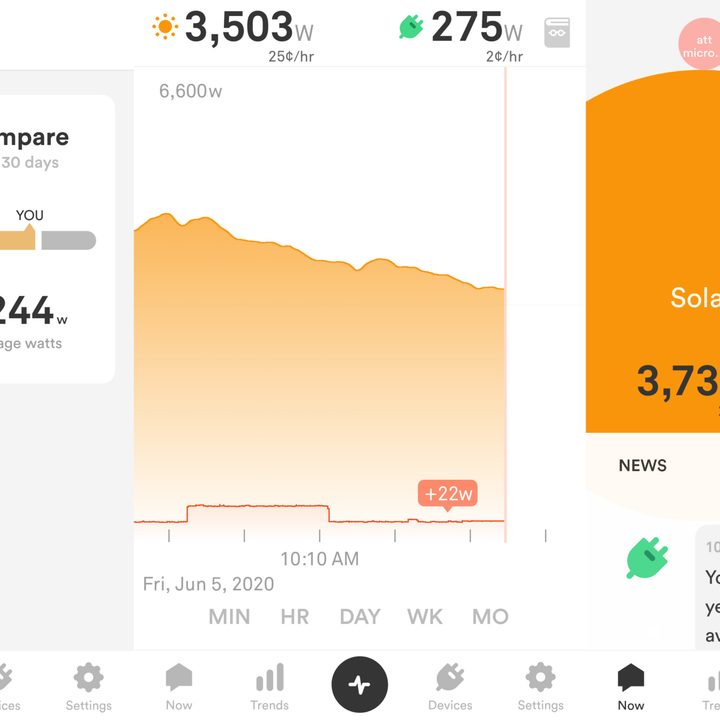
That data also helps Sense understand how the average home is using power. For example, Sense noticed this past spring that energy consumption shot way up right around the time that working from home became so common. In fact, the data shows daily electricity demand increased by 22% from March 10 to April 10, versus the same period from the prior year.
Once summer comes in full swing, cooling your house is going to suck up a lot of your energy. Sense, and other devices like it, will give you a good idea about what’s using power in your home. When it comes to saving power throughout the summer months, that’s when a true smart home can start saving you some coin.
Rounding out the smart home
Now that you know what’s going on in your home, your smart home can help by automating processes and giving you even more data to work with. Smart thermostats, smart lights, and smart plugs help you optimize your energy usage. Here are a few ways your smart home can be smarter.
Keeping cool smarter
A smart thermostat, like Nest or Ecobee, is a great way to stay on top of your energy consumption. You can set times for when your house needs to be cooled, plus times you know you’ll be away. If you leave your home and forget to turn up the thermostat (there’s no reason to keep an empty house cool), you can control your thermostat with an app. Plus, some thermostats will actually do this by themselves. When they see no one is home, they’ll switch to an energy-friendly mode to help save you some more power.
Stop the vampire power eaters
These days, our houses are filled with electric energy vampires. These are devices that use a relatively small amount of electricity, but they use it constantly. It adds up over time. Electric vampires are devices like chargers, coffee pots, set-top boxes, TVs, and pretty much anything with a standby mode. Standby modes are lower power consumption modes, but they do consume power. A smart power strip can help reduce the amount of energy they use by shutting off outlets when they’re not in use.
Let the sun shine in
The sun is a wonderful way to light your home, and smart blinds can help you automate that. What’s more, you can install brand new smart blinds, or often, you can retrofit your existing blinds. You control them with an app, a voice assistant, or just let them do the work — opening when the sun comes up and closing when night falls. It’s a super-easy way to save on indoor lighting during the months when the days are long.
Light it up!
As mentioned, Sense integrates with Philips Hue and other smart lighting, allowing you to control your lights from anywhere and monitor their energy usage. Better yet, a smart lighting system allows you to automate when your lights turn on and off so they’re only on when needed.
Smart homes are smart money
Smart homes are an evolving category that is designed to be helpful under almost any circumstances. The combination of convenience and automation can go a long way to providing relief on those electric bills when the summer is at its hottest. Nest, and especially Sense, can arm you with the information you need to know how to manage your energy consumption.
At the end of the day, the data is what will help you get through the summer. Once you know what’s happening in your home, you can take confident steps forward to correct any deficiencies. Smart home tech helps you fill in the gaps. That, above all will make your smart home an energy-saving home as well.