1. Home
  2. Computing
  3. News

Future MacBooks could have wireless charging built into their palm rests

Add as a preferred source on Google
 

Apple could be playing with the idea of including wireless reverse charging on its products, according to new patents spotted by Patently Apple. The patents suggest the use of two-way charging coils in places like the trackpad, palm rest, as well as rear casing of MacBook laptops.

Recommended Videos

As seen below, the diagrams in the patent suggest that Apple is considering what Samsung has already accomplished with the wireless QI charging in the trackpad of the Galaxy Book Flex. You can see an iPhone, as well as an Apple Watch, sitting on the palm rest of the MacBook in spots where there appear to be inductive charging coils. A secondary diagram also shows the rear casing of an iPad, with the Apple Watch and an iPhone receiving charging, too. So there remains the possibility that this isn’t something that is just for MacBooks.

The patents come from two separate filings at the United States Patent and Trademark Office. Both are titled “Inductive charging between electronic devices.” In typical language, Apple explains that the patent is for “an electronic device and methods for inductively charging an electronic device using another external electronic device.”

Apple also describes the common problem of using cables and external power to charge, especially when traveling. This is inconvenient, according to Apple. “For example, some devices may be charged using a universal serial bus (“USB”) connector or cable. However, despite having standardized connectors and cable, each device may require a separate or dedicated power supply to charge. In some cases, having separate power supplies for each device may be burdensome to use, store, and/or transport,” reads the patent.

Patents don’t always end up becoming final products, so there’s the possibility that this may never come to life, but it is something that Samsung has managed to do. The Galaxy Book Flex has a QI charger in the trackpad, and select Galaxy phones also have a “Wireless PowersShare” feature which lets you charge other devices like earbuds by tapping them to the rear of the phone.

While all iPhones from the iPhone 8 onward have Wireless QI charging support (and the iPhone 12 lineup, Magsafe), you can’t “share” the power to charge your other devices. FCC filings, though, reveal that the new iPhone 12 might have a hidden, unactivated feature that allows for reverse wireless charging for other devices like AirPods or the Apple Watch, just like the Galaxy phones.

Arif Bacchus
Arif Bacchus is a native New Yorker and a fan of all things technology. Arif works as a freelance writer at Digital Trends…
South Korea wants to give every citizen free, unlimited access to its own AI chatbot
The government-backed service could turn generative AI into public infrastructure instead of another monthly subscription
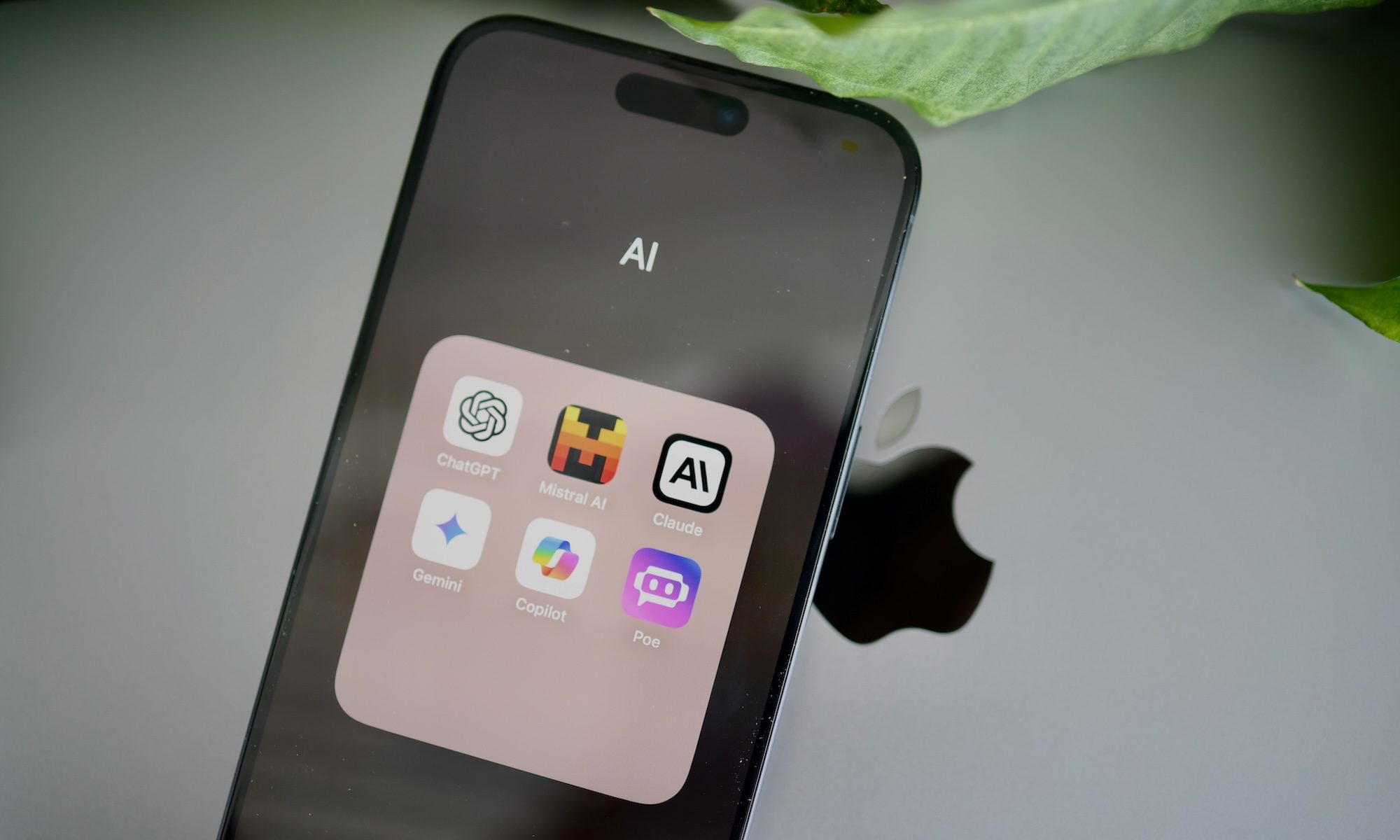
Electronics, Mobile Phone, Phone

South Korea wants to give every citizen free access to an AI chatbot with no usage limits. That puts the technology closer to a public utility than another premium service demanding a monthly subscription.

The Ministry of Science and ICT announced the AI for Everyone project on July 13. Private companies will build the platform around locally developed models, while a separate AI agent will help people navigate government services. It’s a more practical job than generating emails or settling arguments nobody wanted to research themselves.

Read more
Falling in love with a chatbot is now off limits for kids in China
The crackdown targets emotional AI relationships as regulators worry about the country's record low birthrate.
Replika AI companion app on an iPhone in hand

Ever since AI chatbots arrived on the scene, there has been one aspect that has worried lawmakers and experts a lot: humans forming emotional connections with chatbots. There have been plenty of cases where over-reliance on these AI companions or partners has resulted in medical emergencies, lost lives, and triggered multiple lawsuits against the likes of OpenAI and Meta.

China cracks down on AI companion apps

Read more
Russian hackers keep finding their way into critical networks through neglected routers
A multinational warning says outdated firmware, weak passwords, and insecure settings are giving state-backed attackers an easy opening
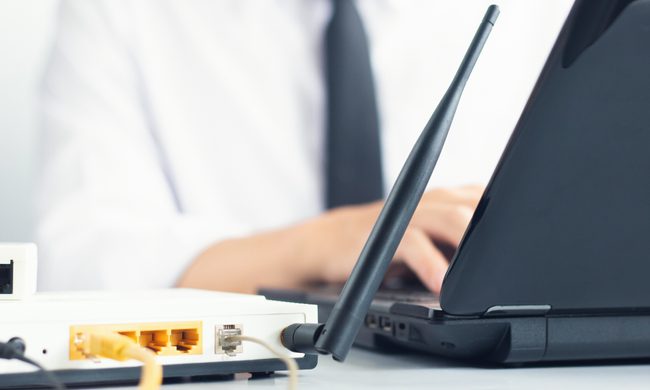
A Wi-Fi router next to a laptop.

Russian state-backed hackers have spent more than a decade exploiting a stubborn weakness in critical infrastructure networks. Organizations are still leaving poorly configured and outdated routers exposed to the internet.

In a joint cybersecurity advisory, the NSA, CISA, FBI, and international partners warn that hackers linked to Center 16 of Russia’s Federal Security Service are continuing to target vulnerable networking equipment. Energy, healthcare, and government networks are among the sectors facing the highest risk.

Read more