1. Home
  2. Emerging Tech
  3. Legacy Archives

AT&T and OpenPeak Partner on Atom-Powered 3G Tablet

Add as a preferred source on Google

Last month at the Mobile World Congress in Barcelona, OpenPeak took the wraps off its OpenTablet 7, a 7-inch color tablet computing device based on Intel’s “Moorestown” Atom processor. Now, AT&T has announced plans to bring a device based on the OpenTablet to the U.S. market later this year—and it’ll feature not only Bluetooth and Wi-Fi connectivity, but 3G service from AT&T as well.
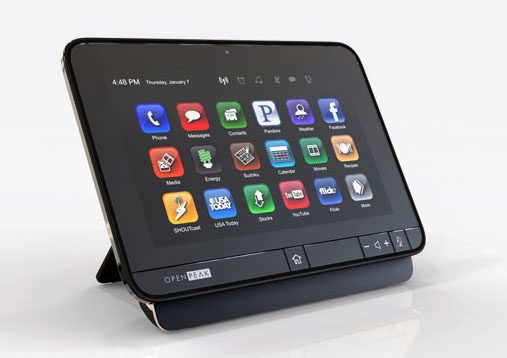
Image used with permission by copyright holder

“OpenTablet is an exciting multipurpose device with all the benefits and flexibility of a wirelessly connected personal computing and entertainment device,” said AT&T’s president for emerging devices, resale, and partnerships Glenn Lurie, in a statement. “When you combine the capabilities of OpenTablet with AT&T’s 3G mobile broadband service and AT&T Wi-Fi service, we’re able to provide consumers wireless access to content they most desire, right at their fingertips.”

Recommended Videos

The AT&T device will feature Intel’s Atom chipset, the 7-inch TFT LED-backlit display, microSD storage, USB connectivity, and HDMI output for connecting up to a HDTV. AT&T envisions the device as a general purpose gadget for keeping up with social networking services, reading books, enjoying music and video, sharing photos, and even monitoring home security systems and acting as a dashboard for a home.

OpenPeak’s OpenTablet isn’t exactly “open” on the developer side: it doesn’t run Windows or even a Linux distribution, but instead uses an Adobe Flash runtime environment. However, there will be an OpenPeak App Shop where users can buy applications for the OpenTablet developed using Adobe Flash CS4…and the store will provide ways for developers to get updated apps and content to their customers.

AT&T hasn’t announced any pricing, but expects the OpenTablet-based device to get on the market in time for the end-of-year holiday buying season.

Image used with permission by copyright holder
Geoff Duncan
Former Contributor
Geoff Duncan writes, programs, edits, plays music, and delights in making software misbehave. He's probably the only member…
Google just canceled its AI Studio mobile app, and it’s not all bad news
Logo, Symbol, Disk

Google AI Studio was on track to make its way to Android and iPhone, giving developers and AI enthusiasts a dedicated place to build prompts and experiment with Google's latest models from their phones.

That's no longer happening. In a post shared by the official Google AI Studio account on X, Google confirmed that it's canceling the standalone AI Studio mobile app before launch. The announcement comes despite the company saying nearly 800,000 people had already pre-ordered the app across iOS and Android.

Read more
Google Earth’s AI misadventure lasted only a day. It was a tale of dangerous ignorance.
Nuclear reactors, tanks, and historical destruction on a life-like satellite map? Yeah, that's bad.
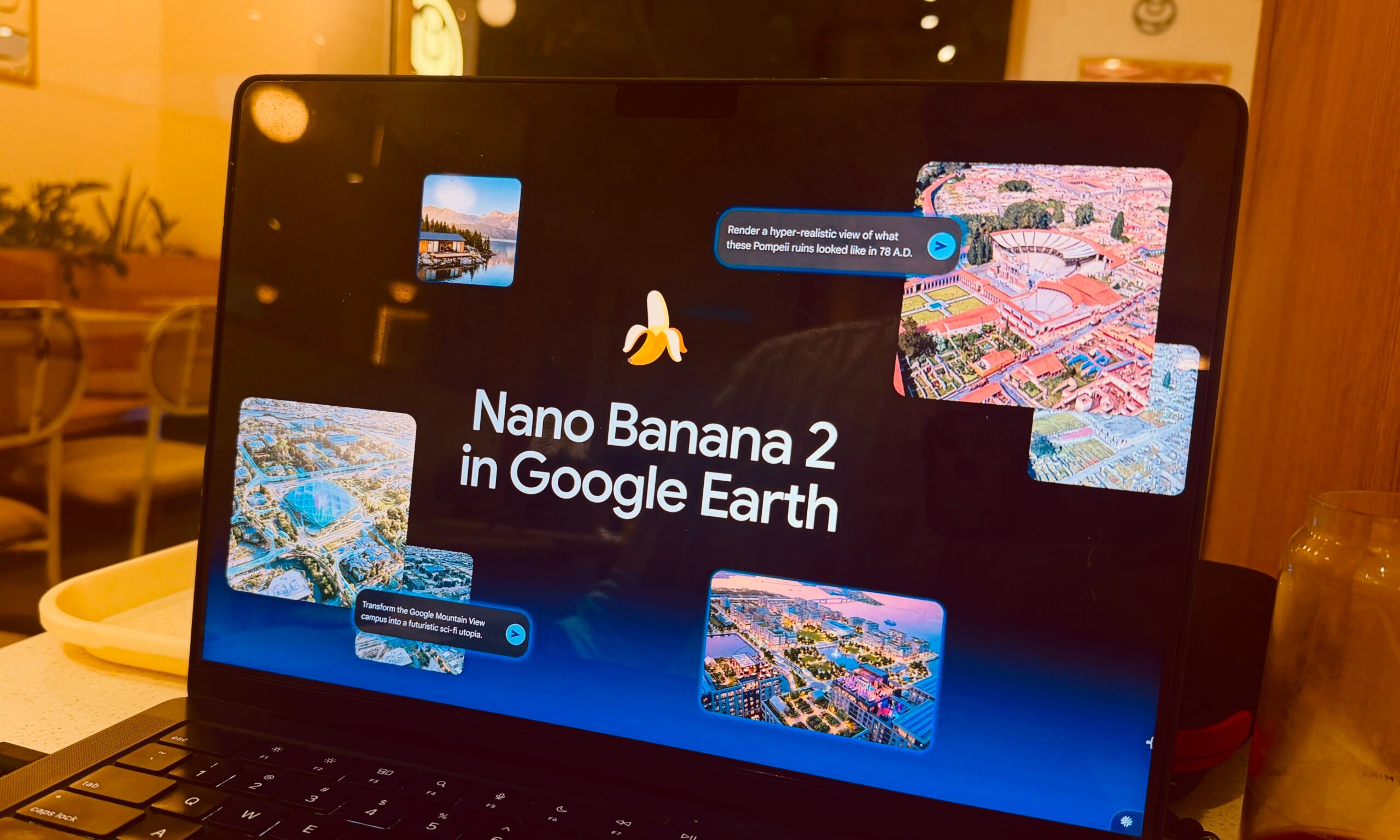
Nano Banana AI image generator representation.

Technology behemoths are clearly not reading the room, or they are just moving faster than they should when it comes to AI deployment. Google has already stuffed its Gemini AI in every corner of its software stack, from Android to daily productivity tools like Gmail that are used by hundreds of millions of users every day. AI is everywhere. Not all of it is bad, mind you. But in a few places, it just feels forced.

In its latest AI-fication experiment, the company targeted Google Earth. The idea was to let the audience use its Nano Banana 2 AI image generator and make images that can be placed on the map view. On paper, it's a cool idea. What would the Colosseum of Rome look like in your urban neighborhood? Yeah, fun stuff like that.

Read more
Google’s new AI gives robots better balance, smarter hands, and teamwork capabilities
Google just made robots a lot less clumsy and a lot more helpful.
Gemini robotics 2.0

Google DeepMind just brought sci-fi robots closer to reality, and it is very exciting. Building on its original Gemini Robotics model, the company has introduced Gemini Robotics 2, an AI system designed to help robots think, move, and even work together. Unlike most robots today, which rely on pre-programmed routines or someone controlling them remotely, this new system lets robots figure things out on their own when situations get unpredictable.

Can robots finally handle whole-body tasks?

Read more