1. Home
  2. Computing
  3. Gaming
  4. News

Nvidia to finally bolster production of RTX 30-series GPUs to counter shortage

Add as a preferred source on Google

Nvidia is reportedly limiting the production of RTX 2060 graphics cards in order to bolster RTX 30-series production. The company issued a notice to board partners that it will cut the supply of RTX 2060 chips by half in June in order to divert production resources to the highly sought-after RTX 30-series cards, which could help alleviate the GPU shortage.

Chinese outlet ITHome discovered a few posts on the closed Board Channels forum that detail Nvidia’s plans. This forum is closed to the general public and focuses on distributors and board partners.
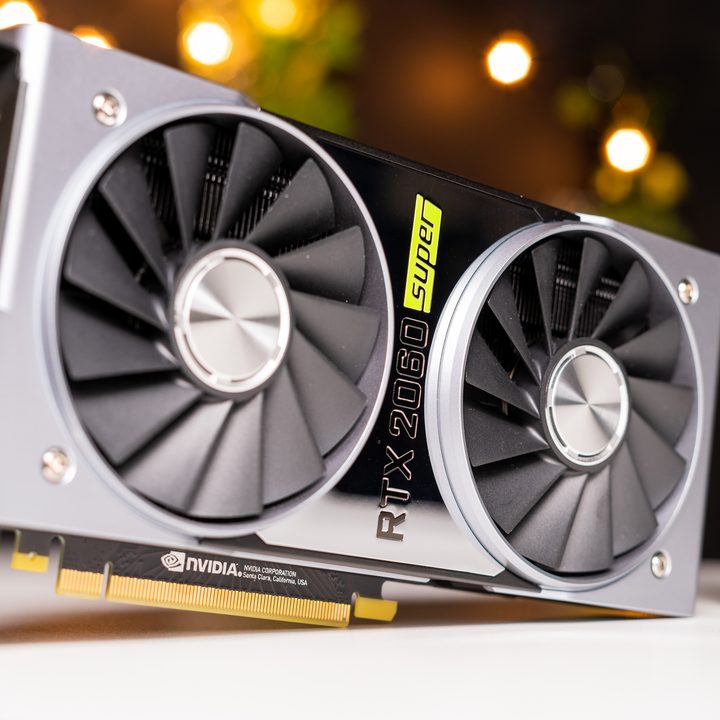
Nvidia RTX 2060 Super and RTX 2070 Super review
Dan Baker/Digital Trends

Since the start of the GPU shortage, the RTX 2060 has been a popular choice. The card was one of the few options that was in stock at the start of the shortage, and although it’s significantly less powerful than the RTX 3060, it still delivers RTX features like ray tracing and DLSS at a reasonable price. Nvidia increased production of these cards to combat the shortage, but they’ve been consistently out of stock for many months now.

Recommended Videos

The shift in strategy may look like too little, too late, but it’s actually a proactive move for Nvidia. There are many factors contributing to the GPU shortage, but a big one is demand from cryptocurrency miners. The prices of popular coins like Ethereum and Bitcoin have seen steep declines over the past couple of months, which could ease some of the pressure on GPU supply. Nvidia also recently introduced Lite Hash Rate (LHR) GPU cores to its RTX 30-series cards that limit the Ethereum hash rate.

Nvidia’s push for more production of its latest cards could mean that the company sees a way out of the GPU shortage. Although executives from Intel and IBM say that the global semiconductor shortage will drag on for at least another year, lower demand from miners and recovering supply chains could help Nvidia deliver more graphics cards to gamers.

Although this news indicates that more supply is coming down the pike, it doesn’t mean that graphics card prices will go down. GPUs coming out of China are still subject to high tariffs in the U.S., and recent reports suggest the price of the DRAM modules, which are critical to graphics cards, will increase over the next few months.


Jacob Roach
Former Lead Reporter, PC Hardware
Jacob Roach is the lead reporter for PC hardware at Digital Trends. In addition to covering the latest PC components, from…
Gemini Notebook’s new Collections arrive just as Google turns it into a bigger workspace
Google is cleaning up notebook organization as the former NotebookLM expands across Gemini and Search
Gemini Notebook branding on a MacBook

Google has barely finished renaming NotebookLM, and it’s already addressing one of the headaches that comes with building a large research library.

Collections are rolling out to all Gemini Notebook users, giving them a way to group related notebooks while keeping everything visible under My Notebooks. The dashboard gets some structure without asking users to rearrange the library they’ve already built.

Read more
Samsung’s humanoid robot ambitions are real, but factories come first
Samsung’s new robotics division has humanoids in its sights, although its immediate business is far more practical factory automation
Robot Touch Human Finger

Samsung wants a place in the humanoid race, but its new robotics push begins with machines built for factories rather than homes.

The CEO-led RX robotics division will initially focus on manufacturing robots. Samsung has separately identified humanoids as a priority, although it hasn’t announced a commercial model or explained where one fits into the division’s immediate plans.

Read more
WhatsApp’s Liquid Glass redesign is finally coming to Mac after months of waiting
WhatsApp's Mac app is getting Apple's Liquid Glass-inspired makeover
WhatsApp

WhatsApp has been steadily adopting Apple's new design language across its apps, but Mac users have largely been left watching from the sidelines. That is finally beginning to change.

The messaging platform has started rolling out its Liquid Glass redesign for the WhatsApp Mac app, bringing the desktop experience much closer to what iPhone and iPad users have been seeing over the past few months. The update introduces a refreshed interface with redesigned navigation elements, updated menus, and a cleaner layout that aligns with Apple's latest software aesthetic. According to WABetaInfo, the rollout has begun through the latest Mac App Store update and is currently reaching a limited number of users.

Read more