  1. Home
  2. Computing
  3. News

Here’s why Windows 11 will probably be a free upgrade from Windows 10

Add as a preferred source on Google

You probably heard by now, but Windows 11 is coming. It was originally supposed to be revealed during Microsoft’s June 24 “what’s next for Windows” event, but the secret was leaked early. You can now install an unofficial preview version of it if you want, though we would not recommend doing so.

That means there are all kinds of questions about the cost of Windows 11, and how you can end up getting it once things become official. We’re here to help, with a look at why we think Windows 11 will probably be a free upgrade.
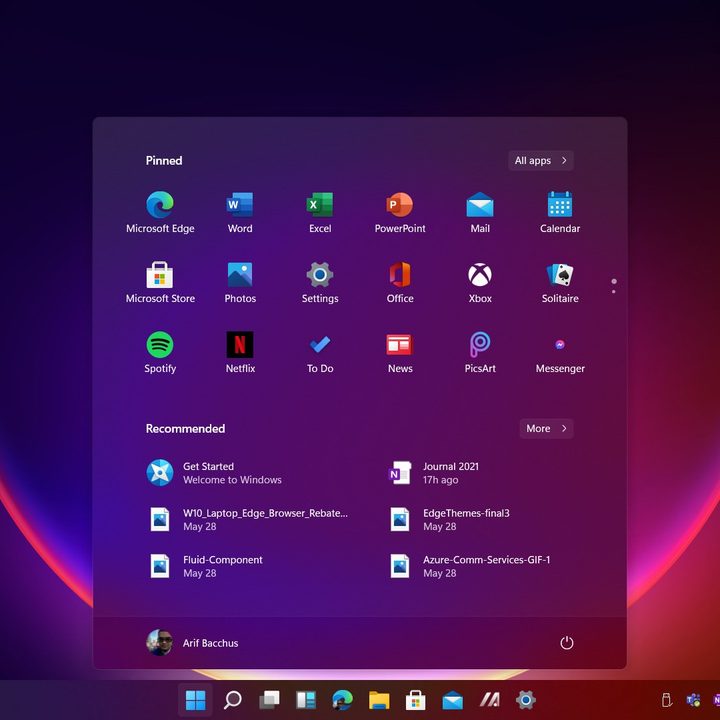
The new centered Windows 10 Start Menu with a red and black background.
Arif Bacchus/Digital Trends

The answer to that question is in the numbers. Microsoft last reported that Windows 10 runs on 1.3 billion devices around the world. That’s a lot of PCs, and if Microsoft were to open up an option for Windows 10 users to “upgrade” to Windows 11 for free, then there are chances of more people using it.

Recommended Videos

There’s plenty of reason why they might want to do this too. Remember when Windows 10 was a free upgrade for Windows 8 and Windows 7? Microsoft wanted to push people to a newer operating system, at no extra cost. Yet, they also wanted to slowly phase out older versions of Windows, but keep it in place for those who need it.

We’re already seeing pieces of that put into play. An updated support page mentioned that support for Windows 10 will end in 2025, right in line with Microsoft’s 10-year Windows support cycle.

But there’s more evidence to suggest that Windows 11 will in fact be free. Those brave enough to install the leaked Windows 11 build were able to use it on existing Windows 10 PCs, without the need for a product key. The leaked ISO file for the build lets you “upgrade” Windows 10 to Windows 11, just like you could from Windows 8 to Windows 10.

Now, this is an unofficial release, so that could just be a coincidence. However, some coding in the configuration files even suggests Windows 7, 8, and 8.1 users will be able to upgrade at no cost.

The final piece of the puzzle has to do with “Windows as a service.” As you know, Microsoft offers twice a year updates to Windows 10. Recently, Microsoft started playing with “featured experience packs” that bundle in features separate from the Windows operating system. If Microsoft really wanted to make Windows 11 free for Windows 10 users, then it could also come as an optional featured experience pack, too.

This is all speculation for now. We’ll have to wait and find out more on June 24 when Microsoft is set to officially reveal the next version of Windows.

Arif Bacchus
Arif Bacchus is a native New Yorker and a fan of all things technology. Arif works as a freelance writer at Digital Trends…
Meta’s detection tool fails to identify photos generated by its own Muse Image AI
Meta has created an invisible watermarking tool called Content Seal that is embedded in all images generated by the Muse Image AI.
Meta AI identification tool.

Earlier this week, Meta announced two new AI products, namely, Muse Image and Muse Video. As the name suggests, these are generative AI tools for making photos and video clips using natural language text prompts. Soon after their rollout commenced, these tools sparked controversy because Meta had automatically opted in Instagram users, allowing others to use their publicly posted media and convert them into remixed AI content. But it appears that Meta courted another loss on its side of the court.

What's the problem?

Read more
Your Google AI Studio apps can finally have polished, presentable web links
AI Studio web apps can now use personalized subdomains
google ai studio logos

Google AI Studio has made building a web app surprisingly easy. You can describe what you want, refine the design through prompts, and publish the result without setting up a traditional development environment. An awkward point of friction comes after deployment, when the finished app still has to live behind a long, forgettable Cloud Run link.

Google is now cleaning up that final step. AI Studio lets you assign a deployed web app a personalized address under the “ai.studio” domain, such as “your-app-name.ai.studio.” A recognizable URL should make the project look more presentable in a portfolio, client demo, social post, or internal project page.

Read more
You can now check if a Google ad was made using AI
Google will auto-label its own AI ads, but third-party AI ads still rely on advertisers to come clean.
google-ads-ai-label

Ever looked at an ad and wondered if a real person made it or if it was AI generated in seconds? Google is now giving you a way to find out.

The company just announced a new AI transparency label that tells you whether an ad was created or edited using generative AI tools. The label lives inside Google's My Ad Center, and it is rolling out across Google Search, YouTube, and Discover globally.

Read more