  1. Home
  2. Emerging Tech
  3. Mobile
  4. Legacy Archives

HP Completes Palm Takeover, Promises webOS Products

Add as a preferred source on Google
Image used with permission by copyright holder

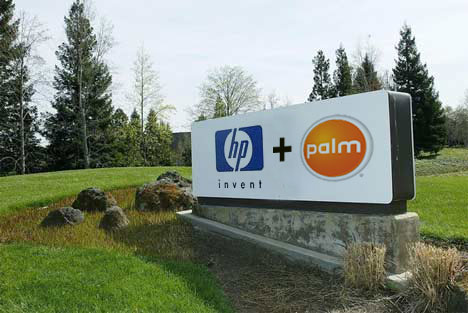
Hewlett-Packard—which is currently the world’s top PC maker—has announced that it has completed its $1.2 billion acquisition of Palm, meaning the smartphone maker is now part of one of the largest technology companies on the planet. Now that the takeover is complete, former Palm CEO Jon Rubinstein will head up HP’s Palm business unit and report to HP’s Personal Systems Group executive VP Todd Bradley, and be responsible for developing both the webOS software but also webOS-based hardware products, including smartphones but also netbooks and “slate PCs.”

“With HP’s full backing and global strengths, I’m confident that webOS will be able to reach its full potential,” Rubinstein said in a statement. “This agreement will accelerate the development of this incredible platform with new resources, scale and support from a world-respected brand.”

Recommended Videos

HP has said it plans to increase the $190 million Palm spends on research and development each year in order to leverage Palm’s webOS into other platforms. HP CEO Mark Hurd said in an investors’ conference call in May that the company is also looking at webOS for HP’s Web-connected printers that enable users to print important items—like maps and tickets—from smartphones and other Internet-connected mobile devices without needing a PC.

HP has not announced any specific webOS products or any timeframe for bringing webOS products to market. Back in January, Microsoft’s Steve Ballmer famously demonstrated the HP Slate—a tablet-based PC running Windows 7—at the Consumer Electronics Show in Las Vegas, in a move to establish the the Windows ecosystem had an answer to the Apple iPad. HP has since released promotional materials about the HP Slate, but the product has not shipped and reports have the company dropping Windows 7 from the product.

Geoff Duncan
Former Contributor
Geoff Duncan writes, programs, edits, plays music, and delights in making software misbehave. He's probably the only member…
AI can turn a cloud of scuba bubbles into an early warning for divers
An underwater robot can estimate breathing rates from video, although the research stops short of proving that it can diagnose stress or distress
Nature, Outdoors, Water, Scuba

University of Minnesota researchers have taught an AI underwater robot to estimate a diver’s breathing rate by watching the bubbles released with each exhalation.

The contactless system, detailed in a peer-reviewed study published in The International Journal of Robotics Research, works with ordinary camera footage. Divers don’t need to squeeze another sensor into an equipment loadout that is hardly lacking for accessories.

Read more
Microsoft wants AI to catch hackers before they even attack
Red team, blue team, green team: Microsoft just gave its AI a full security squad.
Microsoft Project Perception

With AI now capable of writing exploits and running attacks at machine speed, the security tools built for a slower, human-paced world are starting to show their age. Microsoft thinks it has the answer, and it's calling it Project Perception.

So what exactly is Project Perception?

Read more
Nike’s new slide is basically a spa day for your feet
Nike and Hyperice built a slide that literally heats up and vibrates your feet back to life.
nike-air-zoom-hyperslide

Nike just teamed up with Hyperice again, and this time they've built something that feels more like a wellness gadget than a shoe. Meet the Nike Air Zoom Hyperslide, a slide that not only cushions your feet but also heats and vibrates them back to life. It's made less for lounging by the pool and more for helping you recover after training, travel, or just a long day spent standing around.

What is the Nike Hyperslide?

Read more