1. Home
  2. Computing
  3. Evergreens

How to uninstall apps from Windows 11

Add as a preferred source on Google

You don’t need to keep every app you install or any app that comes pre-installed on Windows 11. You can uninstall any program in Windows 11 if you no longer need it. It could be something you downloaded from the internet or one of the default apps in the OS.

Just like Windows 10, removing programs and apps in Windows 11 is quite an easy task. You can do so in more ways than one, so that’s why we’ve put together this handy guide.

Recommended Videos

From the Start menu

Removing a windows 11 app from the start menu.
Image used with permission by copyright holder

The easiest way to uninstall an app from Windows 11 is directly from the Start menu. Before starting, make sure the software isn’t running. You can force close a Windows 11 app if necessary.

Step 1: Open the Start menu, and then choose All Apps.

Step 2: Right-click on the program you want to remove and choose Uninstall.

If the program is an app that you downloaded from the Microsoft Store, then the process of removing it will start automatically in the background. After a few minutes, it will disappear from your list and will no longer be found on your system.

In the event that the app you want to remove is a Win32 program (like Google Chrome,) then you’ll be redirected to the Programs and Features section of the Control Panel. From there, you’ll have to right-click the program name and then choose Uninstall to remove it. Follow any directions on your screen, and then the app will be gone.

From the settings app

Removing a Windows 11 app from the settings.
Image used with permission by copyright holder

Even the best Windows apps can cause problems. Having trouble with right-clicking to uninstall apps in the Start menu? Just visit the Windows 11 Settings app.

Step 1: Access the Settings menu by pressing the Windows Key + I keyboard shortcut.

Step 2: Click the Apps button in the sidebar.

Step 3: You should see an option for Apps & Features. Click it, and then choose the downward-facing dots next to any app on the list, followed by the Uninstall button. Follow any directions or prompts on your screen, and the app will be removed from your system.

From the Control Panel

Removing an app from the windows 11 control panel.
Image used with permission by copyright holder

Our final way of uninstalling programs on Windows 11 involves a look at the Control Panel.

Step 1: Search for Control Panel on the Start menu and then click to open the app when you see it.

Step 2: Under the Programs section, choose to Uninstall a Program. 

Step 3: From there, look for your program on the list, right-click it, and then choose Uninstall.

Other tips

Though it’s not required in most instances, once you remove an app or program from Windows 11, it’s best to restart your system. Once you restart, you’ll be able to ensure that your system is permanently freed of the apps or programs you no longer need.

If you’re still seeing the program on the list or anywhere on your system, then it’s likely something went wrong during the uninstall process. Try removing it again using one of the methods we mentioned above. If all else fails, contact support for the app you’re having issues with, and there could be a solution there.

Still have problems? Consider resetting Windows 11 to factory settings.

Arif Bacchus
Arif Bacchus is a native New Yorker and a fan of all things technology. Arif works as a freelance writer at Digital Trends…
Shopping for back-to-school? These are the budget laptops I’d actually recommend
From a $359 Chromebook to the cheapest way into macOS, these are the budget picks worth your money.
Computer, Electronics, Laptop

The back-to-school season often turns into a laptop, especially the budget ones that aren't too heavy on your wallet. Due to the ongoing memory crisis, most manufacturers have already bumped up their laptop prices, including Apple. However, that doesn't mean that I won't help you get a new machine. So, for this one, I spent time digging through spec sheets, customer ratings, and price tags, finding devices that don't just look cheap in an Amazon listing, but actually hold up. 

From a flexible touchscreen Chromebook to the least expensive way into macOS, these six laptops balance price and performance well. I'd hand any one of them to a student heading back to campus this fall, depending on what they need and what their priorities are. 

Read more
Asus’ latest Zenbook puts a seriously bright OLED screen inside an impossibly slim body
The Zenbook 14 Air is only 11mm thick but still packs a 77Wh battery
Computer, Electronics, Laptop

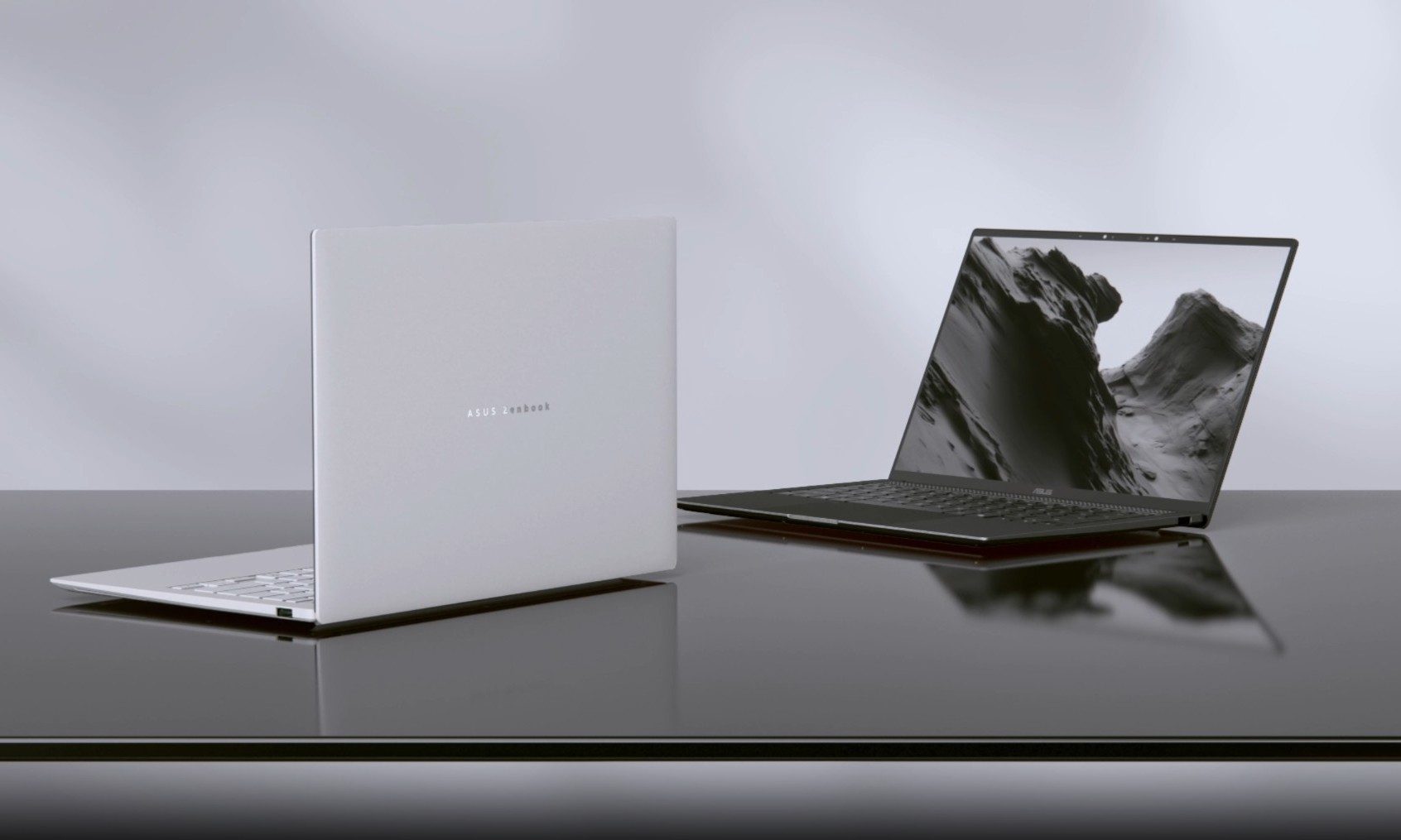
Asus has introduced a new AMD-powered version of the Zenbook 14 Air 2026, combining a bright OLED display and a large battery inside an 11mm-thick chassis. It weighs 1.19kg, keeping it firmly in ultraportable territory despite the 77Wh battery inside.

The Zenbook 14 Air 2026 itself is not entirely new. Asus launched an Intel configuration powered by the Core Ultra 9 386H in China back in January. The latest version switches to AMD’s Ryzen AI 7 H 445 and is priced at CNY 9,999, or around $1,477. (via Notebookcheck)

Read more
Before you blow your student budget, here’s the MacBook that actually suits your major
Confused by the MacBook lineup? I sorted it out so students don't have to
Computer, Electronics, Laptop

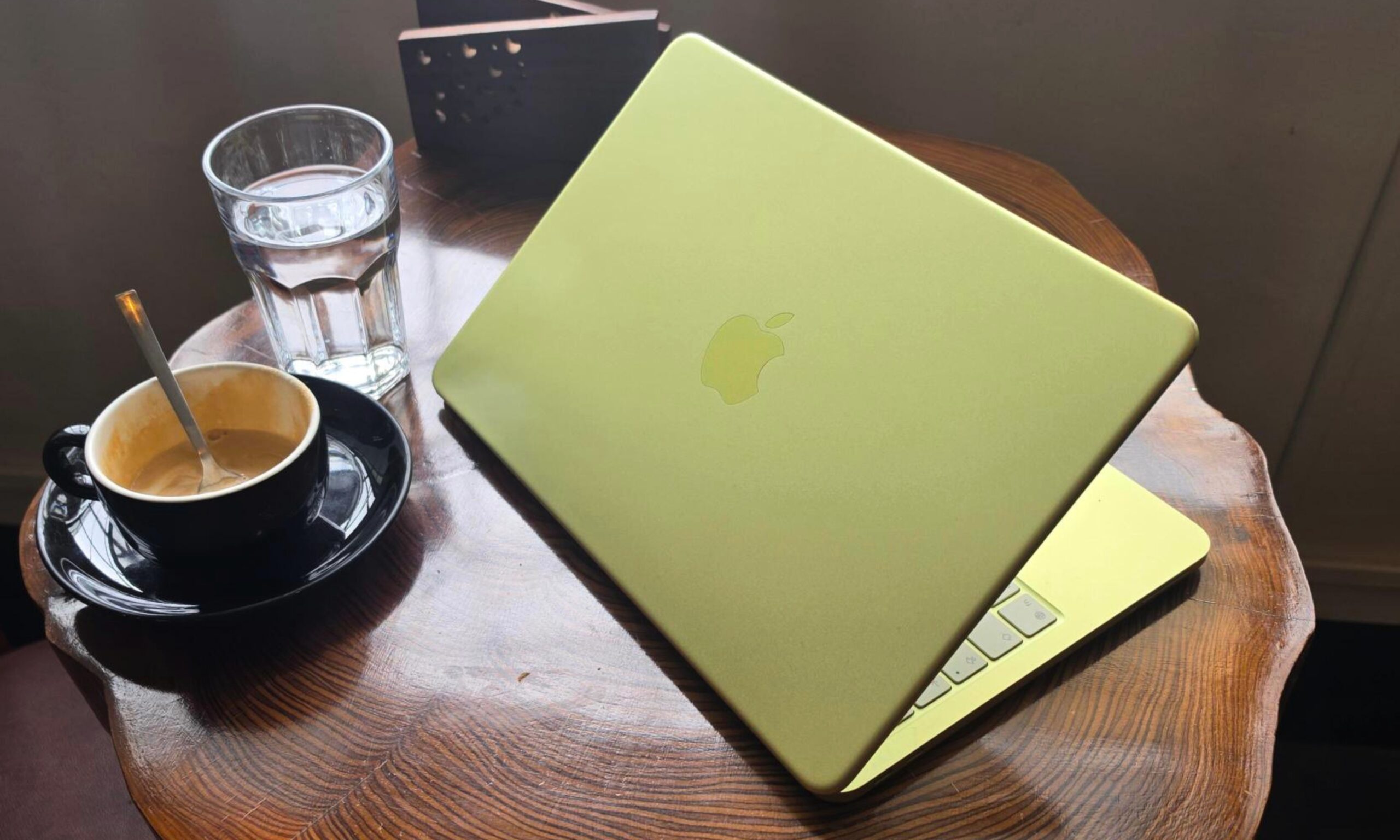
Apple’s MacBook lineup has become much broader in 2026. The MacBook Neo brings the entry price down considerably, the M5 MacBook Air remains the obvious all-rounder, and the MacBook Pro covers students whose coursework can push a laptop to its limits.

But with a wide range, choosing one becomes harder. Spending more can bring a better display, faster storage, additional ports, and considerably greater performance. However, plenty of students will never take advantage of those upgrades. So, I have narrowed the current lineup down to three models, each aimed at a distinct kind of buyer.

Read more