1. Home
  2. Phones
  3. Android
  4. Mobile
  5. News

The Pixel 6’s wireless charging speeds reportedly go up to 23 watts

Add as a preferred source on Google

Google’s next generation of Pixels is coming with even faster wireless charging speeds than what current models offer. As proof, a new report from Android Police claims that Google is planning a Google Pixel 23-watt WL Stand for the Pixel 6 and Pixel 6 Pro.

Alongside the Pixel phones, Google regularly debuts accessories such as cases and wireless charging stands. The Pixel 6 is likely not bucking that trend, as the report, which cites a retail source, notes. The retail source works for a carrier that has already begun to input support for the new accessories as the launch date approaches. The accessories include the Google Pixel 23W WL Stand and a Demo Google Pixel 23W WL Stand, the latter of which is likely for showcasing the phones in stores.

Recommended Videos

This would represent a substantial jump for the Pixel’s wireless charging speeds. Google has also supported up to 10W charging speeds in the Pixel 4 and Pixel 5 via its Pixel stand. A 23W speed would be over double that amount. This would also be a bit more than the Pixel’s current 18W wired charging speed — one that has always fallen short of the 25W, 33W, or even 60W you could find on rivals from Samsung, OnePlus, and Huawei.

Google is also rumored to be increasing the Pixel 6’s wired speed up to 33W. This rumor comes from a report by 91 Mobiles citing testing going on in the company’s headquarters. Of course, with Google going the same way as Apple and Samsung and leaving chargers out of the box, you’ll need to buy a faster charger to take advantage of the increased speeds. If you’re upgrading from a Pixel 5 or earlier, your charger would be capped at 18W, as already mentioned. At least the option for more, unlike before, is now present.

Speedy charging is a benefit offered by most phones. Even as batteries balloon and last longer, charging time on regular chargers would be sure to drag out. By implementing fast charging support, phone makers are able to offer larger batteries while also shortening charging times. While some people have speculated that these increased speeds could damage batteries, advancements in battery and USB power delivery technology make it likely that your battery will be able to survive the full lifetime of your phone.

Michael Allison
Former Mobile News Writer
A UK-based tech journalist for Digital Trends, helping keep track and make sense of the fast-paced world of tech with a…
Geekbench now lets you check how a phone will actually handle your boring daily chores
New tests, smarter scores, and finally some love for NVIDIA GPUs.
Geekbench 7 open on iPhone

Geekbench, the popular cross-platform benchmark from Primate Labs, just got a major update. Geekbench 7 is out today, and you can download it on Android, iOS, Windows, macOS, and Linux. If you like to know exactly how your CPU and GPU stack up, this update brings a bunch of changes worth knowing about.

What's new in the CPU tests?

Read more
Latest Pixel 11 series leak offers the clearest look yet at Google’s next flagship
Google's next Pixel has leaked again, but this time almost nothing is left to imagine
Pixel 11

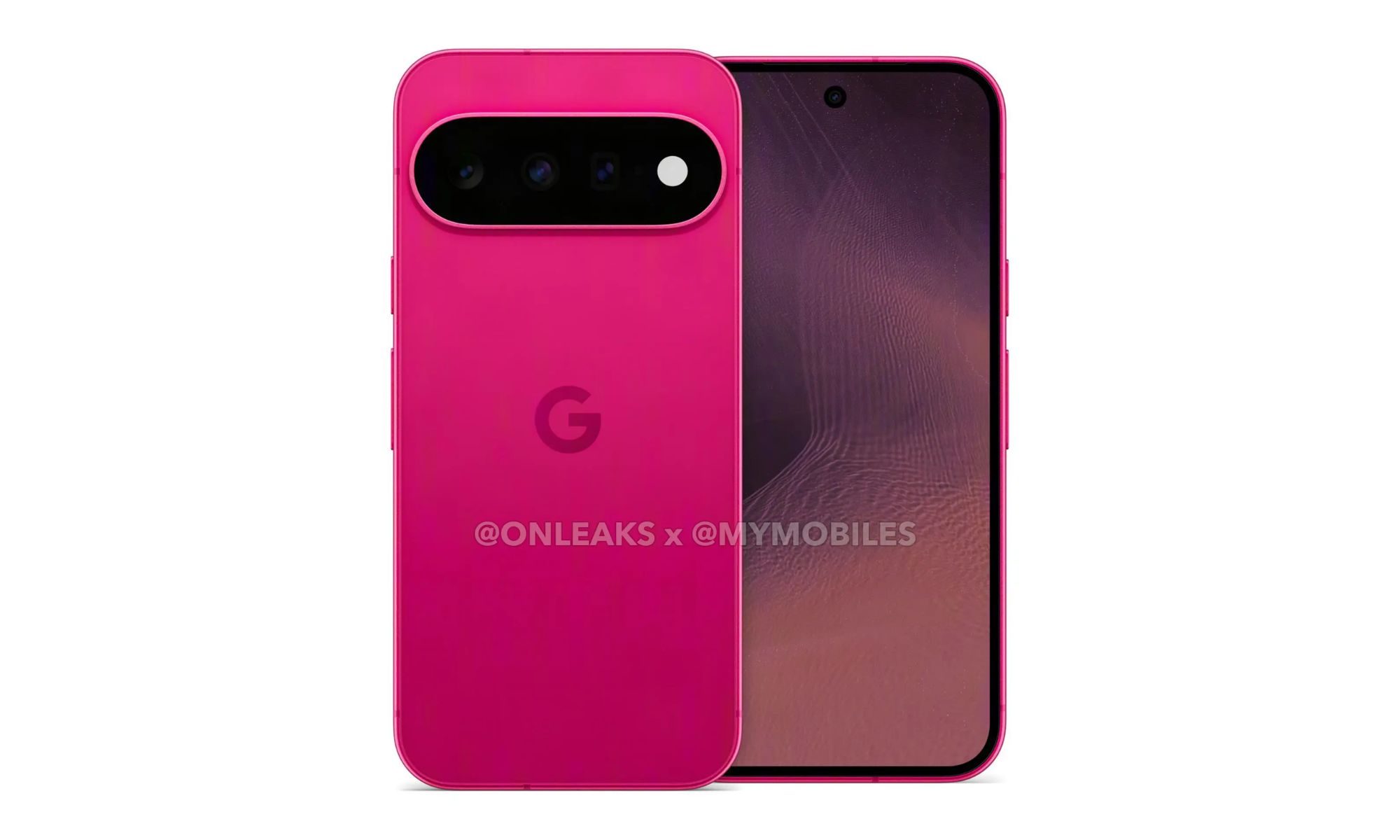
Google's Pixel launches have become increasingly difficult to keep under wraps, and the Pixel 11 series appears to be no exception. Weeks before Google's scheduled August 12 launch event, a fresh leak has revealed what is claimed to be the complete set of official press renders for the Pixel 11, Pixel 11 Pro and Pixel 11 Pro XL, showcasing every colour option across the lineup.

The renders, published by MyMobiles in collaboration with tipster OnLeaks, offer what is arguably the most comprehensive look yet at Google's next flagship family. If authentic, they not only confirm earlier design leaks but also reveal Google's colour strategy for 2026, including a vibrant Fuchsia finish for the standard model and a new copper-inspired "Dune" variant for the Pro series.

Read more
Galaxy Z Flip 8 vs. Motorola Razr Ultra (2026): Samsung’s flip phone is cheaper, but is it better?
One flip phone wins on value. The other wins on hardware.
Electronics, Phone, Mobile Phone

Flip phones have quietly become one of the most competitive corners of the smartphone market. It provides buyers with a satisfying folding snap, reducing the footprint to half the original size, and that’s the entire point. Motorola never really left the format after reviving the Razr name, while Samsung has spent generations treating the Flip line as its scrappy, budget-friendlier sibling to the Fold. 

This year, though, the gap between the two camps has narrowed to the point where picking a winner requires genuinely reading the spec sheet and learning about the phones before putting your money into one. One phone leans hard into raw display firepower, while the other leans into a deeper software ecosystem and a friendlier price tag. 

Read more