  1. Home
  2. Phones
  3. Mobile
  4. Features

How WhatsApp became the go-to messaging app for U.S. Latinos

Add as a preferred source on Google

WhatsApp is not the most popular instant messaging app in the United States, but it is the favorite among Latinos living in this country. Proof of this came during the COVID-19 pandemic when it became one of the main mechanisms to keep communication alive during the lockdown.

Hispanic Heritage Month 2020
To celebrate the contributions and influence of Hispanic Americans to the cultural, historical, and technological achievements of the United States, Digital Trends has put together this collection of exclusive features and in-depth reporting from our industry-leading Digital Trends Español team — translated for your convenience, of course. SEE MORE
Hispanic Heritage Month
Recommended Videos

What the data says

prykhodov/123rf

The confinement associated with COVID-19 pushed WhatsApp to surpass 2 billion users worldwide in 2020. These numbers also allowed it to consolidate its position as the third most-used social network in the world behind Facebook and YouTube.

Among messaging apps, it comfortably surpassed its sister company Facebook Messenger — both owned by Facebook Inc. — which is in second place with 1.3 billion users, and the Chinese WeChat, which is in third place with 1.25 billion, according to Statisa figures.

In the United States, the figures are reversed. According to the same consultancy, 87% of users of instant messaging and/or video applications regularly use Facebook. WhatsApp only comes in fifth place with 25%, behind Apple’s FaceTime (34%), Zoom (34%), and SnapChat (28%).

However, the figures change when it comes to Latinos in the United States: More than half of them (52%) use WhatsApp, surpassing other ethnic groups, such as those of African descent (17%), Asian origin (15%), or white (12%). The difference can be explained by the popularity of WhatsApp in Latin countries.

WhatsApp is so ubiquitous among American Latinos, the U.S. government used it to stimulate vaccination among the Latino population.

Why is WhatsApp so popular among Latinos?

In Latin American countries, practically everything is communicated through WhatsApp: Family news, meetings with friends, groups with co-workers, or from the university, everything happens through this platform. It is also one of the main channels of remote interaction that some companies and even, governments in the region have chosen.

This also makes it one of the most universal social networks. Although young people prefer apps like Instagram or TikTok, everyone is on WhatsApp, regardless of age or socioeconomic background.

Of course, it has its downsides — such as changes to its privacy policy or fake news chains — but simplicity of use is also one of its major advantages. You don’t need to open an account: All you need is a cell phone number.

One of the main reasons for its popularity in Latin America is that it was one of the first mechanisms available in the region to maintain instant communication 100 percent free of charge. This made it possible to avoid the text message (SMS) rates charged by mobile operators in Latin America. There, users were charged per message, unlike in the United States where the cost was integrated into cell phone plans. And since it also works with Wi-Fi, it even helps you avoid using cellular data.

These elements likely are what ended up becoming a barrier that prevented the mass exodus that threatened the platform in mid-2021 to platforms such as Telegram or Signal.

Victoria Montenegro Caspe
Former Digital Trends Contributor
Victoria is a professional English-Spanish translator, with more than seven years of experience. She has a university degree…
Latest Pixel 11 series leak offers the clearest look yet at Google’s next flagship
Google's next Pixel has leaked again, but this time almost nothing is left to imagine
Pixel 11

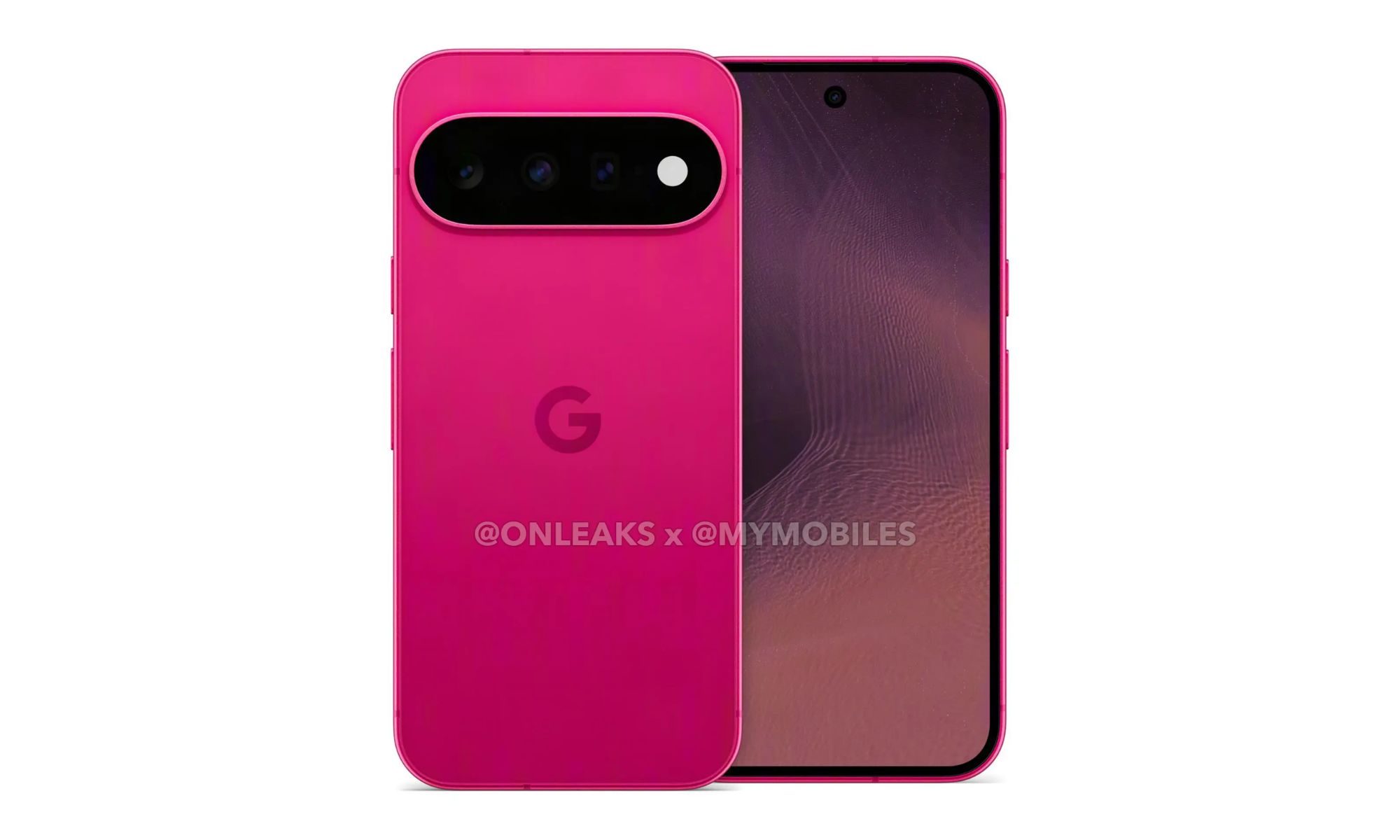
Google's Pixel launches have become increasingly difficult to keep under wraps, and the Pixel 11 series appears to be no exception. Weeks before Google's scheduled August 12 launch event, a fresh leak has revealed what is claimed to be the complete set of official press renders for the Pixel 11, Pixel 11 Pro and Pixel 11 Pro XL, showcasing every colour option across the lineup.

The renders, published by MyMobiles in collaboration with tipster OnLeaks, offer what is arguably the most comprehensive look yet at Google's next flagship family. If authentic, they not only confirm earlier design leaks but also reveal Google's colour strategy for 2026, including a vibrant Fuchsia finish for the standard model and a new copper-inspired "Dune" variant for the Pro series.

Read more
Galaxy Z Flip 8 vs. Motorola Razr Ultra (2026): Samsung’s flip phone is cheaper, but is it better?
One flip phone wins on value. The other wins on hardware.
Electronics, Phone, Mobile Phone

Flip phones have quietly become one of the most competitive corners of the smartphone market. It provides buyers with a satisfying folding snap, reducing the footprint to half the original size, and that’s the entire point. Motorola never really left the format after reviving the Razr name, while Samsung has spent generations treating the Flip line as its scrappy, budget-friendlier sibling to the Fold. 

This year, though, the gap between the two camps has narrowed to the point where picking a winner requires genuinely reading the spec sheet and learning about the phones before putting your money into one. One phone leans hard into raw display firepower, while the other leans into a deeper software ecosystem and a friendlier price tag. 

Read more
Samsung finally switched to silicon-carbon battery on Galaxy Z Fold 8. What’s so special about it?
One of Galaxy Z Fold 8’s biggest upgrade is hiding inside
Galaxy Z Fold 8 Ultra with Fold 8

Samsung has finally joined the silicon-carbon battery race with its latest batch of premium foldables packing the new battery tech. But details for this change were rather hard to spot on the spec sheets. The company has confirmed during media briefings that the Galaxy Z Fold 8 Ultra, Galaxy Z Fold 8, and Galaxy Z Flip 8 all use silicon-carbon batteries.

Even then, the resulting capacities are hardly record-breaking. The Fold 8 Ultra carries a 5,000mAh battery, the regular Fold 8 gets 4,800mAh, and the Flip 8 has 4,300mAh. Rivals from Honor and Motorola have already crossed the 6,000mAh mark. But the figures only tell part of the story.

Read more