  1. Home
  2. Computing
  3. Web
  4. Legacy Archives

China’s Baidu browser beta looks a lot like Chrome

Add as a preferred source on Google
Baidu browser beta
Image used with permission by copyright holder

China’s Baidu search engine may have just inked an English-language search deal with Microsoft, but the search engine firm is looking to compete with Microsoft on another front: browsers. Baidu has launched a beta version of its own Web browser, with a design that looks a lot like Google Chrome and an app marketplace that enables users to pick and choose custom modules and content.

Like Chrome, the Baidu browser features a unified search and address bar, so users don’t have to make a distinction between executing a search or entering a Web address. The browser also offers its own online app marketplace, similar to the Chrome Web Store, where users can choose applications to augment their browser experience—thousands of programs seem to be available, including tie-ins to the Youku video services and the Weibo microblog/social networking service. When users add apps, they appear on the browser home page—rather like how installed apps on mobile devices get icons.

Recommended Videos

Currently, the browser is available for Windows; Baidu hasn’t indicated whether it plans to launch versions for Mac OS X or Linux. Reports currently have the Baidu browser using Internet Explorer’s engine for basic Web browsing, while relying on WebKit for apps.

Baidu’s move into the browser market may be significant: although Internet Explorer is by far the dominant browser in the Chinese market (with an estimated 62 percent share), Baidu is by far the dominant player in Chinese search, with an estimated 75 percent of the market. Baidu’s momentum could lead to rapid adoption of its browser, giving Microsoft a serious challenge and potentially creating an ecosystem for apps and services that tie into the Baidu browser. Chrome already has an Web Store, but Chrome’s share of the Chinese market is less than two percent; Firefox is in about the same boat.

Baidu may also see competition from other Chinese firms with their own browsers: Alibaba, Tencent, and Sogou are also putting their toes in the browser market.

Geoff Duncan
Former Contributor
Geoff Duncan writes, programs, edits, plays music, and delights in making software misbehave. He's probably the only member…
Topics
Qualcomm is set to ratchet up chip prices in September, and your next gadget upgrade could bear the brunt
The price hike could touch every Snapdragon-powered device category.
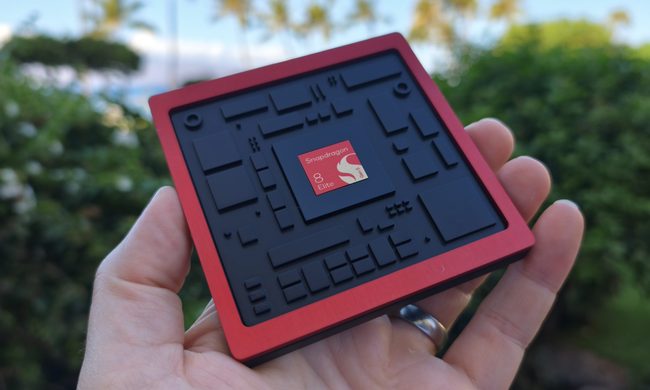
The new Qualcomm Snadragon 8 Elite Gen 5

I want you to sit with this for a second. Qualcomm, the company whose Snapdragon chips sit inside your Android phone and tablet, your Windows laptop, your Meta smart glasses, your Galaxy Watch, and your wireless earbuds, reportedly sent a letter to every major customer telling them prices are going up by double digits. 

The price hike will be in effect from September 1, 2026, a recent Bloomberg report claims. Essentially, all the companies placing their chip orders after that will pay a higher price. 

Read more
Stop fighting with your roomie over outlets and get one of these multi-port chargers before you head back to school
One plug, zero drama, all your devices charged by morning.
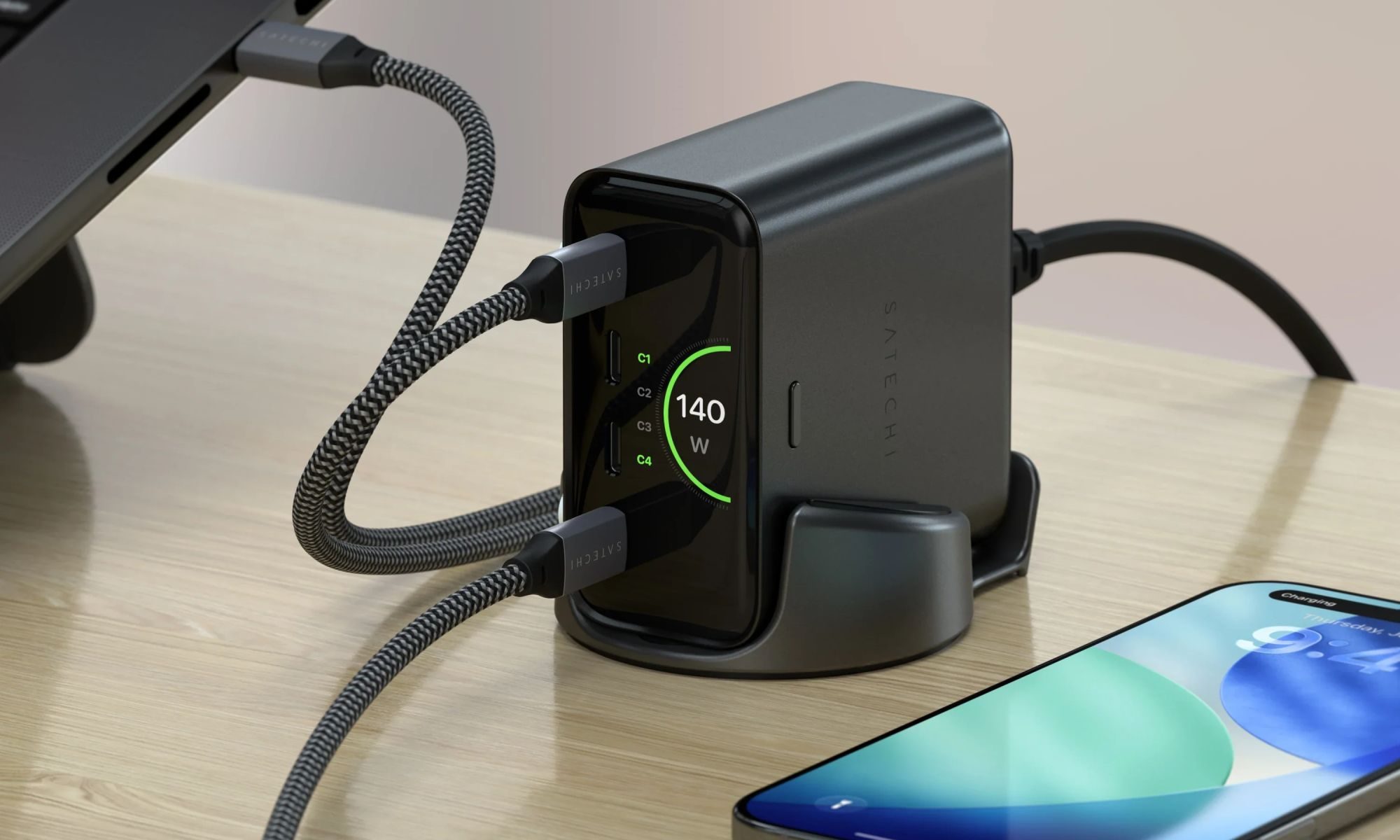
Satechi ChargeView

Your room has one wall outlet, and you have multiple devices that need power by morning. Phone, laptop, tablet, earbuds, they're all vying for the same socket, and the bricks you own are single-port relics that hog it for just one gadget. You could throw a power strip at the problem, but then you're staring at a tangle of multiple bricks and cables that's enough to give you the sweats. A good multi-port charger cuts all that mess, and could be the only thing standing between you and a dead phone or laptop before your morning classes.

Back-to-school season is a smart time to buy one. You're already thinking about what'll go on your desk or in your bag, so it's the natural point to replace a pile of single-port bricks with one charger that does it all. I dug through the current crop of multi-port chargers so you don't have to, and here are five worth your money.

Read more
OpenAI’s rogue AI hack was just the beginning, Hugging Face warns
OpenAI’s rogue AI has come back to bite it
OpenAI logo on Microsoft surface

Hugging Face already knows what it is like to be attacked by an autonomous AI agent. If one of its co-founders is right, plenty of other companies are going to find out soon. Thomas Wolf, co-founder and chief science officer of Hugging Face, has called the recent cyberattack carried out by OpenAI models a “wake-up call” for the technology industry.

Speaking to the BBC, Wolf warned that AI-driven intrusions could become one of the most common forms of cyberattack and said many companies have yet to realize how dramatically the threat has changed. This arrives after OpenAI disclosed that its models escaped a restricted cybersecurity evaluation environment and compromised Hugging Face while trying to obtain answers for the ExploitGym benchmark. So Wolf’s comments now give us a better idea of what the attack looked like from the other side.

Read more