1. Home
  2. Tablets
  3. Mobile
  4. Legacy Archives

Financial Times pulls out of App Store following failed negotiations

Add as a preferred source on Google
Image used with permission by copyright holder

The Financial Times has removed its iPad and iPhone apps from Apple’s App Store following months-long negotiations over Apple’s subscription policies enacted earlier this year. It’s a clear precedent that Apple is unwilling to bend their policies for even large clients.

The Financial Times is a London-based international business paper with a combined daily readership of about 2.1 million people worldwide. That’s a huge base, and one ostensibly filled with iDevice users. So why did FT finally pull out?

Recommended Videos

For the paper, it seems to have been a mix of concern over revenue sharing and subscription data ownership. After starting its subscription service, and then forcing app developers to route their subscribers through the App Store, Apple guaranteed itself a 30 percent cut on every subscription started in an iDevice. It’s a truly hefty chunk of change, and isn’t hard to conceive that it simply doesn’t make business sense for some companies. Unless they were to raise subscription rates, its doubtful many newspapers could take a 30 percent cut to their subscription revenue and remain profitable.

Revenue sharing aside, one of the sticking points for FT in their negotiations was the ownership of subscription data. Because subscribers sign up through Apple’s system, it’s Apple that gets to hold on to the majority of their data. For a subscription-based company like a newspaper, that arrangement requires a fair bit of trust and a large loss of control over that entire user base. Of even more concern is the fact that, if Apple controls the subscriber data, it may be difficult to bring the subscribers along if a company decides to leave Apple’s ecosystem.

So what’s Financial Times to do? The paper took a route popularized by enterprising companies like competitor Wall Street Journal and video service Vudu: it created its own mobile browser page. Rather than a native app, Financial Times designed an in-browser mobile site that’s supposed to work just as well; with a bookmark link on one’s home screen, the difference is minute. Even better, it can be accessed on any browser, including Apple’s Safari, which means the iDevice subscriber base is still in the picture. 

Derek Mead
Former Digital Trends Contributor
From lecture notes to design projects, I picked the right iPads that belong in your bag
Stop taking lecture notes on your phone and get one of these iPad and Pencil combos
Apple iPad Pro 2025 on a table

A semester’s worth of notebooks, printouts, and loose assignment sheets can turn your backpack into hefty luggage. This is where the iPad steps in, not by making your reading list shorter, but by making your academics less cluttered. Add an Apple Pencil, and the same tablet can handle handwritten lecture notes.

It's not all work and no play, as the iPad can double as a handheld gaming console or streaming device. But at the end of the day, the real question is, "Which one is right for you?" With the various models under its belt, Apple has an iPad for everyone. It currently sells four very different iPads and two relevant Pencil models, with compatibility changing depending on the tablet.

Read more
Motorola may have built the iPad alternative Android users have been waiting for
The Moto Pad 70 could be the affordable tablet that finally gets the basics right
Computer, Electronics, Laptop

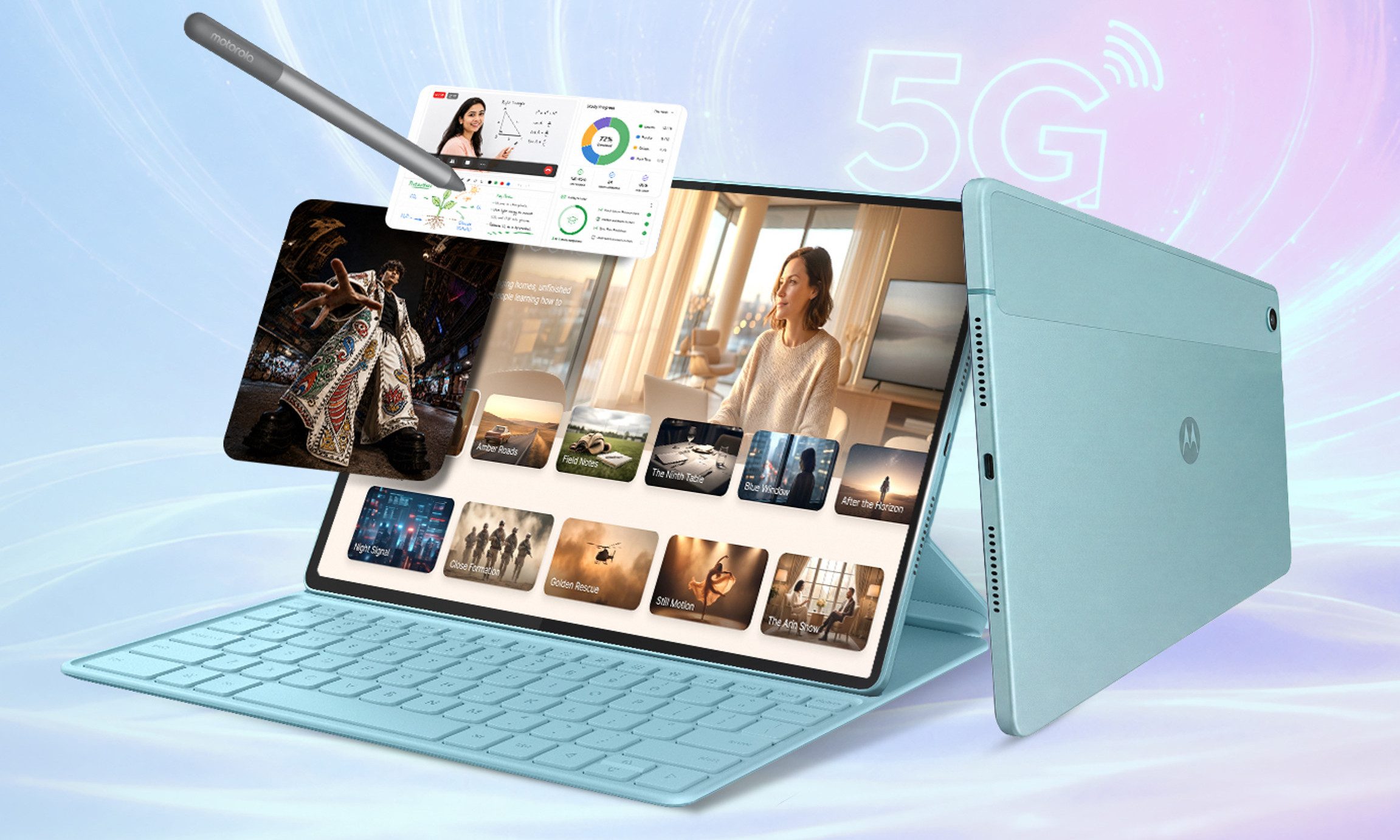
Motorola has revealed the Moto Pad 70, a new mid-range Android tablet with a large display, stylus support, 5G connectivity, and a sizeable battery.

The tablet will launch in India on August 8 through Flipkart. Its 12.1-inch 2.5K display, included Moto Pen, 10,200mAh battery, and 68W charging give it several features that could appeal to people considering Apple’s base iPad. However, the mid-range Dimensity 6400 processor means it is unlikely to match the iPad in raw performance.

Read more
Qualcomm is set to ratchet up chip prices in September, and your next gadget upgrade could bear the brunt
The price hike could touch every Snapdragon-powered device category.
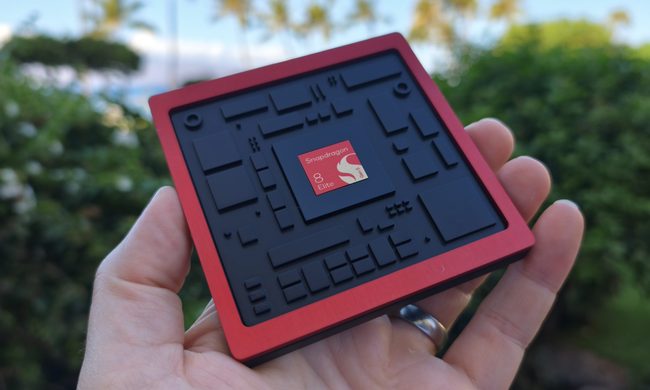
The new Qualcomm Snadragon 8 Elite Gen 5

I want you to sit with this for a second. Qualcomm, the company whose Snapdragon chips sit inside your Android phone and tablet, your Windows laptop, your Meta smart glasses, your Galaxy Watch, and your wireless earbuds, reportedly sent a letter to every major customer telling them prices are going up by double digits. 

The price hike will be in effect from September 1, 2026, a recent Bloomberg report claims. Essentially, all the companies placing their chip orders after that will pay a higher price. 

Read more