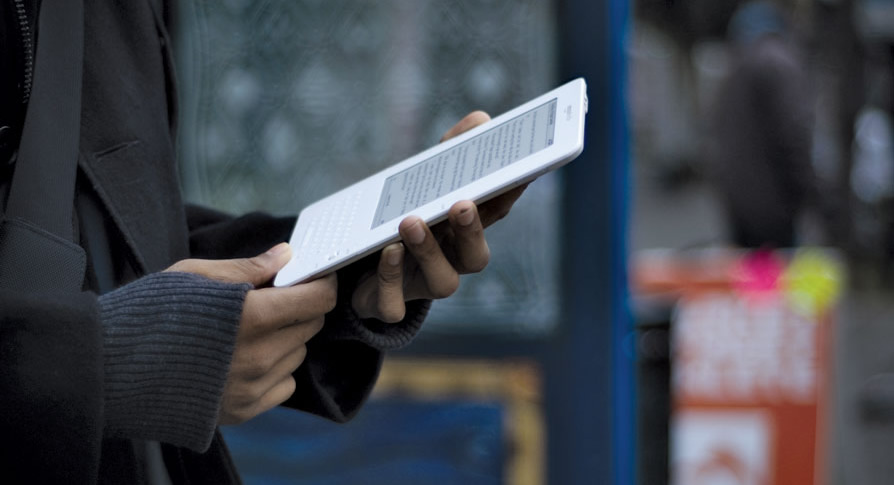
While the Barnes & Noble Nook and the Sony Reader have offered the ability to check out library books in a digital format for a while, Amazon has been slow to roll out support for the function. Announced in April, Amazon partnered with a company called OverDrive that works with over 13,000 public libraries in providing e-book support. Since that announcement, Amazon has been quiet about the development of the relationship as well as the timeline on when the Kindle would be able to access the OverDrive service. As of this week, Amazon started a beta test of the service with public libraries in the Seattle area including the Seattle Public Library.
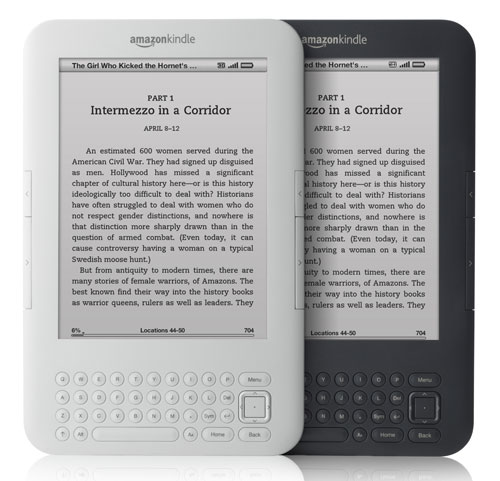 In order to borrow an e-book from the library and have it delivered onto the Kindle, a user visits the the website of the U.S. library partnered with OverDrive and searches the catalog. Assuming the user has a valid library card, they simply click “Get for Kindle” and the browser is redirected to the corresponding Amazon page. The user can then choose to transfer the book to an authorized Kindle, the free reading app or the Kindle Cloud Reader. However, this service will not work over a 3G connection. The user must have an active Wi-Fi connection to receive the book, otherwise they will be forced to download the e-book to a USB memory stick and transferring the content on a Mac or Windows computer.
According to OverDrive, the Kindle 1, Kindle 2, Kindle DX and Kindle 3 are all supported for accessing e-books through the library portal. E-book’s typically have a check-out time of two weeks before the book becomes unavailable and Amazon sends out reminder emails when the loan expiration date is within three days. Since the library is paying for a license to lend the book, it’s possible for digital copies to be checked out and users will have to place their name on a waiting list to gain access to the most popular titles.