1. Home
  2. Computing
  3. News

Hackers can now sneak malware into the GIFs you share

Add as a preferred source on Google

How low will malware go to get onto your device? We thought using Minecraft to gain access to your computer was the most nefarious method hackers have produced, but there’s a new, even lower type of attack that uses Microsoft Teams and GIFs to mount phishing attacks on your computer.

The new attack is called GIFShell and it installs malware on your computer to steal data. It does so by sneaking itself into innocent-looking GIFs and then waiting for you to share the GIF with your colleagues via Microsoft Teams.
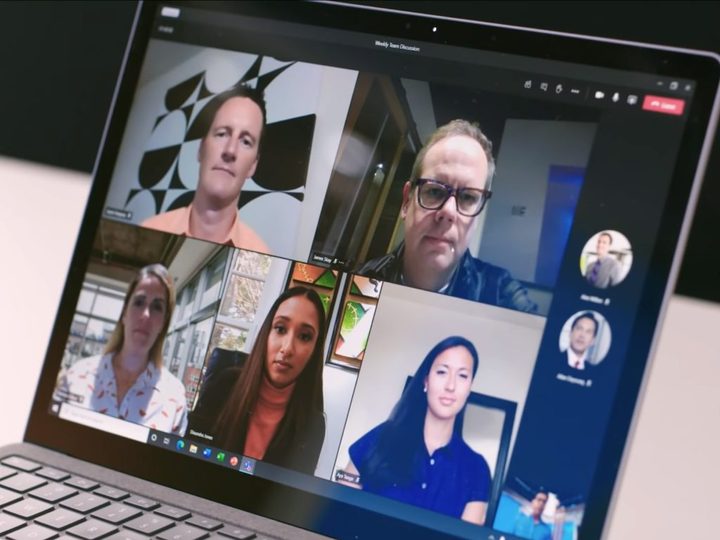
A video call in progress on Microsoft Teams.
Image used with permission by copyright holder

The problem was discovered by cybersecurity expert Bobby Rauch, who shared his findings exclusively with Bleeping Computers. This new GIF attack exploits multiple vulnerabilities in Microsoft Teams to create a chain of command executions.

Recommended Videos

The only thing the attackers need is a way to get into Microsoft Teams in the first place, and they have settled on one of everyone’s favorite web items: GIFs. The attacks include malicious code in base64 encoded GIFs. They then use Microsoft’s own web infrastructure to unpack the commands and install them directly on your computer.

Microsoft Teams is fairly secure and has multiple levels of protection against malicious file sharing. However, GIFs are usually benign, and people love sharing them. They’re the perfect conduit for attacks.

The files can spoof your computer into opening Windows programs such as Excel. It can then send data back to its originator by tricking Windows into connecting to a remote server.

Rauch disclosed his findings to Microsoft in May 2022, but the company has yet to fix the flaws. Microsoft told Bleeping Computers the GIF attacks “do not meet the bar for an urgent security fix.”

The best thing you can do for now is to not open any GIFs someone may share with you on Teams. We’ll keep an eye on this story and let you know when, and if, Microsoft gets around to fixing the vulnerability.

Nathan Drescher
Former Computing Writer
Nathan Drescher is a freelance journalist and writer from Ottawa, Canada. He's been writing about technology from around the…
Intel may bring back older desktop CPUs because DDR5 is getting too expensive
Older Intel Core CPUs from 10th to 14th Gen may get a second life
Intel Core i5-12400F box sitting in front of a gaming PC.

Intel may be preparing an unusual response to the ongoing memory crunch. According to Chinese outlet ITHome, citing ChannelGate, the company’s latest production plan includes restarting production of 13th-gen and 14th-gen Core processors.

The move is expected to increase supply across Intel’s 10th, 12th, 13th, and 14th Gen CPU families, especially in mainland China. For DIY PC builders, the timing is important. DDR5 memory prices have climbed sharply, making newer platforms harder to justify for anyone trying to build an affordable gaming PC.

Read more
Amazon wants to design in-house chips for Kindles, Fire TV, and Echo speakers
Apple did it first. Amazon is doing it now, starting with 40 million chips a year and a partner most people have never heard of.
Amazon Kindle Scribe dark mode featured image.

Apple's decision to design its own chips reshaped the consumer electronics industry. Amazon may be about to make the same call, just about two decades later.

Supply chain analyst Ming-Chi Kuo reports that Amazon is preparing to shift away from externally sourced processors for its consumer electronics lineup, marking what he describes as the company's first major processor procurement change in 20 years. The transition is expected to begin in 2027.

Read more
AI wants to summarize it all. TripAdvisor’s misleading reviews show AI will also ruin your travel plans
Spotless, friendly, and totally wrong. AI summaries are hiding the reviews that actually matter.
Tripadvisor logo on MacBook

Planning a trip is stressful enough without wondering if the glowing hotel summary you just read was written by an AI that skipped the scary parts. As it turns out, that might be exactly what's happening on TripAdvisor.

According to an investigation by consumer group Which?, reported by the Guardian, TripAdvisor's AI-generated review summaries are smoothing over serious guest complaints, and in some cases, downright dangerous ones.

Read more