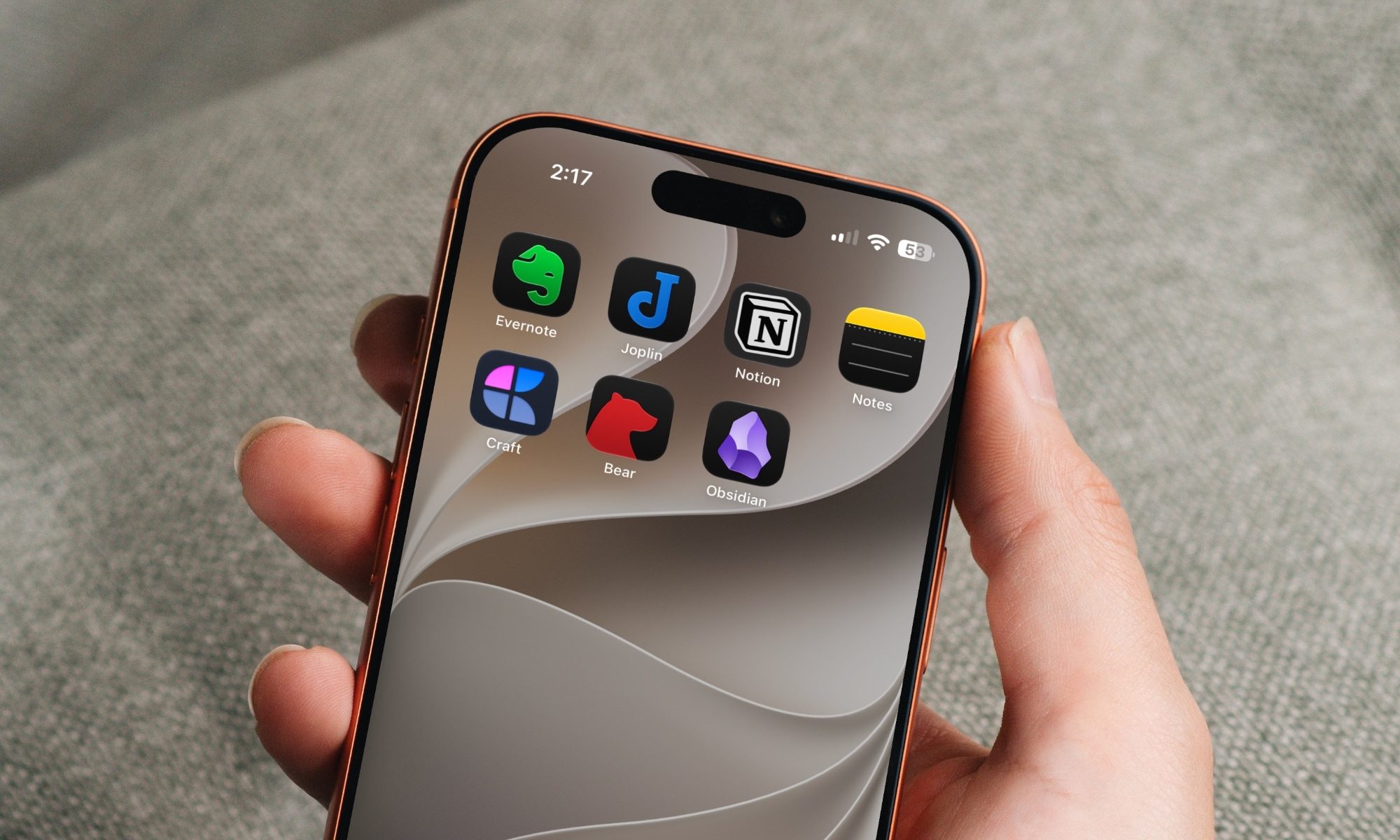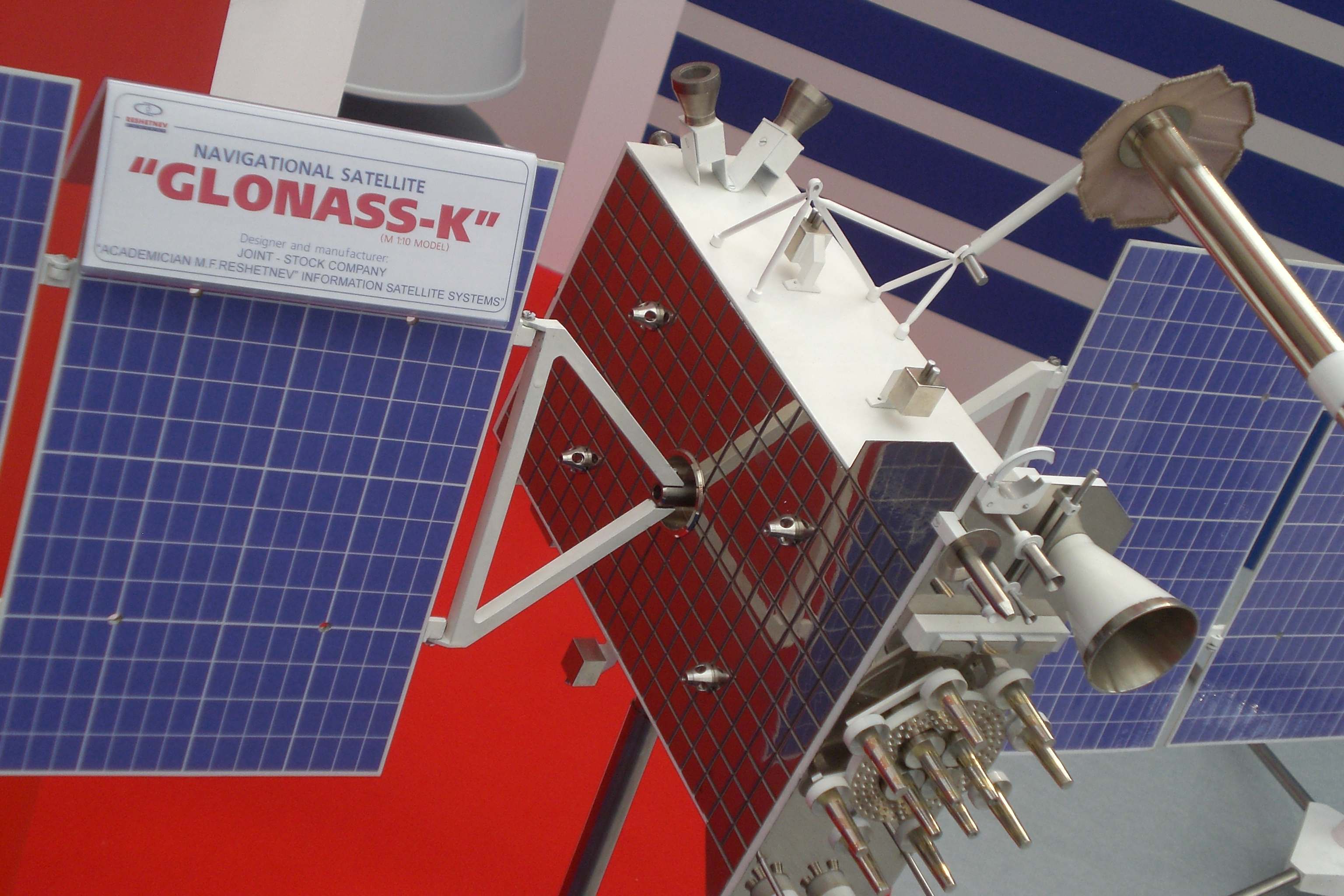
Apple surprised the tech world this week by silently adding support for the Russian satellite navigation system known as GLONASS to the feature list of its new iPhone 4S smartphone. According to the Wall Street Journal, Apple’s embrace of GLONASS could push other smartphone manufacturers to add support for the system to their handsets, as well. But what the heck is GLONASS, anyway; and why did Apple add support for it to the iPhone 4S? Let’s dig a little deeper, shall we?
What is GLONASS?
GLONASS is an acronym, which stands for Globalnaya Navigazionnaya Sputnikovaya Sistema, or Global Navigation Satellite System. GLONASS is, basically, Russia’s version of GPS (Global Position System), which was built by the United States Department of Defense. Like GPS, GLONASS supplies three-dimensional (longitude, latitude and altitude) location pinpointing around the globe. GLONASS is intended to serve as an alternative to a US-operated navigation system.
Who built it?
The Soviet Union began development of GLONASS in 1976. In 1982, the Soviet government began deploying the first of 24 satellites that would make up the GLONASS “constellation.” (GPS also uses 24 satellites.) After the collapse of Russia’s economy, GLONASS development was put on hold, until Russian President Vladimir Putin revived the project in 2001. Following a number of subsequent setbacks, the full satellite constellation was finally restored on October 2 of this year.
Who can use GLONASS?
As was the case with GPS, GLONASS was originally only accessible by the military. The system was made available for public and commercial use in 2007. GPS has been available for civilian use since 1980.
How much did it cost to build GLONASS?
Between 2001 and 2011, the Russian government spent a total of 140.1 billion rubles (or about $4.7 billion) on the GLONASS project, making it the most expensive program ever undertaken by the Russian Federal Space Agency.
Is their a benefit to GLONASS over GPS?
Both have their strengths and weaknesses. While GPS is generally considered the better option on most parts of the globe, GLONASS is believed to have superior accuracy in the northern latitudes of the planet, as the system was developed to provide the best service to Russia, which extends to the highest latitudes.
Why did Apple include support for GLONASS in the iPhone 4S?
At this point, that information is not public – but, of course, some theories do exist. One is that Apple included GLONASS support in order to appease Russia’s government, which has reportedly threatened to ban the import of any phone that does not support GLONASS. Another is that Apple simply wanted to improve the location functionality of the iPhone 4S, but it is currently unclear whether it would actually do so.
Do any other smartphones include GLONASS support?
Yes. The first GLONASS-compatible handset came out in April of this year. Dubbed the MTS Glonass 945, the device features a low-resoltuion, 3.2-inch touchscreen and runs on Android 2.2 Froyo. The device has been criticized as far too expensive. Last month, Samsung began offering a free “High Fidelity Position” app for its handsets that run Windows Phone 7.5 Mango that “enhances” its navigation system by adding GLONASS support. And Nokia announced this summer that it would begin offering devices with GLONASS support in 2012.
Are there any other global navigation systems I should know about?
Yes. The European Union is currently building a similar system, known as Galileo, which is expected to be complete around 2014. And China is currently deveoping the Compass navigation system, which will use a constellation comprising of 35 satellites instead of 24. Each system will provide its region with an independently operated navigation system, which is particularly useful in times of war.