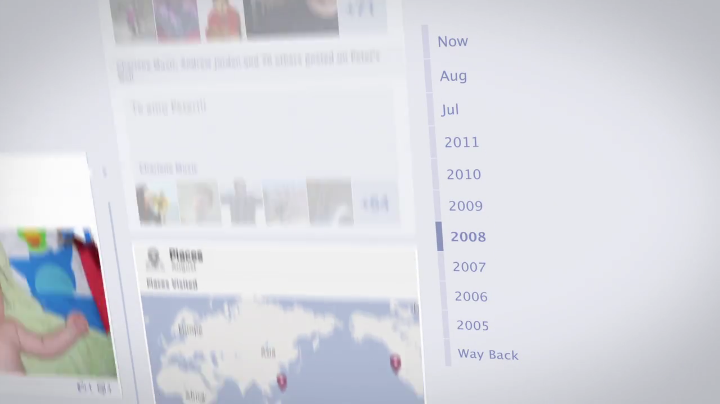
 For nearly two months, we’ve been warned that Facebook’s new Timeline is coming. The profile page revamp changes everything about how we see and use our accounts, and of course integrates all of those Open Graph changes.
But between some legal hang-ups and privacy investigations, the Timeline has managed to continually get pushed back. So when are we finally going to see the next step in Facebook profiles? According to Robert Scoble, who recently met with the Facebook PR team, progress is being made.
“They are working on speed and smoothness and some UI issues. Today Facebook shipped a much nicer photos uploader. That’s part of the process, I believe,” Scoble write on his Facebook page. “They know it’s too hard to upload all your old photos and mark them with old dates. Plus they want to make it wicked fast.”
Those of us who have had Timeline since its developer release in September (you want one? Follow our steps and it’s as good as yours) know that there is some pain editing the thing. Many of us have had Facebook for years now, and sifting through all the data and trying to fashion it into a personal scrapbook of sorts is a daunting task. If Facebook’s trying to ease this process in any way, more power to them.
While Timeline still doesn’t have a definitive date, some of those Open Graph changes are within our grasp. “’Frictionless sharing’ is about to really become big time,” Scoble writes. “Sometime in the next few weeks dozens of apps will be added to the new ticker.” We recently talked about how social shopping apps would soon be making their debut, and what some of the implications of the new Open Graph are.
This development is likely one that’s going to create a lot of discussion: How can you filter what you see in the ticker? The thing is already flooded with endless updates, and if this new frictionless sharing increases app use like Facebook thinks it will, will users or Facebook have control on cutting through the noise?
But as far as the Timeline is concerned, it sounds as if Facebook is content to allow things to gradually change instead of pulling the rug out from under those who haven’t adapted quite yet.