1. Home
  2. Phones
  3. Mobile
  4. News

AI is about to make Google Translate a whole lot smarter

Add as a preferred source on Google

Google today announced updates to its Translate app for iOS, Android, and the web. The company will be bringing in additional context to translations to help you understand more about your target language, and it’ll also be using a lot more AI power for Translate to make that happen.

First, Google is using AI to add more context to transitions, as well as better translate images. The first is aimed at helping people properly grasp words that have multiple meanings.
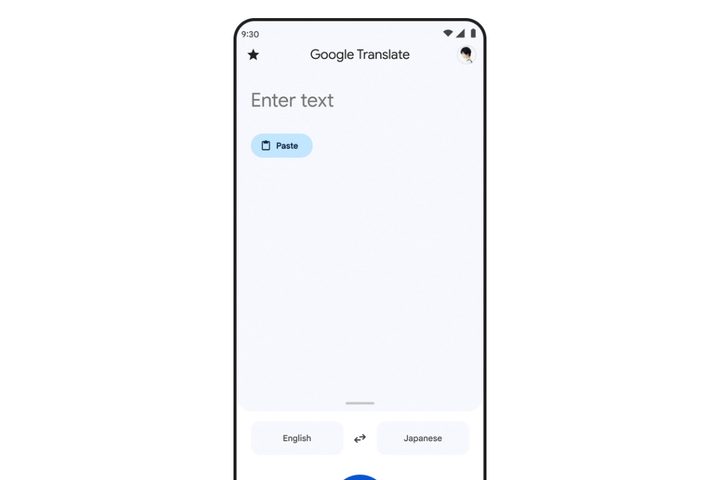
Google Translate app mockup as of February 2023.
Google

Google gives the example of “novel.” This could mean a novel, something that is new, or something that is unique and original. Translate will now use AI to deliver contextual information so you can pick the right word for the occasion. Google will support this feature in English, French, German, and Spanish over the next few weeks.

Recommended Videos

The second feature uses AI and machine learning (ML) to properly position translated text on an image, Currently, Google displays text in an overlay that may or may not properly display. Google says if you’re using an Android phone with over 6GB of RAM, it’ll now be able to blend the text into the image properly such that it looks more “natural”.

New features make Translate more accessible for its 1 billion users

Google is also bringing a new design to the iOS app following the rollout of the Material You redesign on Android phones. It’s not clear if Google will use the same styling or one that’s more tailored to Apple’s Human Interface Design guidelines as the company has indicated it plans to start doing. In any case, the new design will include a “redesigned Translate experience provides a larger canvas for typing and more accessible entry points for translating conversations, voice input, and Lens camera translation.” Universal to iOS and Android will be new gestures, a more readable font, and support for more languages when using on-device translation. Highlighted is support for Basque, Corsican, Hawaiian, Hmong, Kurdish, Latin, Luxembourgish, Sundanese, Yiddish, and Zulu.

Google has always used a little bit of AI through its services, but the rise of generative AI in recent times has made companies like Google (and Microsoft’s new Bing experience) substantially keener to show off just how good and helpful their AI is. The Google Translate app is a fantastic tool in the arsenal of travelers, and these updates at least sidestep the thornier issues that AI use is facing this year.

Michael Allison
Former Mobile News Writer
A UK-based tech journalist for Digital Trends, helping keep track and make sense of the fast-paced world of tech with a…
Apple’s next big iPhone display experiment could be its biggest yet
The company may be testing a 6.96-inch panel for a future flagship, although one leaker’s post is currently the only source for the exact measurement
iPhone 17 Pro Max

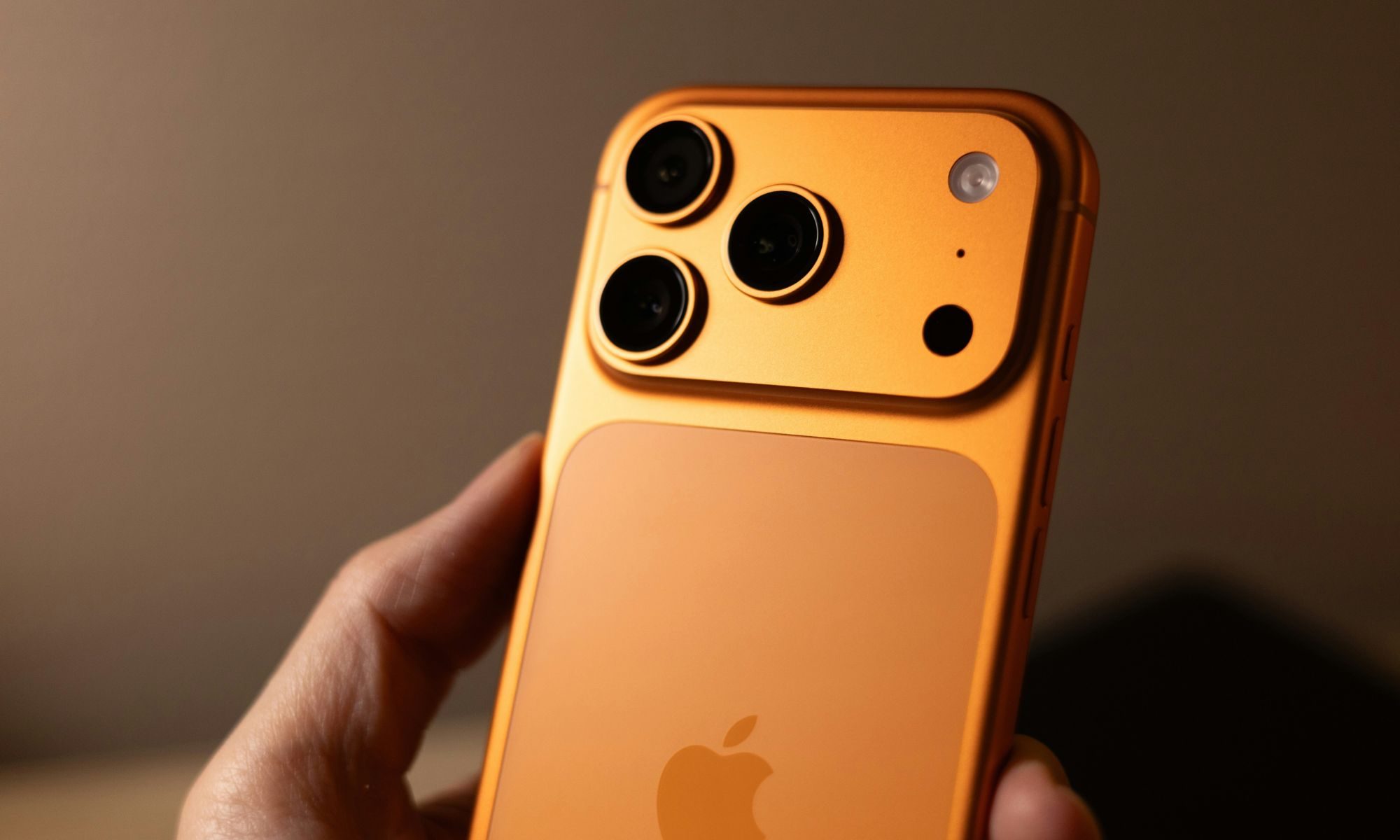
Apple may be testing a 6.96-inch display for a future iPhone, bringing its largest handset within a whisker of the 7-inch mark.

Leaker Digital Chat Station claims the experimental panel retains the same aspect ratio as Apple’s current Pro Max display. The post mentions the iPhone 20 Pro Max as a possible destination, but doesn’t connect the screen to a finished device. Apple could be exploring the size without putting it anywhere near a production line.

Read more
Vibecoded apps are flooding Apple’s App Store, and users are getting sick of them
App Store submissions have doubled this year as AI tools make it easier than ever to build an app, but downloads haven't kept pace, and for good reason.
Apple App Store homepage on an iPhone

Apple's App Store is in the middle of its steepest submission surge in years. Developers submitted nearly 600,000 new apps last year, marking a 30 percent jump over the previous year. That number has already doubled to roughly 560,000 new apps in just the first six months of this year, according to estimates from analytics firm Sensor Tower cited by the New York Times. The reason behind the spike is vibecoding, which allows people with no prior development experience to create new apps using AI tools.

A familiar boom, with a twist

Read more
Google Photos adds a quick toggle between AI and classic search
Classic search is finally easier to reach for people who enabled Ask Photos
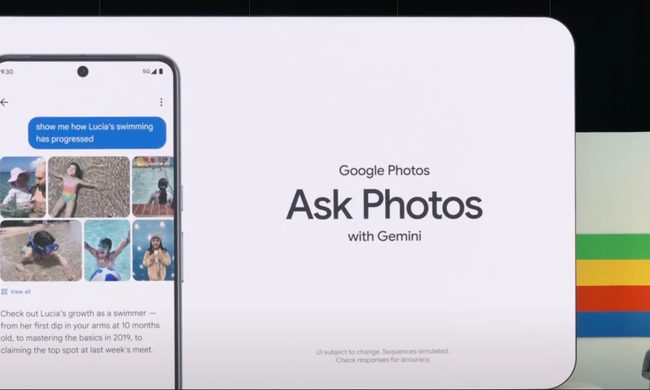
Google's Ask Photos debut.

Google Photos is giving users an easier way to leave its Gemini-powered search when a simple keyword would do. A new toggle now sits at the top of the results page, letting users switch between Ask Photos and classic search without digging through settings.

The change appears to address feedback from people who opted into Ask Photos but wanted a quicker way to return to classic search when Gemini was slower or less useful for a straightforward query.

Read more