If you’ve been wondering why your beefy graphics card hasn’t been performing as well as it should in Windows 11 or Windows 10, the answer could be Microsoft’s Virtualization Based Security (VBS). According to testing done by Tom’s Hardware, VBS could cause gaming performance to drop by as much as 10%.
In a suite of fresh benchmarks, Tom’s Hardware tested 15 different games, from Cyberpunk 2077 to Red Dead Redemption 2, both with VBS enabled and with the feature turned off. In some games, the results could be cause for concern.
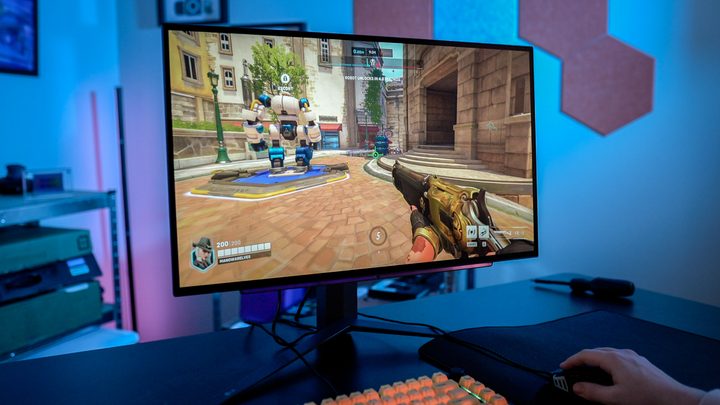
In Microsoft Flight Simulator, for example, disabling VBS improved average frame rates by up to 10% when using an Nvidia RTX 4090 graphics card. In fact, when measuring the lowest 1% of frame rate results, the game benefitted by as much as 15% from having VBS switched off. That could translate into a noticeable increase in performance.
Microsoft explains that VBS “uses hardware virtualization features to create and isolate a secure region of memory from the normal operating system.” This helps protect against vulnerabilities and exploits that could weaken your PC’s defenses. In other words, it’s a pretty handy security feature.
However, it’s important to note that Microsoft Flight Simulator was an outlier in the results. In all other games, average frame rate increases were in the single-digit range — around 5-6% on average. While some games also saw roughly 15% increases to one-percentile results, most did not. The increase in Total War: Warhammer 3’s one-percentile score was much higher, but Tom’s Hardware noted that this game’s performance is “all over the place right now” so not much stock was put in that outcome.
No need to panic
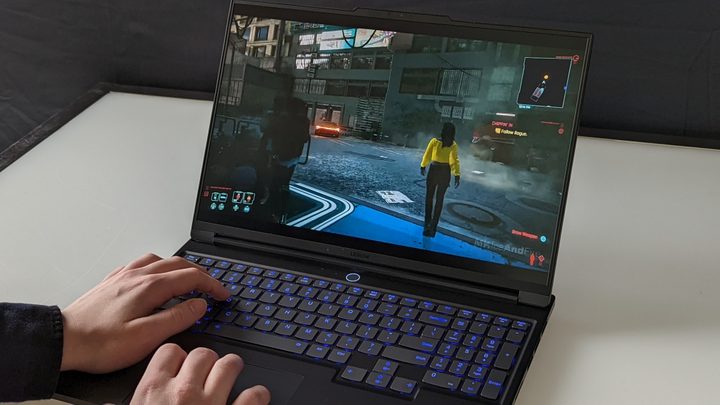
In practice, most games saw increases in performance of a handful of frames per second (fps). For instance, Cyberpunk 2077 running at 4K Ultra with ray tracing enabled went from 40.4 fps to 42.7 fps. The differences at 1440p and 1080p (with the same settings as before) were 5.7 fps and 5.6 fps respectively.
Some titles saw larger jumps as resolution decreased — Borderlands 3 went from 319.1 fps to 349.9 fps at 1080p, for example — but at those kinds of frame rates, the difference is less noticeable in real-world gameplay.
The mostly modest payoffs might not be worth it. As we explained when this issue reared its head late last year, VBS might not even be the main culprit when it comes to frame-rate drops. That could be something called Hypervisor-Enforced Code Integrity (HVCI), a feature that is enabled by VBS. Our testing showed HVCI was to blame for most of the impact we saw, but you probably don’t want to disable it because it helps support things like your laptop’s fingerprint scanner.
In any case, a few frames here and there are unlikely to impact your gaming experience, at least for most people. Instead, you’ll have much more success optimizing Windows for gaming than you will by disabling VBS — and you won’t have to worry about the potential security impact, either.