  1. Home
  2. Computing
  3. News

Apple has a chance to fix its worst product next year

Add as a preferred source on Google
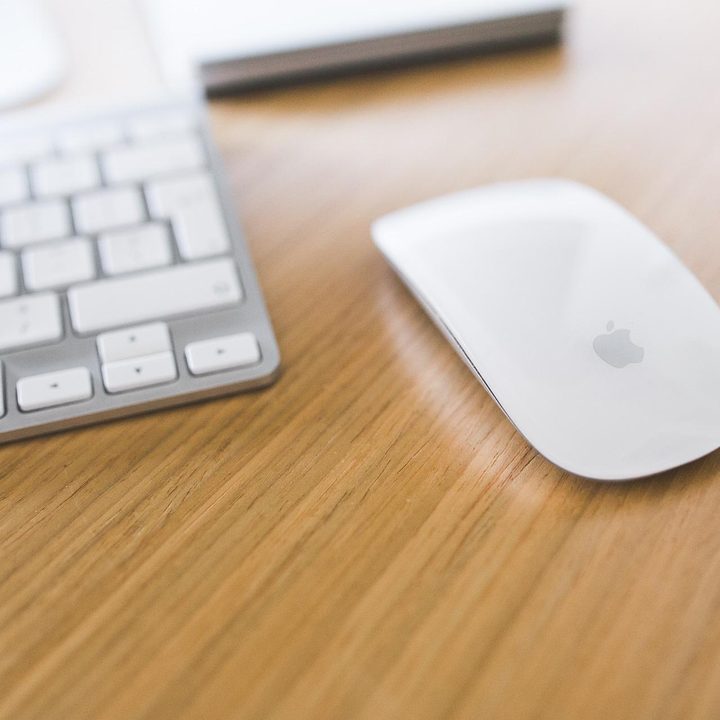
Magic Mouse next to a Mac keyboard on a desk.
kaboompics / Pixabay

Apple updated all of its Mac desktops in 2024, but left the worst part untouched: the accessories. In particular, we’re talking about the infamous Magic Mouse. The mouse has been dunked on for years at this point, often pointed to as an example of the worst of Apple’s design ethos. Despite all the positive changes to Macs over the past few years, the Magic Mouse has remained stagnant.

A new report, however, indicates that the Mac accessories will undergo a major change in early 2024. The Magic Keyboard, Magic Trackpad, and Magic Mouse will reportedly all be moving to USB-C to match the latest iPhone, after having previously used the Apple-exclusive Lightning connection. This seems like an obvious change that probably should have happened earlier. In fact, it was even rumored to happen in time for the launch of the M3 iMac — but it didn’t.

Recommended Videos

But if Apple changes out the port type and doesn’t fix the Magic Mouse, it will have been a serious wasted opportunity. Why? Well, the biggest design flaw in the Magic Mouse is its port placement. The horrible ergonomics and lack of other buttons isn’t great either, but if there was one thing I could change about the Magic Mouse, it would be the location of the charging port. With it being located on the underside, you can’t charge the mouse while using it, like most wireless mice. This might have been acceptable in 2015 when the Magic Mouse first came out, but in 2023, it’s embarrassingly outdated.

So, if Apple is going to mess with the connection already, it would be a great time to give the Magic Mouse a redesign and at least fix the charging problem.
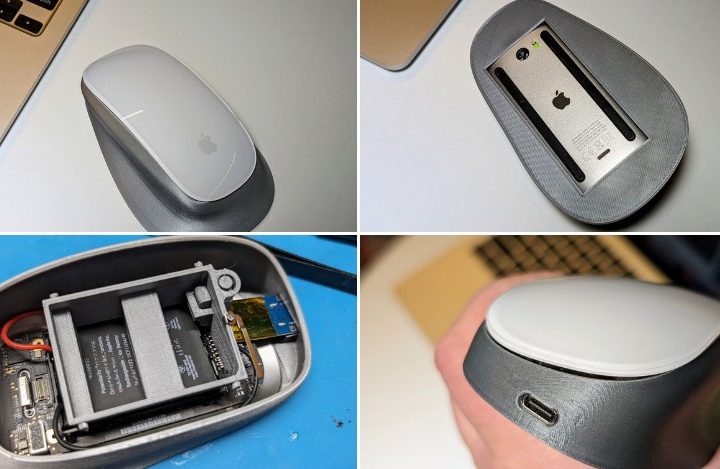
Systems engineer and hardware hacker, Ivan Kuleshov shared his results making a fix for Apple's Magic Mouse.
Ivan Kuleshov

Apple has redesigned and reengineered nearly every aspect of its Macs over the past few years, including the desktop options such as the iMac or Mac mini. Rumors aside, the idea that they Apple would still sell the Magic Mouse with all its problems feels more and more mind-boggling every year. As seen in the photos above, there have been homemade attempts to hack a better solution together — but we need a proper solution from Apple. If not, it’s going to continue to be a blot in its otherwise excellent Mac lineup.

So, Apple, please. Switching to USB-C is a good idea, but the Magic Mouse needs more than just that.

Luke Larsen
Former Senior Editor, Computing
Luke Larsen is the Senior Editor of Computing, managing all content covering laptops, monitors, PC hardware, Macs, and more.
Google’s new Magic Pointer Play Store listing reveals a Gemini shortcut built for Googlebooks
The unannounced app turns the cursor into a contextual AI tool for search, image creation, and shopping
Plant, Text, Business Card

Google has quietly published a new Play Store listing for Magic Pointer, an unannounced app built for Googlebooks. Updated on July 10, the app turns the cursor into a Gemini shortcut that can act on whatever a user selects on screen.

Magic Pointer can send an image to Lens, generate a related image, or surface a shopping action without forcing users to open a separate chatbot. Regular Android devices currently show as incompatible, so the listing offers an early preview rather than a broad release.

Read more
You can stop using AI, but this new report says you probably can’t escape it
A UK survey found that most people feel AI exposure is unavoidable, raising harder questions about consent, privacy, and whether opting out is still realistic
AI Chatbots

More people are trying to use less AI, but avoiding it altogether may already be impossible.

A survey of 2,055 UK adults found that 42% deliberately limit how much AI they use. Another 70% said avoiding AI exposure would be difficult or impossible, even when they actively wanted less of it.

Read more
The face on an AI interviewer may matter as much as the decision it makes
Researchers found that race and gender matching changed how fairly rejected applicants viewed an automated interview, even though everyone received the same outcome
File, Computer Hardware, Electronics

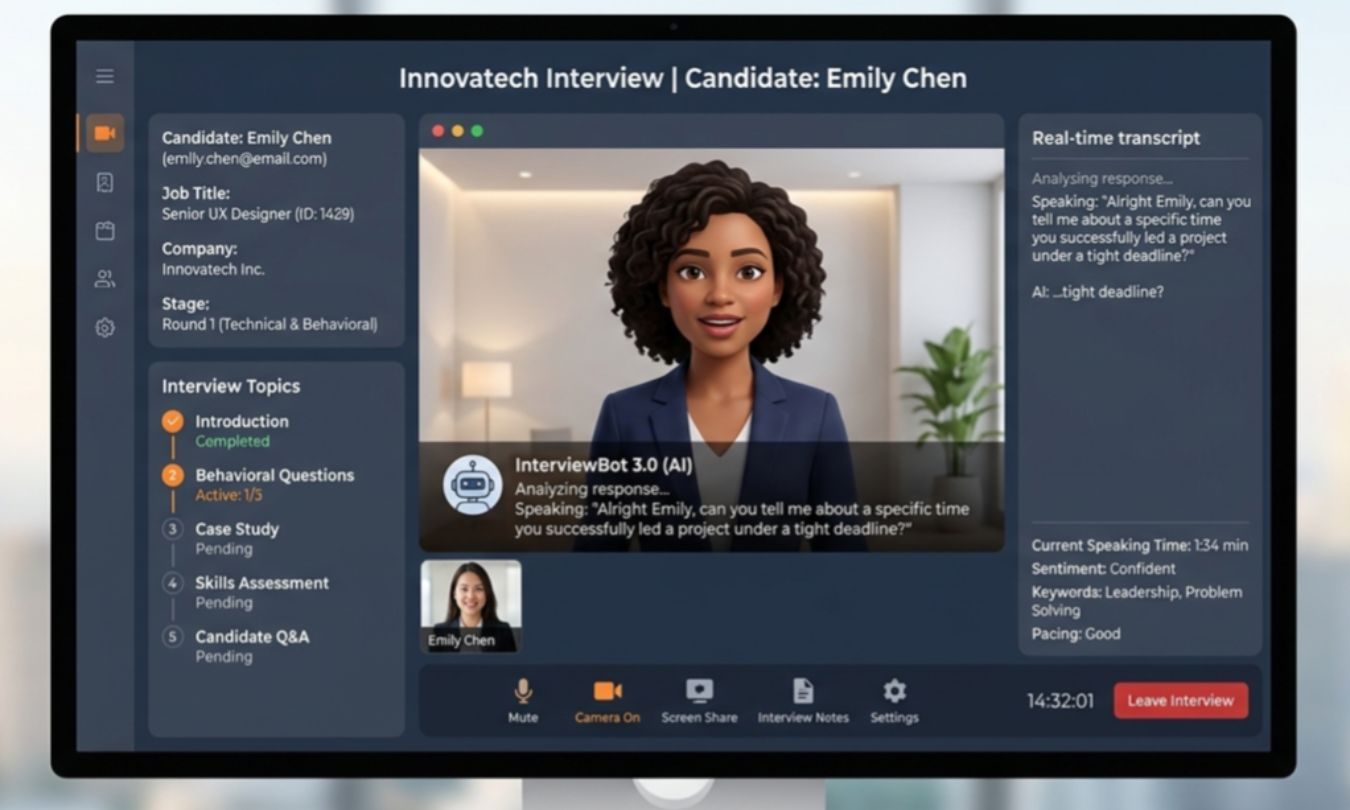
An AI hiring system can treat every applicant the same and still leave some people feeling targeted. Researchers found that rejected candidates judged an automated interview differently depending on the race and gender of the avatar delivering the result.

Around 220 participants completed a simulated interview for a fictional customer support role with one of four photorealistic AI avatars. Everyone was rejected, yet perceptions of fairness shifted with the interviewer’s appearance. An algorithm audit could miss that reaction because candidates don’t experience the system as raw code. They experience a face asking questions and judging their answers.

Read more