  1. Home
  2. Cars
  3. News

Kia reinvents the van with its electric Platform Beyond Vehicles

Add as a preferred source on Google
Kia PV5 concept car.
Andrew Martonik / Digital Trends
CES 2026
Read and watch our complete CES coverage here

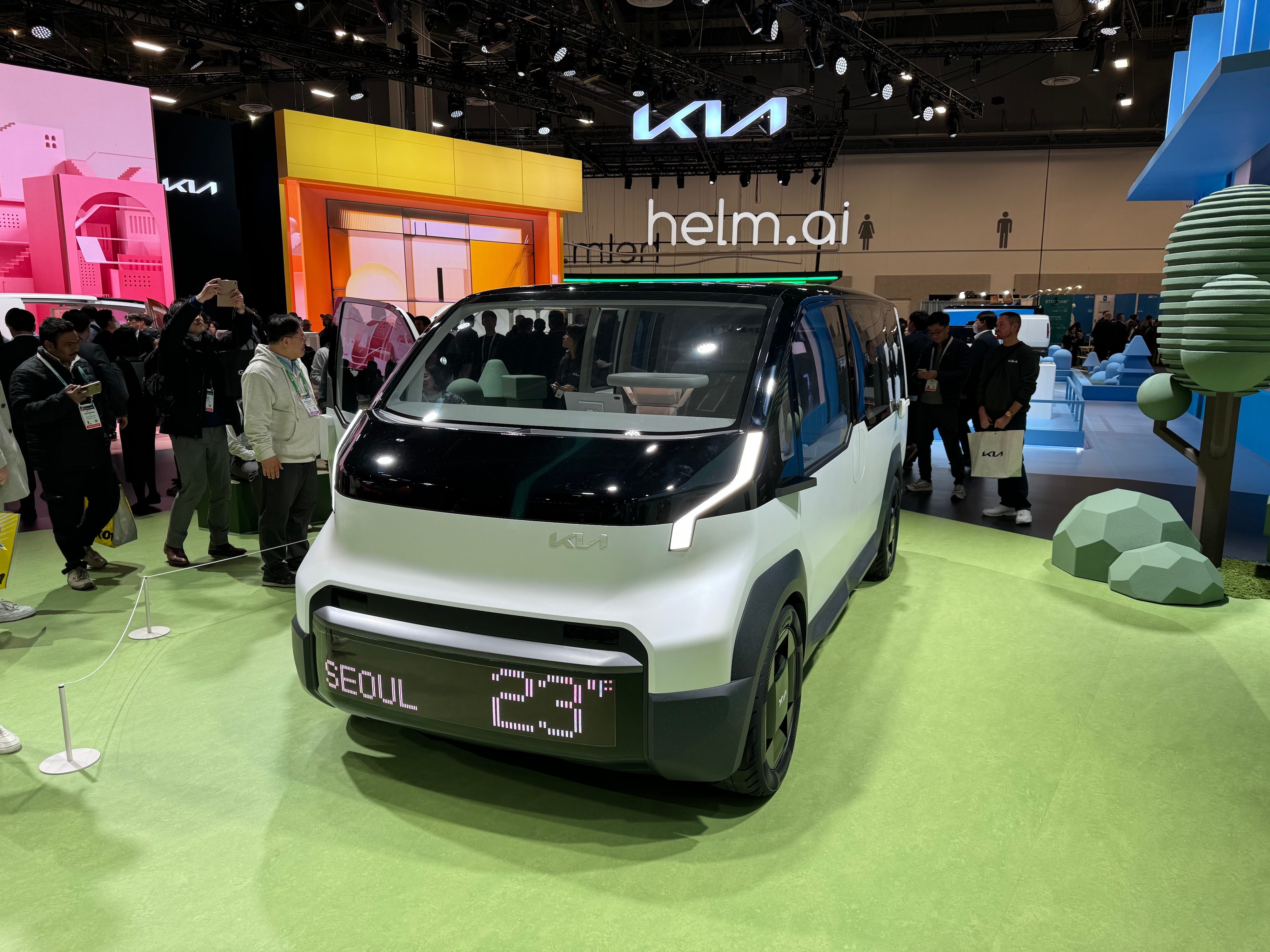
Kia wants to build EVs that can be easily reconfigured for different uses, ranging from ordinary passenger cars to taxis and delivery vehicles. The automaker previewed this strategy, called the Platform Beyond Vehicle (PBV), at CES 2024, showing the first potential vehicle designs.

All PBV derivatives will be based on a modular platform with a fixed cab, but all bodywork aft of the cab will be interchangeable, allowing the same vehicle to serve as a taxi during the day, a delivery van at night, and a personal car on weekends, Kia says. If this sounds familiar, it’s because Kia first mentioned the PBV strategy in April 2023, but at that time, the acronym stood for “Purpose-Built Vehicle.”

Recommended Videos

The rear bodywork, which Kia calls the “life module,” is connected to the chassis via electromagnetic and mechanical couplings. These modules will be shipped in kit form and designed to be easily assembled outside a factory setting. Kia says they’ll incorporate features like large doors to make ingress and egress easy, adding that the basic EV platform creates a large flat floor ideal for stowing cargo.
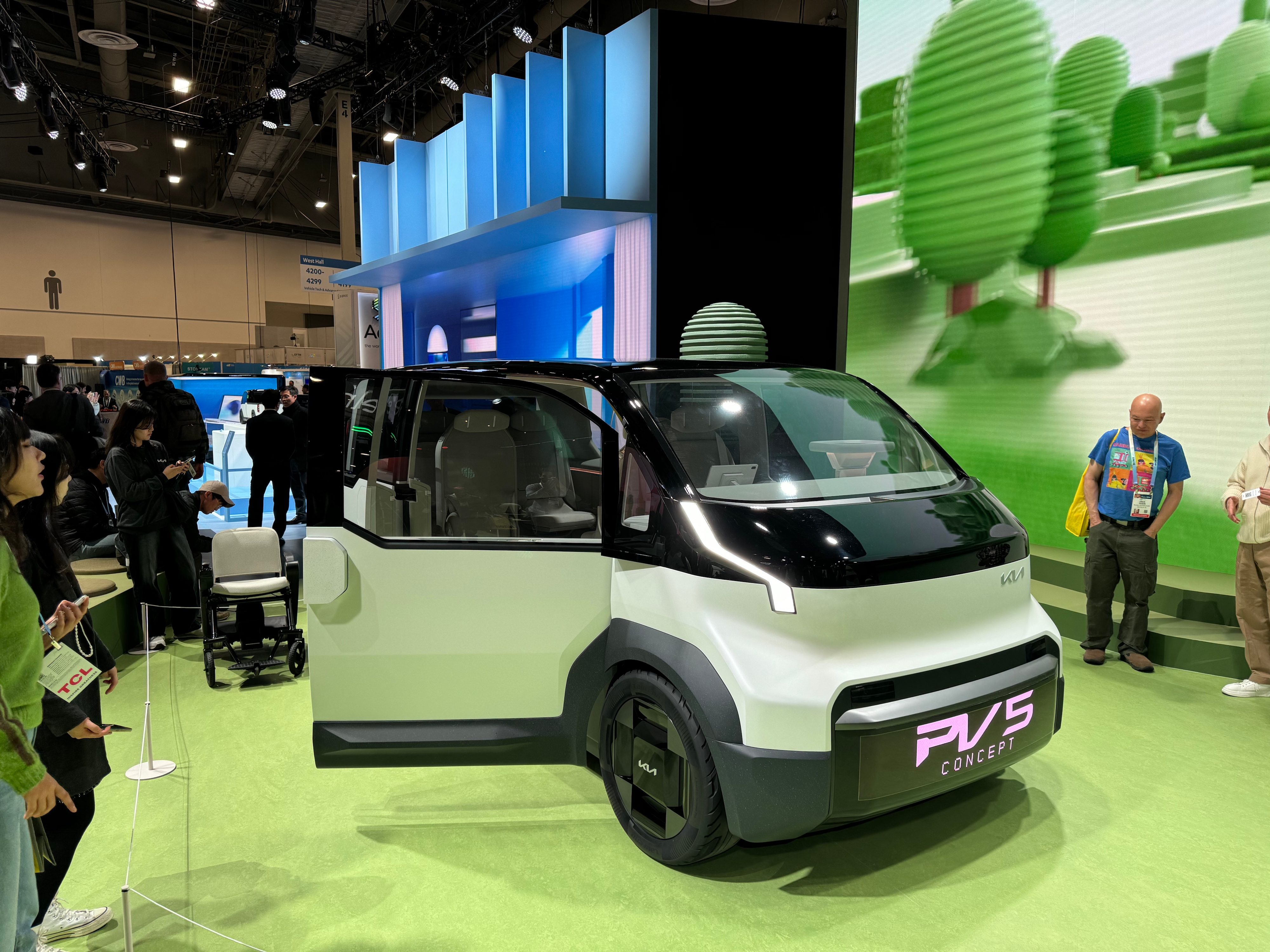
Kia PV5 concept car.
Andrew Martonik / Digital Trends

At CES, Kia showed the Concept PV5, previewing the first planned PBV production model. Kia plans to offer “basic,” van, high roof, and chassis cab configurations, as well as a self-driving version for a planned autonomous ride-hailing service from Motional, a joint venture between Kia parent Hyundai and autonomous-driving tech firm Aptiv.

The PV5 will be followed by a larger model called the PV7 and a smaller model called the PV1. They’ll be built at a dedicated factory in Hwaseong, South Korea, that’s scheduled to open in 2025 and will be able to build 150,000 vehicles per year, according to Kia.

In addition to the vehicles themselves, Kia hopes to create an aftermarket ecosystem of accessories that can be mounted on a standardized rail system built into the ceiling, floor, and side panels of the vehicles. According to Kia, this can accommodate everything from cabinets and shelves to speakers, and the automaker plans to contract with conversion shops in different markets to install them. There will also be bundles of software, including fleet management systems for the commercial operators likely to use the PBVs in their delivery van, taxi, and autonomous ride-hailing configurations.

The multiple body styles, range of accessories installed by third-party firms, and fleet-management software all seem borrowed from the commercial van market. But commercial vans also seem like a better model for the delivery vehicles and ride-hailing of the future than the hodgepodge of sedans and SUVs doing the majority of Uber or GrubHub runs today.

Stephen Edelstein
Stephen is a freelance automotive journalist covering all things cars. He likes anything with four wheels, from classic cars…
Volvo’s purported EX50 could be the budget-friendly plot twist nobody saw coming
Volvo's next electric SUV could shake up the EX lineup with more room and a smaller price tag.
Volvo EX30 front profile.

Volvo’s electric lineup needed a genuinely affordable entry point, and a new report suggests that buyers might actually get one. 

According to a new Automotive News report, Volvo is quietly working on a compact electric crossover, called the EX50. It will be aimed at replacing the dated EX40 in the US sometime in 2027. 

Read more
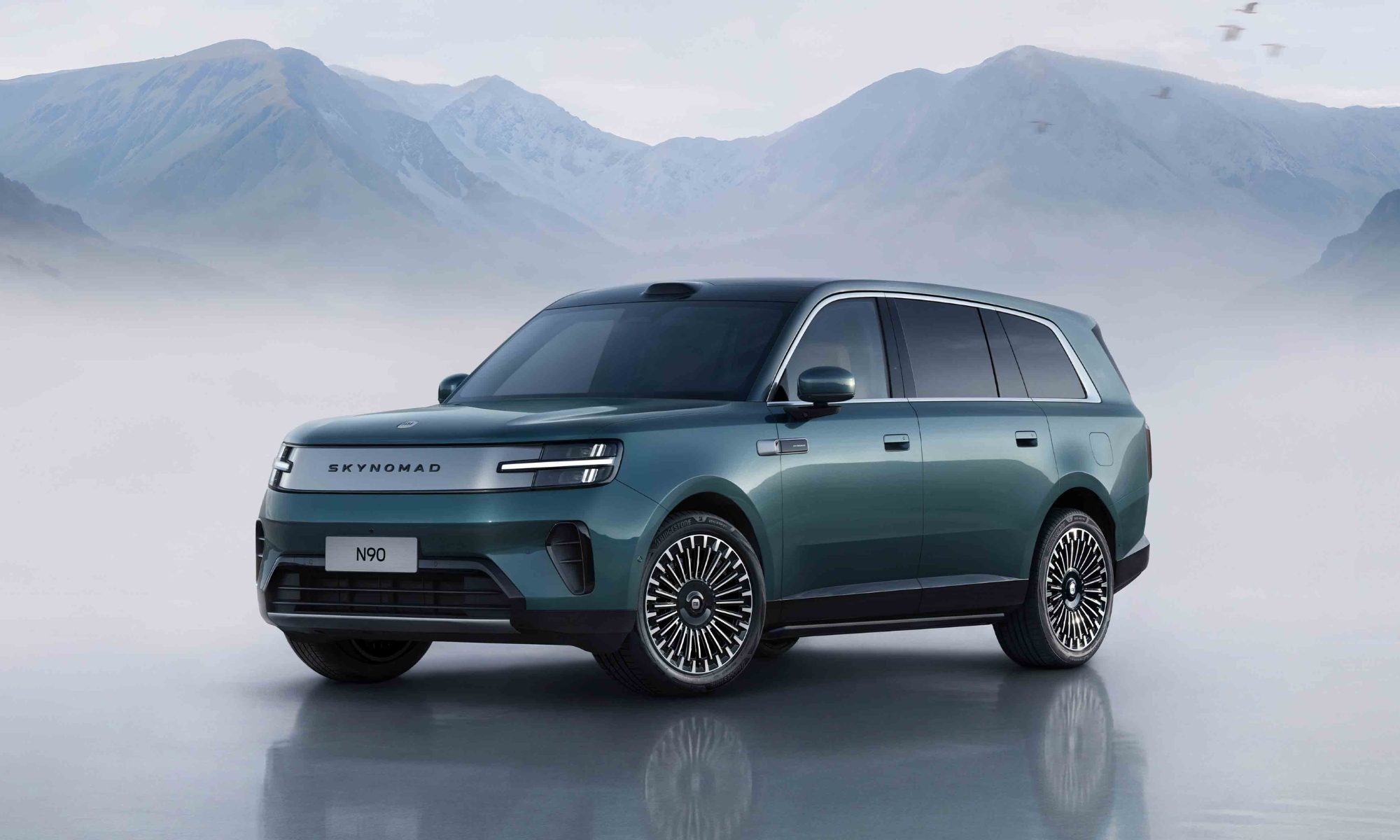
Xiaomi just launched an SUV with seven seats and a bedroom upstairs
Xiaomi’s SkyNomad SUV could replace your car, office, lounge, and tent
Skynomad

Xiaomi’s new family SUV is basically a house on wheels with enough claimed range to cover more than 1,000 miles. It also costs considerably less than its outlandish feature list might suggest. The company has officially launched the SkyNomad N90 Max in China for 299,900 yuan, equivalent to roughly $44,400 through direct conversion.

Preorders are open now, with the first vehicles expected to reach customers in September. The converted figure provides useful context, though it does not represent pricing outside China. Xiaomi describes the seven-seat flagship as a “house you can move.” This unusually grand pitch starts making sense once you see what happens inside.

Read more
Mazda chief says the MX-5 Miata could go electric
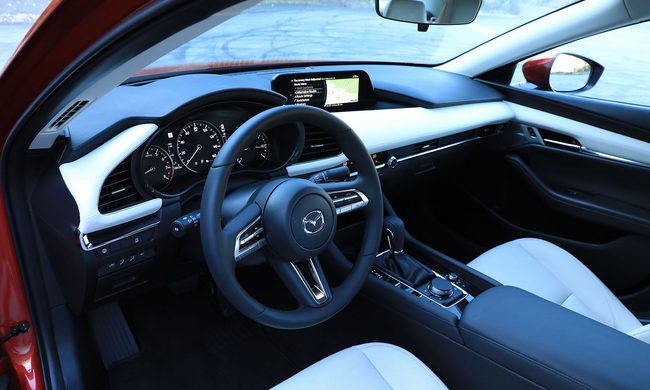
2019 Mazda Mazda3 AWD review

For years, the idea of an electric Mazda MX-5 Miata felt almost impossible. The little roadster has always been celebrated for one thing above everything else: keeping things light. Add a heavy battery pack into the equation, and many enthusiasts assumed the Miata's trademark driving character would disappear along with it.

Mazda, however, appears to have changed its mind. In an interview with German publication auto motor und sport, Mazda CEO Masahiro Moro confirmed that the next-generation MX-5 is being developed with the possibility of an all-electric version in mind. It doesn't mean the iconic roadster is abandoning gasoline anytime soon. Still, it does suggest Mazda wants the Miata to survive in a future where internal combustion engines may no longer be an option.

Read more