  1. Home
  2. Phones
  3. Mobile
  4. News

Check your iPhone right now for an important security update

Add as a preferred source on Google
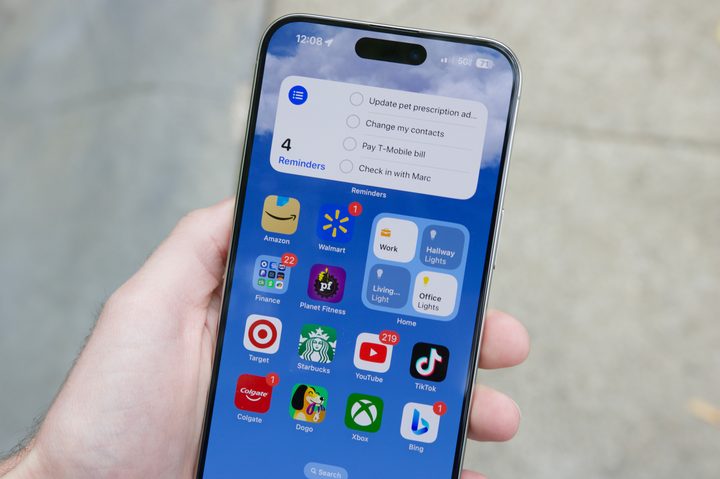
iOS 17 interactive widgets on an iPhone 15 Pro Max.
Joe Maring / Digital Trends

If you’re someone who uses an iPhone, you’ll want to pay attention to a new software update Apple just released today. Why? It adds an important new security feature to your iPhone.

The update in question is iOS 17.3, and the hallmark feature it adds is a new tool called “Stolen Device Protection.” Announced in December, Stolen Device Protection makes it harder for thieves to access your iPhone if it’s lost or stolen. As Apple describes it, “this new feature adds an additional layer of security in the unlikely case that someone has stolen your phone and also obtained your passcode.”

Recommended Videos

Using Stolen Device Protection is pretty simple. Once you have iOS 17.3 on your iPhone, open the Settings app and select Face ID & Passcode. After confirming your identity, scroll down to the section titled Stolen Device Protection and select Turn On Protection. That’s it!
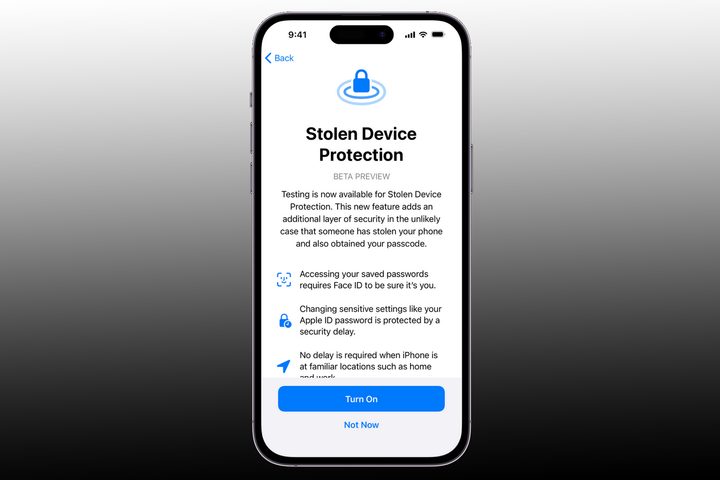
Stolen device protection feature on iPhone.
Digital Trends

Once enabled, you’ll get a lot more peace of mind in the event of a misplaced iPhone. If your iPhone detects that it’s in an unusual location, it’ll require Face ID (or Touch ID) authentication if someone is trying to access your saved passwords. Furthermore, any attempts to change “sensitive settings” (such as your Apple ID password) are hit with a security delay.

While Stolen Device Protection is the biggest new feature in iOS 17.3, there are some smaller additions, too. The update also adds playlist collaboration tools in Apple Music, AirPlay support for certain hotel TVs, optimizations to Crash detection, and more.

To check for the iOS 17.3 update on your iPhone right now, open the Settings app, select General, and then select Software Update. Upon doing so, iOS 17.3 should appear automatically and be available to download.

Joe Maring
Joe Maring has been the Section Editor of Digital Trends' Mobile team since June 2022. He leads a team of 13 writers and…
The Minimal Phone 2 looks dramatically better than the original, and I’m genuinely here for it
Plastic is out, metal is in, and Minimal Phone 2's renders suggest the digital detox phone concept finally has the hardware to match its ambition.
Electronics, Mobile Phone, Phone

I've been following the Minimal Phone since its initial crowdfunding days. The first iteration had the right idea trapped inside the wrong body, I’d say. Plastic build, no 5G, an underwhelming camera, and e-paper ghosting that frustrated early adopters; all these issues kept the phone from reaching a wider audience. 

Now, founder Armen Youssefian has posted what appears to be a 360-degree render of the Minimal Phone 2 on X, and from what I can see, the team has done its homework.

Read more
The EU says TikTok still isn’t doing enough to protect kids
Regulators say the platform's privacy settings don't go far enough under the Digital Services Act.
TikTok Creative Featured

The European Commission has accused TikTok of falling short on protecting minors, saying the platform's current account settings don't meet the child safety standards required under the Digital Services Act (DSA). The findings are preliminary, but if upheld, TikTok could face a fine of up to 6% of its global annual revenue.

Why the EU thinks TikTok isn't doing enough

Read more
Qualcomm is set to ratchet up chip prices in September, and your next gadget upgrade could bear the brunt
The price hike could touch every Snapdragon-powered device category.
The new Qualcomm Snadragon 8 Elite Gen 5

I want you to sit with this for a second. Qualcomm, the company whose Snapdragon chips sit inside your Android phone and tablet, your Windows laptop, your Meta smart glasses, your Galaxy Watch, and your wireless earbuds, reportedly sent a letter to every major customer telling them prices are going up by double digits. 

The price hike will be in effect from September 1, 2026, a recent Bloomberg report claims. Essentially, all the companies placing their chip orders after that will pay a higher price. 

Read more