1. Home
  2. Cars
  3. News

Your car insurance company knows more about you than you think

Add as a preferred source on Google

Your car insurance provider apparently knows much more about you than you might think — and it’s using that information to inform your rates. According to a new report from the New York Times, new cars with internet-enabled features are tracking your driving habits, and that data is being shared with data brokers who then sell the information to car insurance companies.

This is all done regardless of the driver’s involvement. These days, when you buy a car, you often have the option to lower your insurance rates by downloading an app and letting your car track things like how harshly you brake and how you take corners. However, data collection happens regardless of whether you opt in to those features or not.

Recommended Videos

The report notes that major carmakers, like General Motors, Ford, Kia, and Suburu, share data with brokers, like LexisNexis and Verisk, who then analyze it and pass it on to insurance companies. The insurance companies then use it to determine a “risk score” for a driver — which then factors into the rates that insurance companies charge drivers.

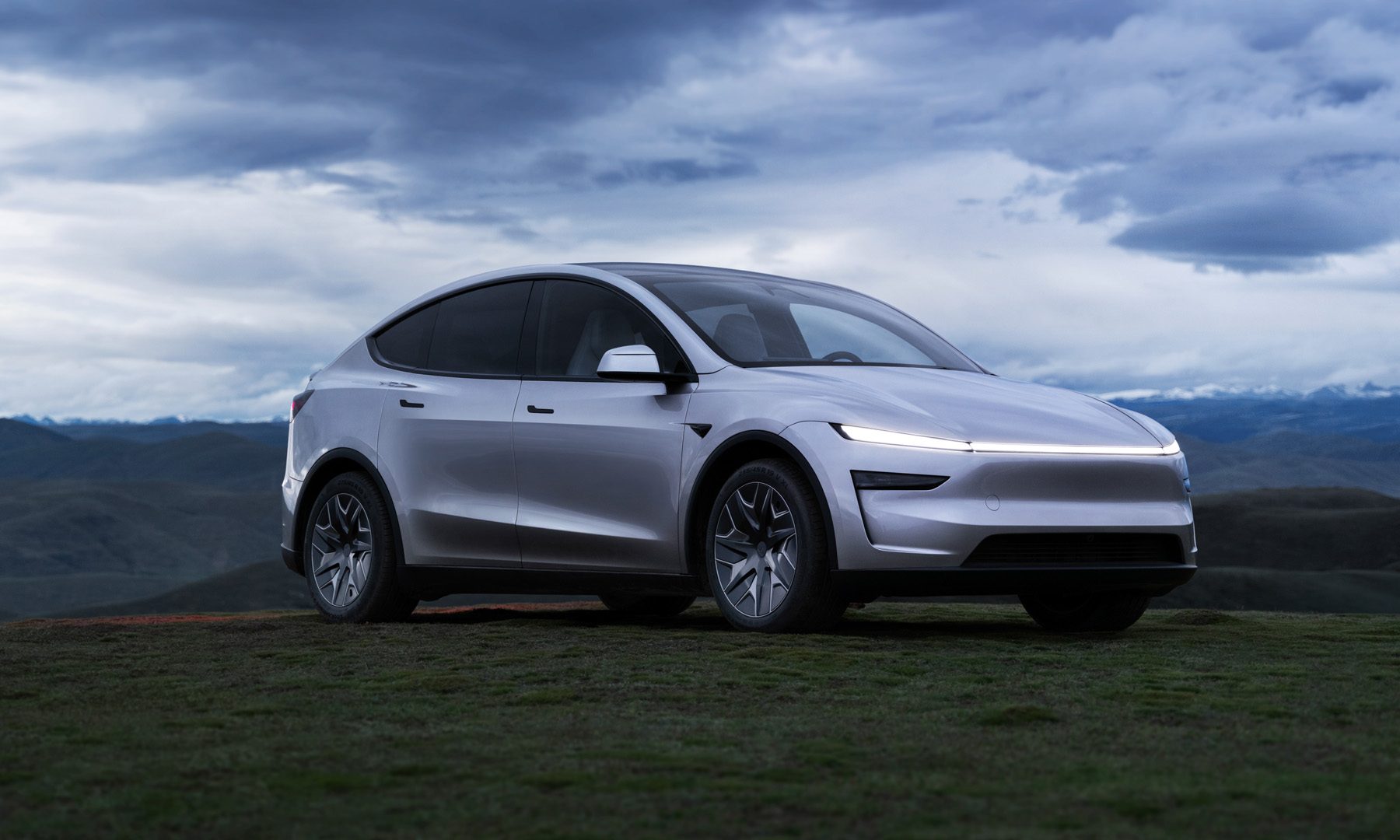
A Tesla Model 3 electric car.
Tesla / Tesla

The news isn’t all that surprising, though it is disappointing. Last year, a report from Mozilla noted that cars are the “worst product category” Mozilla has ever reviewed for privacy. In fact, according to the report, cars are tracking not only driving habits and location, but also metrics like biological characteristics, sexual orientation, sex life, genetic data, and more. All carmakers are guilty of this, too — with Tesla being among the worst offenders.

Thankfully, there does seem to be some traction toward regulating the kinds of data that carmakers can collect. U.S. Senator Ed Markey (D-Massachusetts) recently wrote a letter to the Federal Trade Commission (FTC) arguing that there aren’t enough limitations on carmaker data collection.

“I write to urge the Federal Trade Commission to investigate the data privacy practices of auto manufacturers,” said Markey in the letter. “With new advances in vehicle technology and services, automakers have been vacuuming up huge amounts of data on drivers, passengers, and even individuals outside the vehicle. Based on public reporting and responses to my own inquiries into these practices, automakers face few, if any, limitations on the collection, use, and disclosure of this data. Consumers are often left in the dark.”

Christian de Looper
Christian de Looper is a long-time freelance writer who has covered every facet of the consumer tech and electric vehicle…
Waymo’s driverless cars keep getting parking tickets in Austin, and humans aren’t the only ones complaining
Waymo vehicles have collected $9,325 in Austin fines as repeated parking mistakes turn into a fleet-wide operational problem
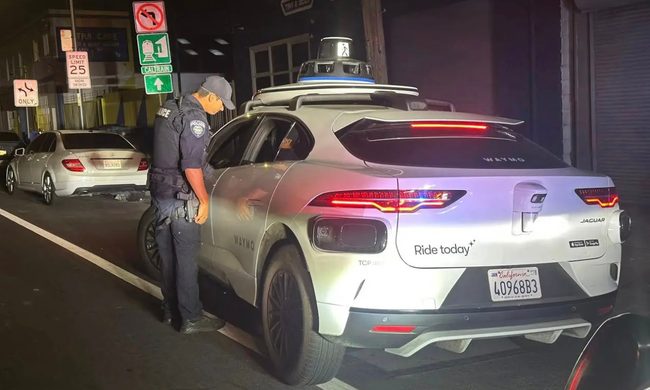
A police officer investigating an empty Waymo car.

Waymo’s 83 parking citations in Austin don’t amount to a financial crisis. They do reveal what happens when the same driving decisions are repeated across an autonomous fleet.

City records obtained by The Wall Street Journal show that Waymo vehicles have accumulated $9,325 in fines since arriving in 2024. The company has paid most of them, but the more revealing detail is how often its cars have made the same mistake.

Read more
Google Maps’ biggest Android Auto upgrade is reaching more users
Google Maps is finally giving Android Auto users directions with a little more drama.
Electronics, GPS, Car

Google is widening the rollout of two long-awaited Google Maps features for Android Auto users: Immersive Navigation and a built-in live speedometer. After months of limited availability, reports suggest both features are now reaching a broader group of users, including people running stable versions of Google Maps instead of beta builds.

The update is part of Google's ongoing effort to modernize the Android Auto navigation experience. While the company unveiled Immersive Navigation earlier this year as one of the platform's biggest upgrades in years, the feature has been trickling out slowly, leaving many users without access. That appears to be changing, with more devices now receiving the update through a server-side rollout.

Read more
Tesla’s hidden door problem might end up fixing every car in America
This could permanently change how emergency exits are designed in American passenger vehicles.
Tesla Model Y Long Wheelbase Featured

Tesla's electronic door handles have been a safety talking point for years, mostly on Reddit threads and EV forums where people debate whether sleek design is worth the tradeoff when a car is on fire and power is out. 

Now the US government has formally weighed in (via The Washington Post). The outcome, I’d say, is bigger than most people think.

Read more