1. Home
  2. Audio / Video
  3. How tos

How to tell if your AirPods are fake. Yes, counterfeits are out there

Add as a preferred source on Google
The third-generation Apple AirPods, outside of their charging case.
Digital Trends

Apple AirPods are incredibly popular, whether you're the proud owner of the latest AirPods Pro 2, AirPods (3rd generation), or AirPods Max, or even some of the ubiquitous brand's older models. Unfortunately, there are many counterfeit AirPods circulating. Fortunately, you can do a few things to ensure you have genuine AirPods before or after purchase.

Recommended Videos

Difficulty

Easy

Duration

5 minutes

What You Need

  • A pair of Apple AirPods

  • iPhone or other iOS device

Apple AirPods Pro 2 with USB-C and MagSafe review
Zeke Jones / Digital Trends

Check the serial number

Every pair of AirPods comes with a unique serial number, which can be checked for validation using Apple’s coverage checking tool. Here's how.

Step 1: The serial number can be found either on the original box or on your paired device, such as your iPhone. To see it on your iPhone, put the AirPods in your ears and go to the Settings app.

Step 2: Select your AirPods listing and scroll down to find the Serial number.

Step 3: With this number, visit Apple’s coverage checking tool. Add the serial number and CAPTCHA on that page, then click Continue.

A screenshot showing the Apple coverage page for AirPods.
Bryan M. Wolfe / Digital Trends

Step 4: If your AirPods are genuine, the following page will display warranty information. If Apple does not have a valid purchase date, you may need to provide this information before the site shows the warranty information.

screenshots showing AirPods information on iPhone.
Bryan M. Wolfe / Digital Trends

Use your iPhone or iPad

If you want to verify the authenticity of your AirPods, there’s another way to do it with one of your iOS devices.

Step 1: Place your AirPods next to a compatible device, such as an iPhone or iPad, and ensure Bluetooth is activated.

Step 2: If the AirPods are already paired with your device, you should see a message on the screen displaying the battery information for your AirPods. If they are not yet paired, the message will ask if you wish to pair them to your device.

Step 3: For this to work, your AirPods must be charged and in the case with the AirPods case open. Fake AirPods will not activate either of these pop-up screens.

An iPhone 14 displaying the Amazon Music app with a Dolby Atmos Music playlist, next to a set of Apple AirPods Max headphones.
Simon Cohen / Digital Trends

Buyer beware

For a safe and secure purchase, it is recommended that you buy directly from reputable sources like Apple or trusted third-party retailers like Amazon and Best Buy. Purchasing new products through companies like Swappa and eBay is fine, assuming the person selling the item has a good reputation on the site.

Apple products are rarely discounted, so if the price seems too good to be true, it probably is. Apple seldom offers discounts directly, and third-party retailers typically offer modest discounts. If you see a pair of “new” AirPods for 50% off, walk away quickly. It’s probably somebody selling a fake pair.

It’s important to pay attention to the packaging when buying new AirPods. The box should have plastic shrink wrap around it, which indicates that it has not been opened before. If you’re purchasing from a third-party retailer, be aware that the wrap may be missing if the item has been returned to the store. However, the retailer should have clearly labeled the item as new but returned or "open box" in a situation like that.

Bryan M. Wolfe
Former Mobile and A/V Freelancer
Bryan M. Wolfe has over a decade of experience as a technology writer. He writes about mobile.
Stop joining group projects with a blurry laptop webcam and buy one of these instead
Your laptop webcam is sabotaging your first impression. These five can fix it
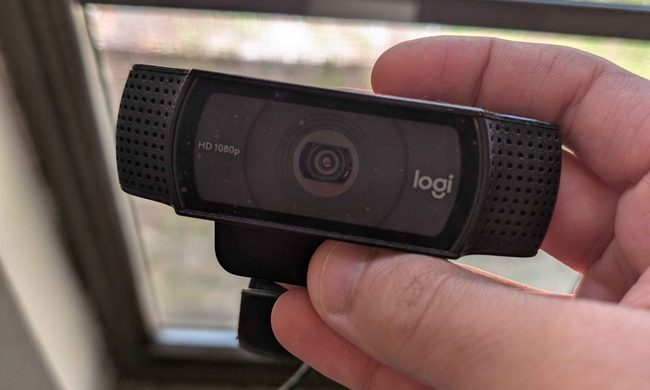
I'm holding my Logitech C920 1080p webcam in my hands.

The webcam built into your laptop might be good enough for a quick call with friends and family. But its shortcomings become much harder to ignore when you are presenting a semester project, interviewing for an internship, or maybe if you're planning to stream for fun.

Laptop cameras also tend to sit far too low, especially when the computer is placed directly on a desk. Meanwhile, a dedicated webcam lets you position the camera closer to eye level. This improves the framing and brings larger sensors, better microphones, and more effective low-light processing.

Read more
I desperately want a new classic Walkman, but Sony probably can’t give me one
Tech minimalism is begging for a new Walkman. Though rebuilding it may be close to impossible
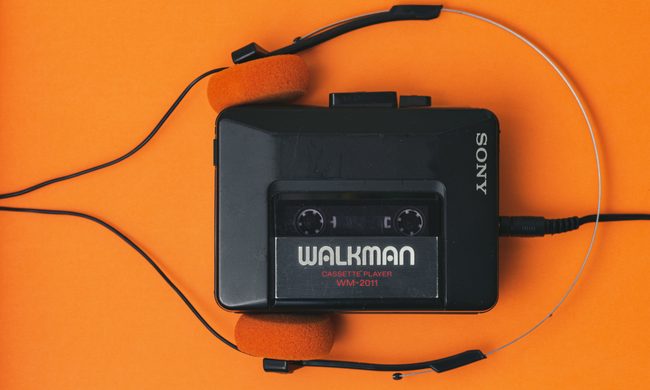
Sony Walkman WM2011

Every few months, another piece of tech that seems obsolete crawls out of a drawer and becomes cool again. The age of minimalism has revived the popularity of iPods among younger buyers. Dumbphones have become an escape hatch from endless notifications. Similarly, digital cameras are dangling from bags again. Physical media keeps attracting people who want something they can actually hold instead of another frustrating subscription.

All of this makes it the perfect time for Sony to bring back the classic Walkman, which was a phenomenon during the 80s and 90s. I would love one. Give me a compact cassette player, physical buttons, and wired headphones. Keep the apps, notifications, and algorithms that shape your taste of music. No more AI assistants or personalzied feeds, just you and your Walkman. There is only one problem though. Recreating the Walkman that people love and remember, would be far harder than putting an old design back into production.

Read more
Proton reveals how smart TVs track you and the escape situation is pretty grim 
Modern smart TVs fingerprint your screen content at the chipset level.
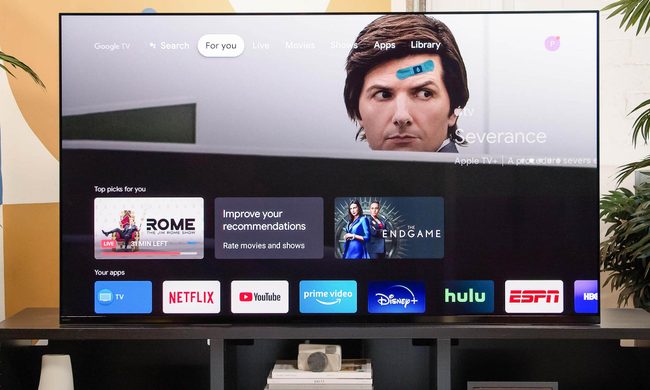
Google TV applications on the Sony A95K TV.

Your smart TV may know far more about your viewing habits than you realize, even if you rarely use its smart features. In a new privacy explainer, Proton warns that many modern TVs quietly collect data about everything displayed on the screen and share it with manufacturers, advertisers, and analytics companies.

The worrying part is that escaping this tracking is becoming increasingly difficult because many privacy controls are buried deep in settings or enabled by default. Proton argues that buying a smart TV today often means accepting a level of surveillance that most people never knowingly signed up for.

Read more