1. Home
  2. Computing
  3. News

It’s time to add one more service to the Google graveyard

Add as a preferred source on Google

Google is killing yet another service: the Google URL Shortener. As Dare Obasanjo comments on X, any links using the goo.gl shorter will break after August 25, 2025.

When Google offers a service, millions of people use it and it becomes embedded in every corner of the internet — and then when Google kills a service, countless things break, and it causes a whole lot of inconvenience for a whole lot of people.

Recommended Videos

Unfortunately, Google doesn’t seem to concern itself with this pattern, and now it’s killing the URL shortener just like it killed the One VPN service, the Google Podcasts app, the Google Hangouts app, and many others.

And yes, the correct term is “killing,” not “sunsetting.” Oh, and if you’re wondering what else Google has killed over the years, there’s a website for that.

https://twitter.com/carnage4life/status/1814109968918008075?s=46

Now, technically the Google URL Shortener service has been dead for a while — it stopped letting people create new links in 2018. However, in that announcement post, it did also say “while most features of goo.gl will eventually sunset, all existing links will continue to redirect to the intended destination.” That’s Google’s bolding, not mine.

Fast forward six years, however, and Google is now telling us all our shortened links are going to return 404s after August 25, 2025. Well, great, thanks Google.

To make the transition easier for us, from next month on, goo.gl links will start displaying an interstitial page when you click them, reminding you that they’re going to break in a year. Except that those interstitial pages will probably break any redirect flows and mess with social metadata, so — well, those particular links will just break next month, I guess.

On a serious note, if you still have any goo.gl links lying around for whatever reason, you can use one of the many other link-shortening services out there to replace them or just leave them long if you’re concerned about their security. And do it soon, because interstitial page or no, people are bound to forget about it if they leave it too long.


Willow Roberts
Willow Roberts has been a Computing Writer at Digital Trends for a year and has been writing for about a decade. She has a…
Lenovo’s new gaming laptop is the first to feature a 240Hz inkjet-printed OLED display
TCL’s inkjet-printed OLED technology finally reaches a commercial laptop through Lenovo
Computer, Electronics, Laptop

TCL has spent years saying inkjet-printed OLED could improve image quality, efficiency, lifespan, and manufacturing costs. Back in 2024, the company was still showing prototype laptop panels and promising a “comprehensive breakthrough” once the technology was ready for commercial products.

Two years later, it has finally arrived in a gaming laptop. Lenovo’s new Legion R9000P uses a 16-inch panel that TCL CSOT describes as the world’s first inkjet-printed OLED display integrated into a laptop.

Read more
This new Mac malware won’t let you use your computer until you surrender your password
This Mac malware turns your own computer against you
AI Generated Image

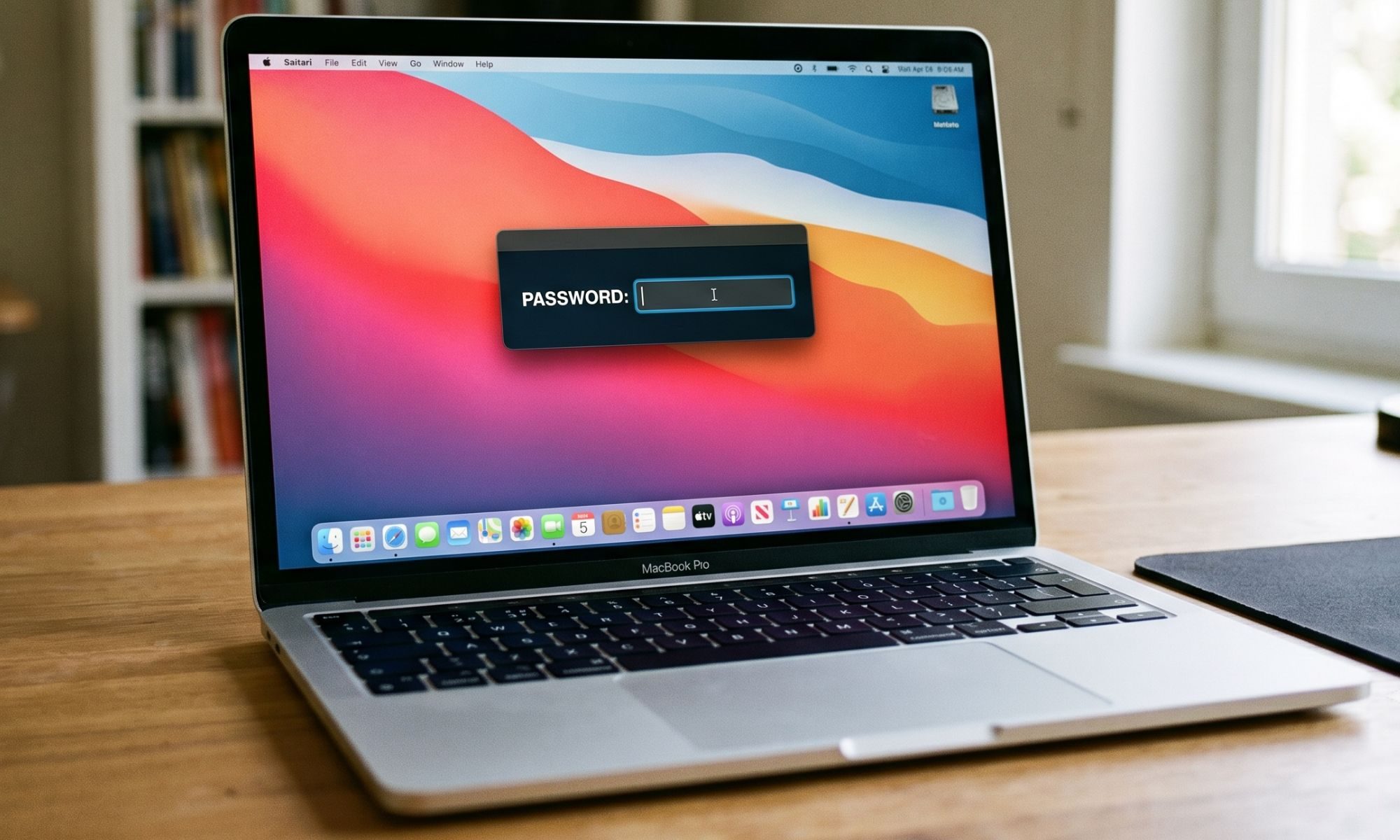
A newly discovered strain of macOS malware is taking social engineering to an unsettling new level. Instead of exploiting a software vulnerability or silently stealing information in the background, it simply refuses to let you use your Mac until you type in your login password.

Dubbed ClickLock, the malware repeatedly shuts down key macOS processes, disables notifications, displays convincing Apple password prompts, and effectively traps users in a loop that only ends when the correct password is entered. Once that happens, it doesn't just steal the password. It goes after browser data, cryptocurrency wallets, saved credentials, password managers, and much more.

Read more
1Password lets Claude inside your accounts without handing over the keys
Claude can now sign in on your behalf while your password stays hidden, though trusting it after login is a separate decision
1Password official

1Password is giving Claude a way into your online accounts without making your passwords part of the bargain. The new 1Password for Claude integration can fill login details while keeping the credentials hidden from Anthropic’s AI agent.

Available now on Mac, the feature kicks in when Claude reaches a sign-in page during a task. Claude requests a saved login, then you approve or deny it. If approved, 1Password submits the credentials through a separate encrypted channel. Passwords and one-time codes never enter Claude’s context or Anthropic’s systems.

Read more