Google has announced its largest range of new phones ever under the umbrella of the Pixel 9. Composed of the Google Pixel 9, Pixel 9 Pro, Pixel 9 Pro XL, and the foldable Pixel 9 Pro Fold, this is the most advanced and largest Pixel range ever. If you’re looking to buy a new Android phone, then these are likely to be near the top of your list to check out.
These new phones sport a close link to Google’s Gemini AI and the most advanced cameras we’ve ever seen on a Pixel device — but do they have everything? Do they, unlike most flagship phones in 2024, have headphone jacks? We know, and we’re about to tell you.
Does the Pixel 9 have a headphone jack?

So, is there a headphone jack? No. That’s a wrap; thanks for coming, everyone — remember to tip your waitress.
None of the Pixel 9 phones have headphone jacks, not even the massive Pixel 9 Pro Fold, one of Google’s biggest phones. Outside of the USB-C port, there’s no extra port on any of these phones, which is likely to be a disappointment for anyone still hanging onto their wired headphones.
It’s not much of a surprise. Google hasn’t included a headphone jack on a flagship Pixel phone since the very first Pixel, which means it’s been almost six years since the venerable port was axed by Google. The Pixel A range kept hold of the port for a while longer, but it eventually disappeared by the time of the Pixel 6a.
So, really, that was all she wrote for the headphone jack on Pixel phones. We don’t expect we’ll ever see the port back in another Google-built smartphone.
What are the best ways to listen on your phone then?
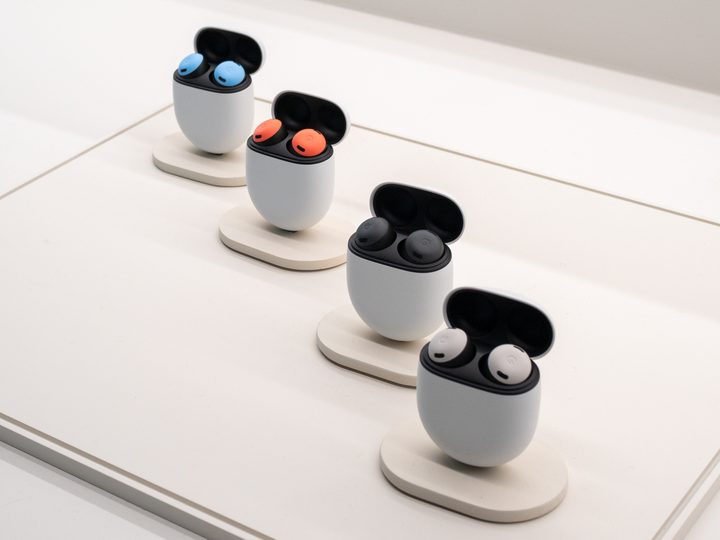
Does not having a headphone jack mean you have no choice but to never listen to music on your phone ever again? No, not at all. There exist a number of ways to connect headphones or speakers to your phone that don’t require a headphone jack.
The first and most popular method is through a Bluetooth connection. While this lacks the high-definition connection that audiophiles love, most people will be fine with the quality Bluetooth 5.3 allows for. Plus, losing wires means there are no more annoying snags when you move around. On the downside, you need to keep Bluetooth headphones charged separately from your phone, so they’re not quite as convenient as wired headphones. Still, the positives outweigh the negatives in our opinion.
Bluetooth headphones used to be quite pricey, but that’s no longer the case. Sure, getting a high-spec pair will cost you, but you can get great pairs for less than you might think. Check out our list of the best Bluetooth earbuds to see what great options are out there. Prefer a set of cans? We also have a list of the best Bluetooth headphones too.
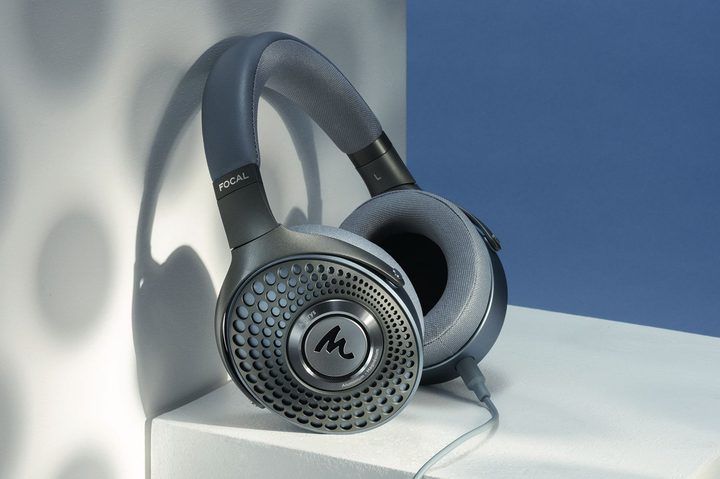
But perhaps you have a really nice pair of wired headphones. We get it; there are some really nice ones out there. Thankfully, there are ways you can keep using them with your new phone. While they no longer come bundled with phones, USB-C to 3.5mm adapters still exist, and one can be used to connect your headphones to your phone.
Just like Bluetooth headphones, we have a list of the best USB-C to 3.5mm adapters around, so you can check those out and attach one to the end of your wired headphones. Then, you’ll be able to use them just like before, but plugging into the USB-C slot instead. Unfortunately, that does mean you won’t be able to charge your phone at the same time unless you use a wireless charging pad.