Retro games are back in fashion. Over the past several years, many developers have made a name for themselves by releasing high-quality remasters, collections, or ports of gaming classics. These retro revivals go above and beyond, adding quality-of-life visual and gameplay enhancements and featuring museums full of information on the games’ creation. These rereleases do a net good for the video game industry, but there’s a catch for developers: They require proprietary technology.
Many of the studios behind these retro revivals have created emulation engines of their own to make the work they do possible. Nightdive Studios’ KEX Engine and Limited Run Games’ Carbon Engine might be the most famous, but the Eclipse Engine from Digital Eclipse and Implicit Conversions’ Syrup Engine are also doing good work. Without these game engines, recent releases like Doom + Doom II, Micro Mages, Llamasoft: The Jeft Minter Story, and Tomba: Special Edition would not be possible.
I spoke to these developers to gain more insight into why they are creating these game engines and frameworks to bring retro games back. I found commonalities in their responses. They all had a penchant for creating more easily accessible, modern frameworks that could make retro games feel at home on modern platforms.
KEX Engine – Nightdive Studios
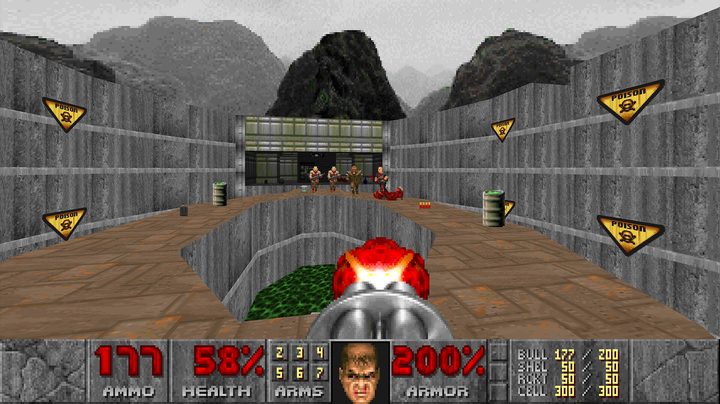
Nightdive Studios has made a name for itself over the past several years with remasters of first-person shooter classics. Its most recent release is Killing Time Remastered. In an interview following the release of Doom + Doom II, Larry Kuperman, Nightdive’s director of business development, explained that the studio’s vision for its remasters is that they “should look and feel the way you remember the original game looking and feeling.” I think that a main goal any developers working on these retro rereleases can get behind.
To achieve this vision, Nightdive created the proprietary KEX Engine. Nightdive’s Xaser Acheron calls KEX an “incredibly flexible” engine that allows Nightdive to essentially plug in the game they’re remastering and work on the kinds of integrations needed for a modern rerelease of a classic. Some, like Doom + Doom II, even use the same renderer of the game they’re remastering, which is why they look so accurate to the originals, even with all of their enhancements.
KEX Engine also provides the studio the leeway to expand on these classics, whether through quality-of-life improvements, new content, or museum galleries featuring content from development. It’s one of the most consistently high-quality game engines out there. Kuperman says Nightdive doesn’t have plans to make it a more ambitious engine fornew games anytime soon. Regardless, it’s already quite effective at achieving Nightdive’s primary goal.
Syrup Engine – Implicit Conversions
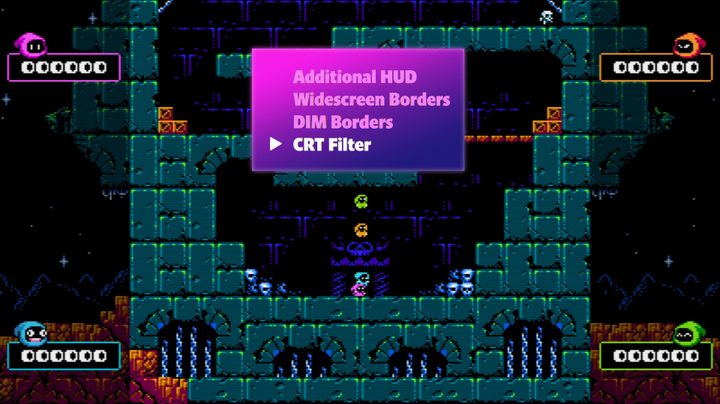
Implicit Conversions, best known for its work on the PS Plus rereleases of classic PlayStation titles, is also making an emulation engine of its own. It’s called Syrup Engine, and a game using it just came out this week. That game is Micro Mages, which was originally designed for NES, but is now available on PlayStation 5, with added online game lobbies using rollback networks, rumble and widescreen support, and more, all thanks to Syrup Engine.
Implicit Conversions CEO and co-founder Robin Lavallée tells Digital Trends that the team needed to create its engine because commercial emulators for consoles are rare, and those that exist are “usually protected by [nondisclosure agreements].” Syrup Engine enables developers to port retro games forward while adding new features like widescreen support, save states, and more. It utilizes ahead-of-time compilation to get this done and features an automated test system that automatically takes screenshots of emulated games and compares them to reference screenshots of the original. Implicit Conversions wants to create an engine where developers won’t face as many hurdles when bringing games forward.
“I like to think of the Syrup engine trying to find its place, similar to how Unity, Unreal, GameMaker, and now Godot have been created to enable thousands of game developers to create games. It democratized the development of games,” Lavallée explains. “We are hoping to achieve a similar goal for retro and classic gaming by creating and providing technology that will allow game developers to efficiently port games through emulation.”
Eclipse Engine – Digital Eclipse

Digital Eclipse is known for its Gold Master series of video game collections, which also serve as interactive exhibits that provide historical context for the featured games. To achieve this, Digital Eclipse uses an engine it calls Bakesale internally (it’s named after the Oakland fried chicken spot Bakesale Betty). Publicly, this is known as the Eclipse Engine, and it’s a framework Digital Eclipse’s engineers can work within to enhance older games for modern platforms or create entirely new versions of classic games like Tetris.
“It’s a framework that gives our engineers the tools they need to easily integrate emulation technology from multiple sources, and then build on top of that,” editorial director Chris Kohler tells Digital Trends. “At a basic level, it lets us integrate functionality like save/load and rewind. Additionally, if you look at games like Yars’ Revenge Enhanced in Atari 50: The Anniversary Celebration, or Gridrunner Remastered in Llamasoft: The Jeff Minter Story, those are examples of how we can add layers on top of the emulated games to create a totally new audiovisual experience while maintaining the core original game underneath.”
For Digital Eclipse’s efforts specifically, Kohler also explains that Bakesale has the internal tools necessary to enable its collections’ timeline. Because it’s so tailored to Digital Eclipse’s specific needs, Kohler says Digital Eclipse doesn’t need “to reinvent the wheel every time.” Every game is different, and the resources developers might have to assist in a remaster or rerelease of them vary. Technology like the Eclipse Engine makes that complex process of creating something like Tetris Forever a little less daunting.
Carbon Engine – Limited Run Games

Limited Run Games is a company at the epicenter of modern physical releases and revivals of retro classics. In recent years, it’s made a more active effort to get into game development and publishing, restoring series like Rocket Knight for publishers with a vast back catalog of retro games like Konami. It has done so with the Carbon Engine, which Joe Modzeleski, Limited Run Games development director, called “a game development environment used to interface emulators, modified ROMs, and custom front-ends with modern platforms” in a statement to Digital Trends.
Modzeleski wants Carbon Engine to provide developers with “an avenue to utilize their legacy back catalog without similar financial risks,” likening it to their efforts with physical games. The Carbon Engine enables enhancements similar to those we’ve seen from the other engines on this list, such as widescreen support. Like every developer I spoke to about this, Limited Run Games wants to revive retro games to be a more achievable process.
“The development cost of starting up and doing the foundational work to emulate a variety of old platforms on modern systems is an expensive undertaking, and is difficult to justify financially on individual titles,” a representative from Limited Run Games says. “Providing an option where we’ve already done that groundwork has made it viable for games to come back that otherwise would not have.”

Limited Run Games may be the most engine-ambitious of the developers I spoke to, as it voices its intentions “to continue expanding what platforms the Carbon Engine supports and make the development environment more friendly to be used both by our internal team and external partners.” That approach ultimately sheds some light on why these emulation engines are becoming increasingly common in gaming.
As more developers focus on emulation and preservation, any technology that allows them not to have to redo development legwork and that can be shared between projects is a godsend. These engines are improving at simultaneously emulating games faithfully and adding modern quality-of-life enhancements that make classics even better, too. The retro video game revolution is here, and these game engines provide enough power to ensure it won’t end anytime soon.