1. Home
  2. Cars
  3. Emerging Tech
  4. News

EV incentives supported by 67% of Americans, survey finds

Add as a preferred source on Google
ev drivers support government incentives image
Image used with permission by copyright holder

While the incoming Trump administration is expected to end federal tax credits supporting electric vehicle (EV) purchases and leases, yet another poll is showing just how popular these EV rebates remain.

According to a survey by the California-based nonprofit Veloz, 67% of Americans say that the government, be it at the federal, state, or local level, should provide purchase incentives for EVs.

Recommended Videos

And should the Trump administration end federal incentives, 61% say they want state and local governments to step in and boost their support for EVs.

That’s pretty much what California has already said it will do: Governor Gavin Newsom has announced that should the new administration end federal support, he will revive the state’s EV tax rebates.

Unsurprisingly, behind consumers’ rationale for supporting government incentives lies the issue of costs: When participants in the Veloz poll were asked what might prevent them from buying an EV, the top concern was “cost to buy” for 48.4% of those surveyed.

On the flip side, cost savings on gas is the main reason for choosing an EV for 51.9% of the survey’s participants.

A recent study by J.D. Power also showed that federal tax credits have played a critical role in consumer decisions regarding EVs: 64% of premium brand EV owners and 49% of mass-market EV owners say that incentives were a primary driver of their decision to purchase or lease their EV. More specifically, the J.D. Power survey found Volkswagen, Chevrolet, and Tesla owners were the most heavily influenced by the incentives.

Should government incentives disappear, a key question for American consumers is whether the increasingly intense global competition among manufacturers will continue to exert downward pressure on prices stateside.

Chinese manufacturers, who produce the world’s most affordable EVs, have shelved plans to directly enter the U.S. market after the Biden administration slapped 100% tariffs on China-made EVs last September.

It remains to be seen how the tariffs, combined with the end of government incentives, will impact consumer demand.

Nick Godt
Former Freelance reporter
Nick Godt has covered global business news on three continents for over 25 years.
Google Maps’ biggest Android Auto upgrade is reaching more users
Google Maps is finally giving Android Auto users directions with a little more drama.
Electronics, GPS, Car

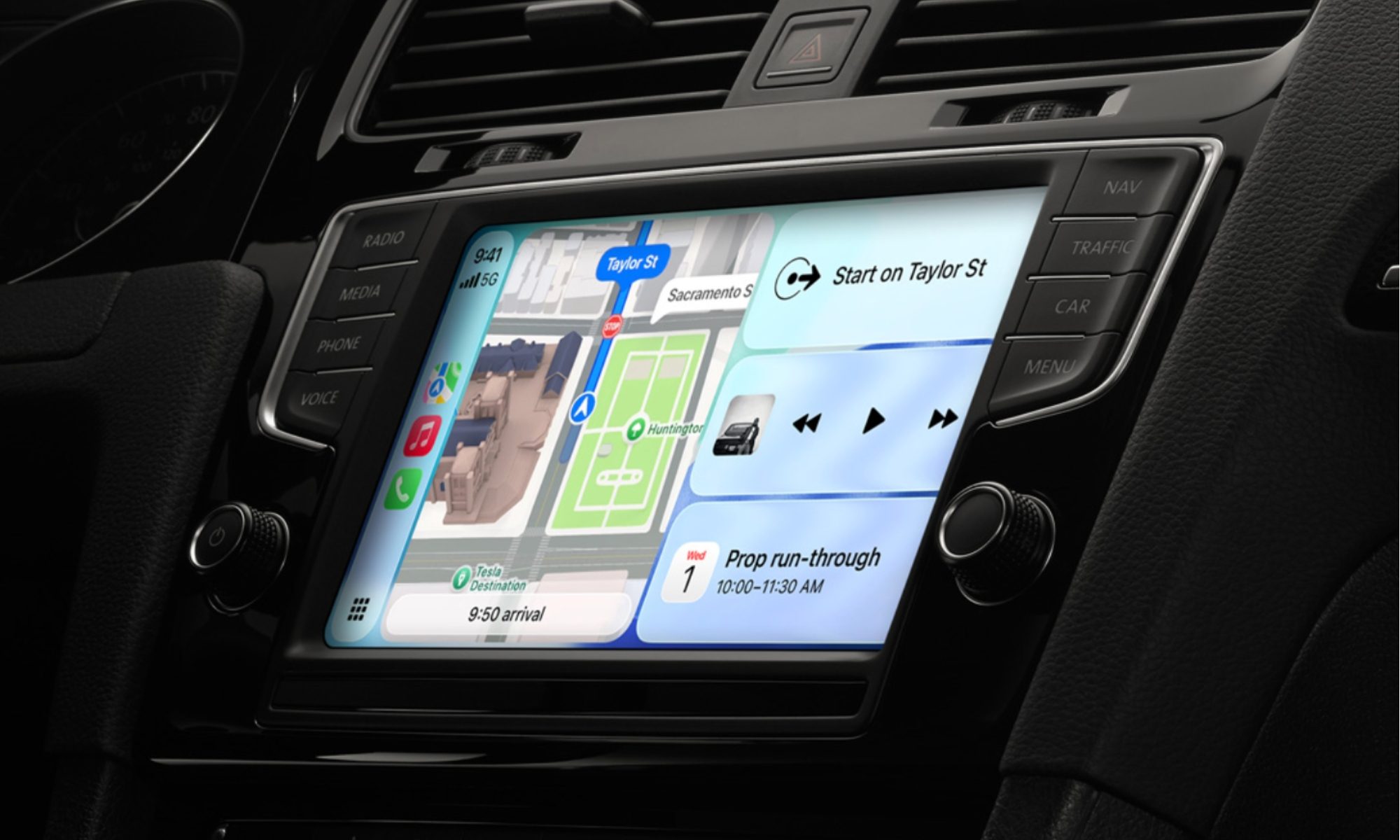
Google is widening the rollout of two long-awaited Google Maps features for Android Auto users: Immersive Navigation and a built-in live speedometer. After months of limited availability, reports suggest both features are now reaching a broader group of users, including people running stable versions of Google Maps instead of beta builds.

The update is part of Google's ongoing effort to modernize the Android Auto navigation experience. While the company unveiled Immersive Navigation earlier this year as one of the platform's biggest upgrades in years, the feature has been trickling out slowly, leaving many users without access. That appears to be changing, with more devices now receiving the update through a server-side rollout.

Read more
Tesla’s hidden door problem might end up fixing every car in America
This could permanently change how emergency exits are designed in American passenger vehicles.
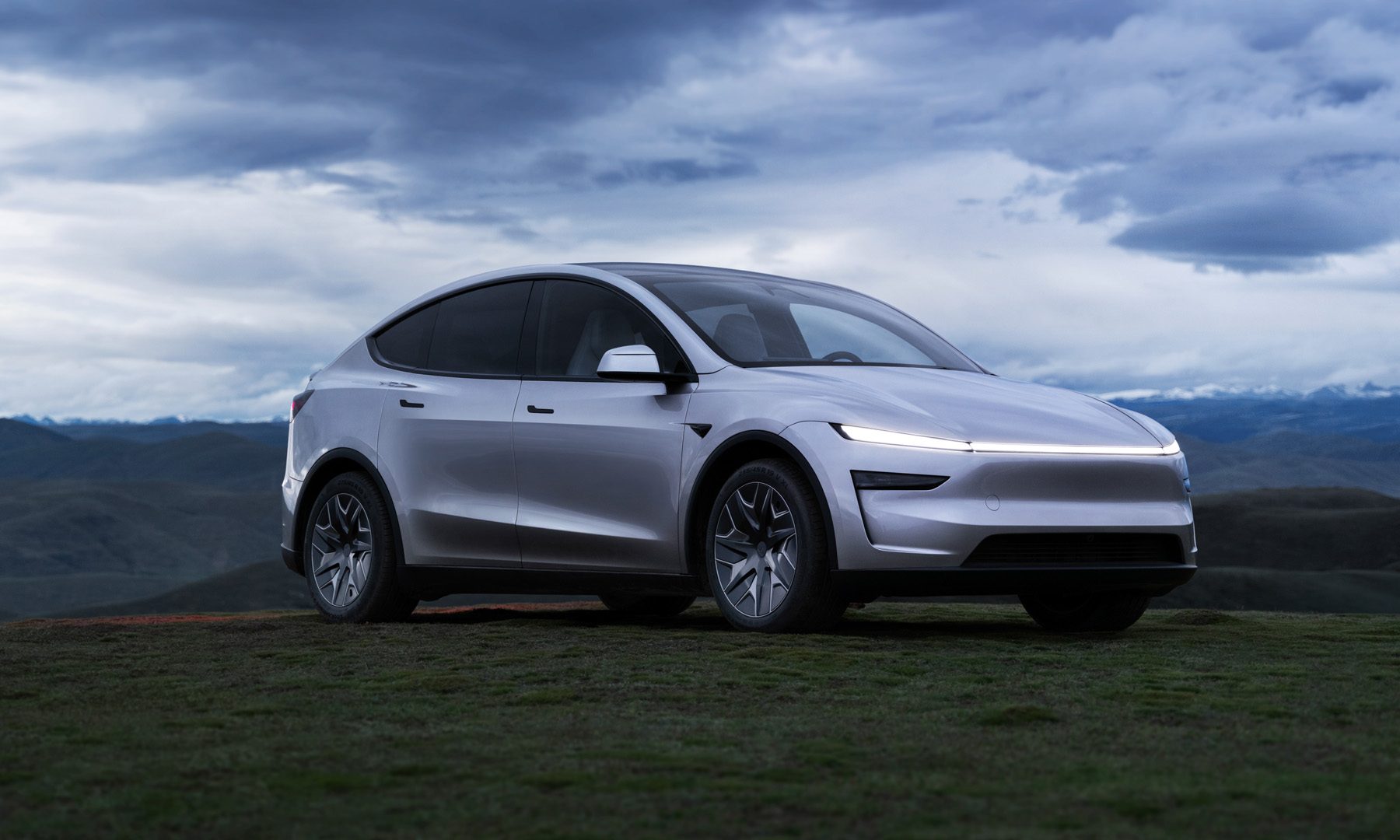
Tesla Model Y Long Wheelbase Featured

Tesla's electronic door handles have been a safety talking point for years, mostly on Reddit threads and EV forums where people debate whether sleek design is worth the tradeoff when a car is on fire and power is out. 

Now the US government has formally weighed in (via The Washington Post). The outcome, I’d say, is bigger than most people think.

Read more
Ford’s UEV platform will feature Apple Maps built in
The integration will run through Apple's new MapKit for Automotive SDK and skip CarPlay's phone-mirroring approach.
Car, Transportation, Vehicle

Ford's upcoming budget electric vehicle won't force you to choose between a built-in map and one borrowed from your phone. Apple announced today that Ford's Universal Electric Vehicle (UEV) platform will ship with Apple Maps running natively on the car's screens. The feature will arrive in 2027 through Apple's new MapKit for Automotive SDK, a toolkit that lets automakers build Apple Maps straight into their dashboards.

An infotainment system that doesn't need your phone plugged in

Read more