Over the past few years, virtual reality (VR) has emerged as a remarkably useful addition to the field of medical science. From offering physician training and helping people cope with pain to delivering at-home physiotherapy and reducing stress, VR platforms have proved to be of immense help.
The next VR breakthrough could help with the early detection of a well-known neurodegenerative disease. In its current form, the diagnosis of Alzheimer’s disease requires expensive neurological tests, brain scanning, blood analysis, and more. There is no single, or definitive, biomarker test.
A team of experts is now exploring how VR-based experiences can help assess spatial memory and check for signs of Alzheimer’s disease. Research shows the development of Alzheimer’s proteins affects a person’s memory and navigation functions. Or to put it more specifically, allocentric navigation and spatial memory.
How VR can help detect Alzheimer’s?
Cognitive tests for detecting signs of Alzheimer’s also rely on gauging episodic memory, but the usage of VR enables healthcare experts to check the brain’s memory functions in an even more granular and immersive fashion.
Due to weakening memory functions, people with Alzheimer’s commonly misplace objects, and this gets worse as the disease progresses, suggesting it could be an early sign of the illness. Alzheimer’s is also tied to the development of certain proteins in the brain, which helped researchers verify the efficiency of their VR-based detection system.
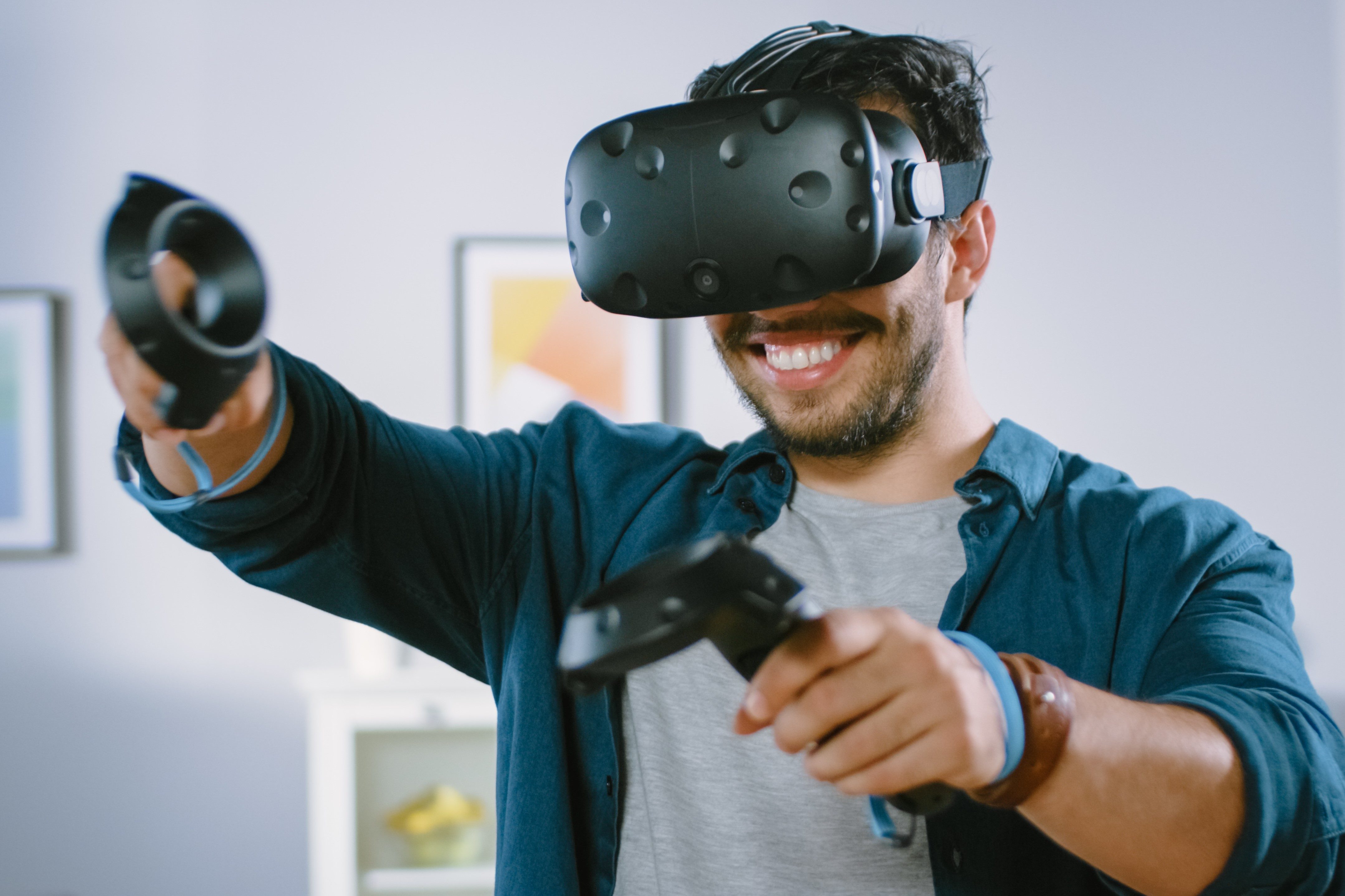
The team focused on plasma Aβ42/Aβ40 and pTau217 protiens as part of their VR test. They asked participants to remember the location of various objects in nearly two dozen virtual living rooms. Based on the memory performance and body fluid tests, the team discovered a link between these proteins and object location memory as well as location precision.
“We found decreased object location memory, as well as decreased precision for the object location memory, between young adults and older adults and unimpaired participants and those with mild cognitive impairment,” says Tammy Tran, a neuroscientist who presented her findings at the annual conference of the Cognitive Neuroscience Society (CNS) this month.
A more accessible future for Alzheimer’s detection
As part of their tests, the team tested healthy young (and old) people as well as folks diagnosed with Alzheimer’s disease. The latter category, showing symptoms of mild cognitive impairment (MCI), struggled with memory-related tasks in the VR atmosphere.
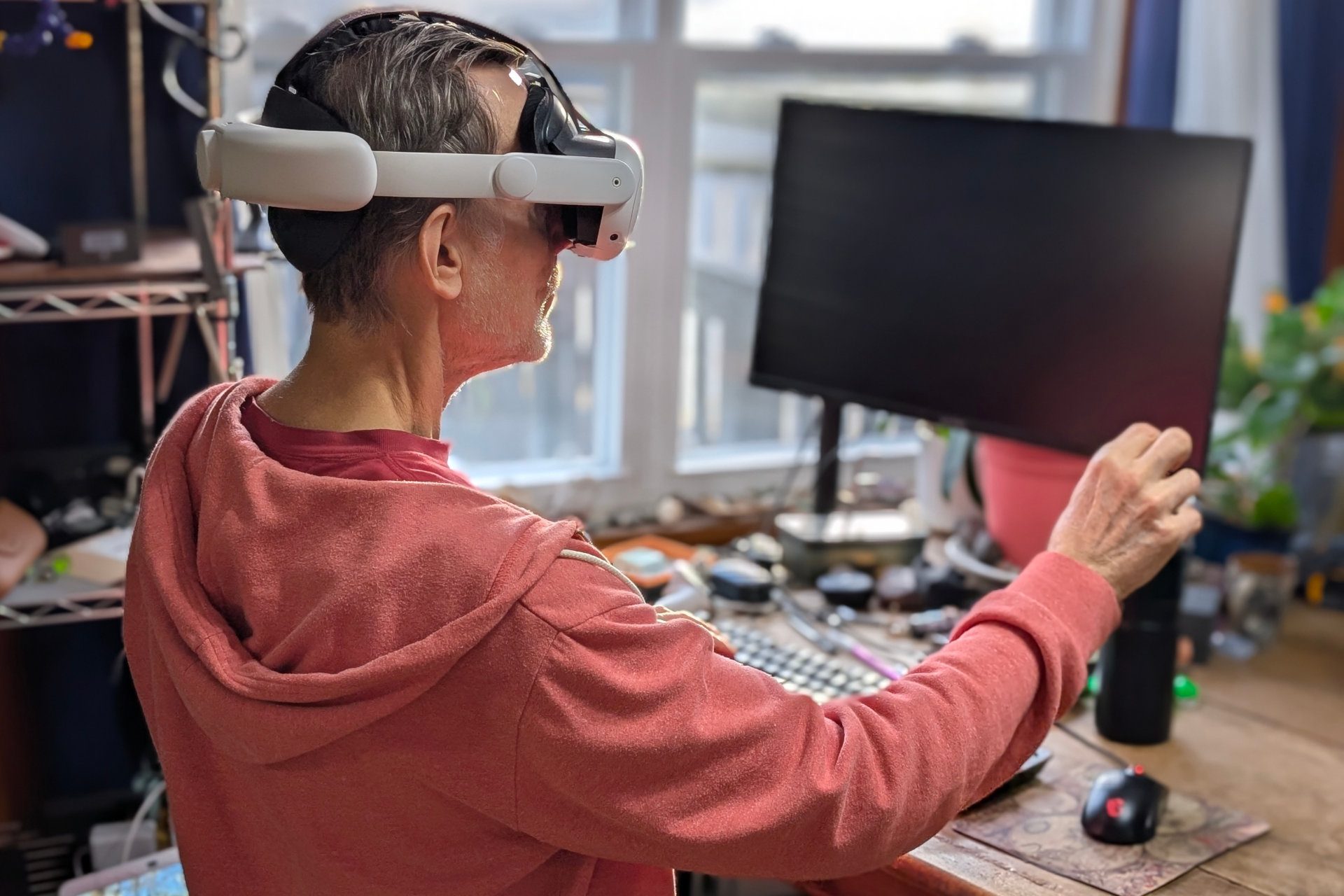
Experts behind the project developed VR gear equipped with head and eye tracking sensors, similar to those you will find on devices such as the Apple Vision Pro or the upcoming Meta Orion holographic smart glasses. In a separate test, healthy adults were asked to remember corridors and hidden landmarks in a VR space.
Following the tests, it was discovered that navigational abilities differ across different age groups. “We expect that the presence of different complexity levels across trials will amplify differences between younger and older participants, and between older participants and those diagnosed with early Alzheimer’s disease,” adds Manu Madhav, a robotics expert and neuroscientist who is also working on the project.
“Designed for use by both clinicians and caregivers, this tool will facilitate early AD detection, enable long-term monitoring, and guide restorative interventions,” the team adds. The overarching goal is to deploy VR as a non-invasive and immersive tool to measure age-related memory decline that is a clinical symptom of Alzheimer’s onset.