I knew this was coming — I just didn’t expect it to happen quite just yet. It turns out that some of the best processors are on their way toward retirement, because eight-core CPUs are slowly becoming the go-to, leaving their six-core counterparts in the rear view mirror. The information comes from a trustworthy source, too. Does this mean it’s time to ditch your six-core CPU, then? Not quite — but maybe. Below, I’ll explain why.
Eight-core CPUs finally overtake six-core chips in new report
CPU-Z is a system validator and a free profiling tool that gives you a lot of useful information about your computer’s hardware. Unsurprisingly, its main focus is on the CPU, with useful information such as the manufacturer name and model, number of cores, and clock speed.
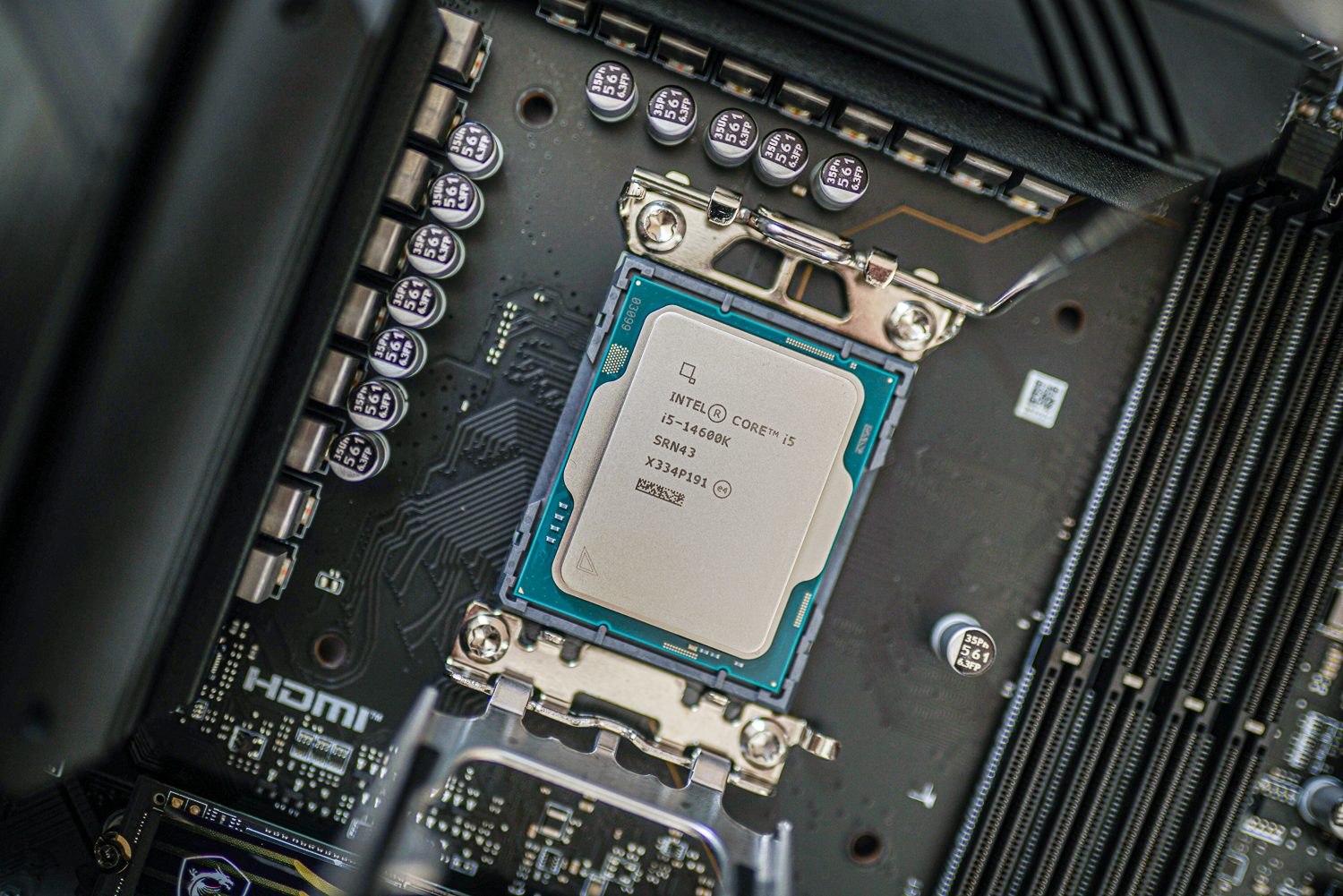
Today, CPU-Z released a new report based on its findings, and it’s clear that eight-core CPUs are on the rise — largely thanks to the success of AMD’s Ryzen 7 9800X3D (and its previous iterations). Intel’s last few generations tend to sport more cores, so only really budget-oriented CPUs offer just eight or fewer. For the rest of them, you’ll find more cores; for example, the Intel Core i5-14600K isn’t the priciest CPU in the world, but it still sports a total of 14 cores.
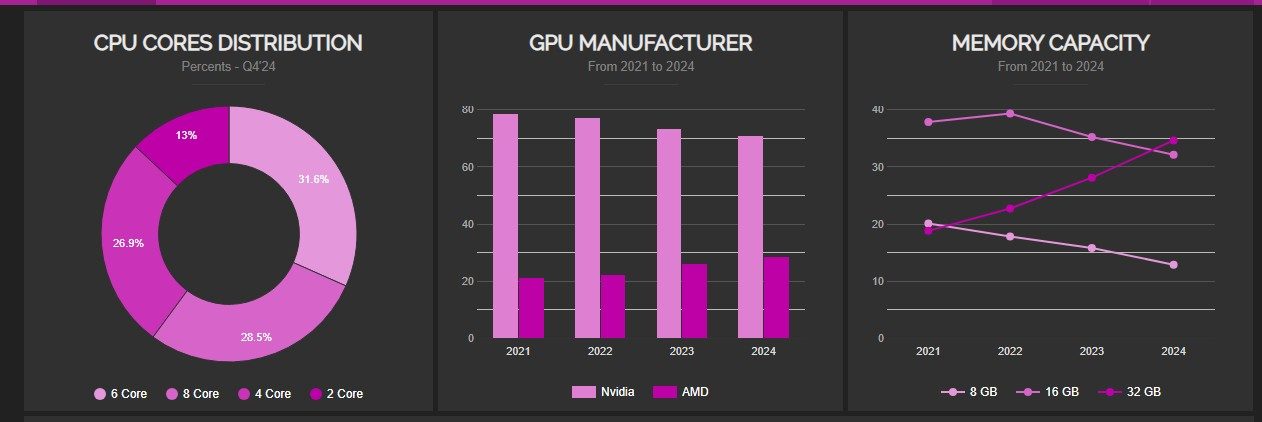
According to the latest CPU-z stats for the first quarter of 2025, eight-core CPUs are now the most popular, sitting at a 24.7% share — up 32.6% from last year. Six-core chips now make up 22.5% of CPU-Z data, with a -6.9% reduction compared to 2024.
This is followed by four-core CPUs and dual-core CPUs, both of which are likely found in budget PCs and smaller devices, such as tablets (CPU-Z also works on Android). Next come the big hitters, with 12-core and 16-core CPUs, followed by 10-core and 14-core chips. All of those (bar the 12-core) saw a modest increase compared to last year, but they still don’t make up a lot of the data.
Surprisingly, the most popular CPU to appear in testing was the Ryzen 7 9800X3D. In a way, this isn’t that shocking given that this is an excellent CPU, but the reality is that it’s pretty pricey and was quite hard to come by initially. Now that it’s in stock more often than not, it’s clear that gamers may have flocked toward it and upgraded their PCs to the new gaming beast. But still, the modest Ryzen 5 5600X from two generations ago takes the second place with a 2.1% share and an -8.9% reduction compared to last year; the Ryzen 7 7800X3D and the Ryzen 7 5700X3D are both close, though.
Finding a CPU that offers more than eight cores isn’t easy in the CPU-Z report. In fact, only one chip does that, and barely so — the Core i5-12400F scores a measly 1.3% share. Every other CPU in the top ten sits at eight cores or fewer.
Why are six-core CPUs growing less popular?
The data from CPU-Z is interesting, and it’s definitely indicative of a larger trend — but it’s important to keep a few things in mind.
First, CPU-Z only gets data from people who use the tool. Oftentimes, this tool will be used by power users more than casual users. This means that the data might have underrepresented the number of six-core CPUs still out there. AMD keeps making six-core CPUs, and they’re still picked up for both daily drivers and gaming purposes, not to mention all the laptops, tablets, and other devices that definitely fall below eight cores.
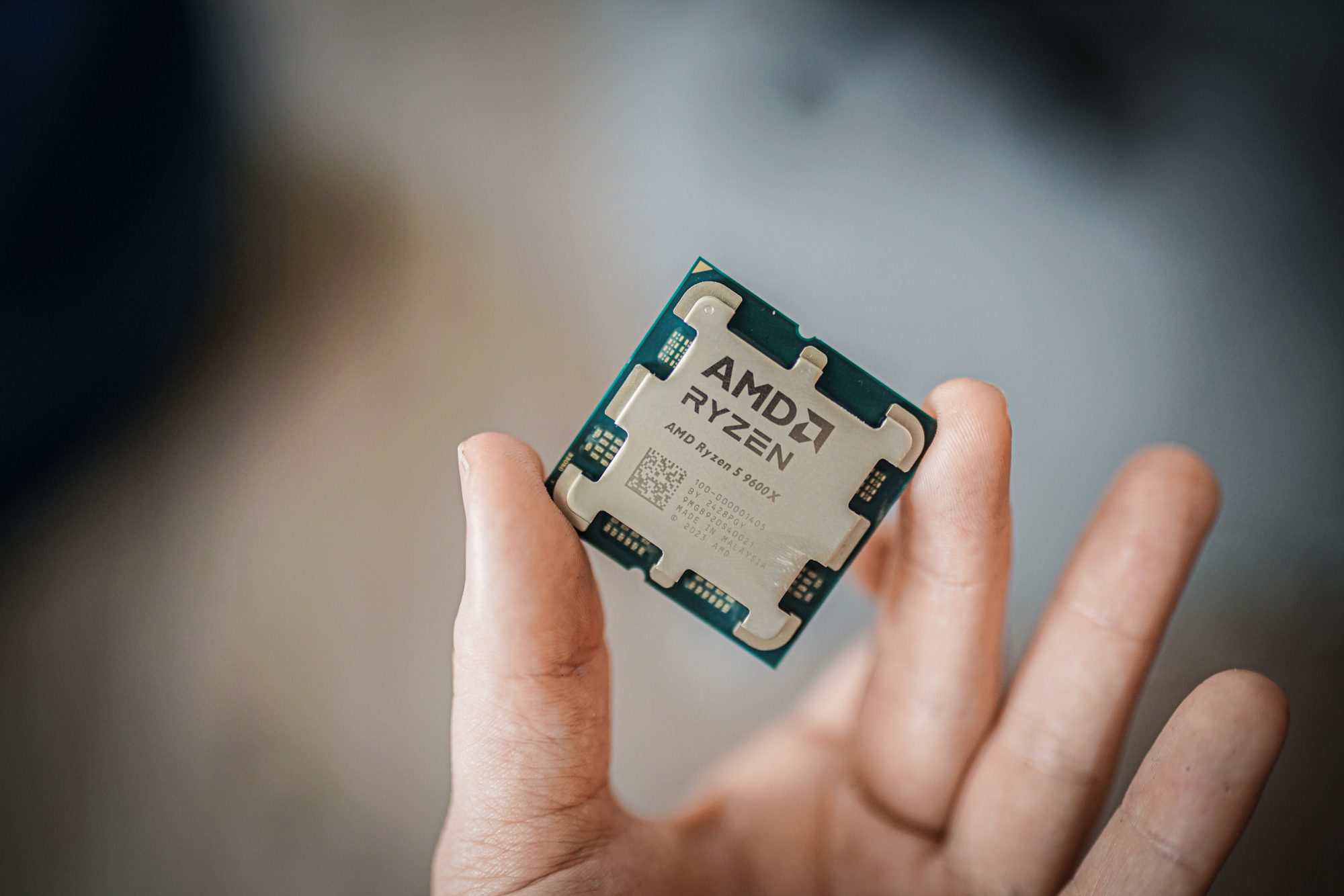
With that said, six-core CPUs are growing less popular. They’re bound to be. When AMD announced the Ryzen 9000 series, I was mildly surprised to see the return of the six-core Ryzen 5 9600X. With the increasing demands for multi-threaded workloads, six-core CPUs often just don’t cut it for power users anymore. They still do a good job in budget-oriented PCs, though, although if I were to personally build one, I might pivot to Intel for the number of cores.
Does this mean you need to upgrade?
This new data might have you feeling like it’s time to upgrade, but the reality is that you should only upgrade once your PC or laptop just doesn’t cut it anymore.
There’s no particular reason why a six-core CPU might not be enough now if it was enough in 2024. However, over time, you might run into more CPU bottlenecks. This is especially important if you’re a gamer and you use one of the best graphics cards. I’m firmly against pairing great GPUs with budget CPUs — it’s often better to meet in the middle.
I will say this, though. The next time you pick out a device or build a PC, consider scaling up to eight cores — especially if you tend to run multiple things at once and want them all to run smoothly.