Infotainment systems and personal tech items have allowed car owners to take their tech-filled lifestyles on the road, but they have also greatly increased the number of distractions in vehicles.
The National Highway Traffic Safety Administration (NHTSA) is concerned about distracted driving, so it is releasing a set of guidelines designed to keep things safe. The guidelines elucidate ways for carmakers to build less distracting tech, but they are also completely voluntary.
The guidelines establish criteria for in-car electronics that require drivers to turn their attention away from the road to use. Under the guidelines, a driver shouldn’t have to take his or her eyes off the road for more than two seconds at a time and 12 seconds total to perform any task.
The guidelines also recommend disabling manual text entry (for both texting and internet browsing), video playing, and other functions while a car is in motion.
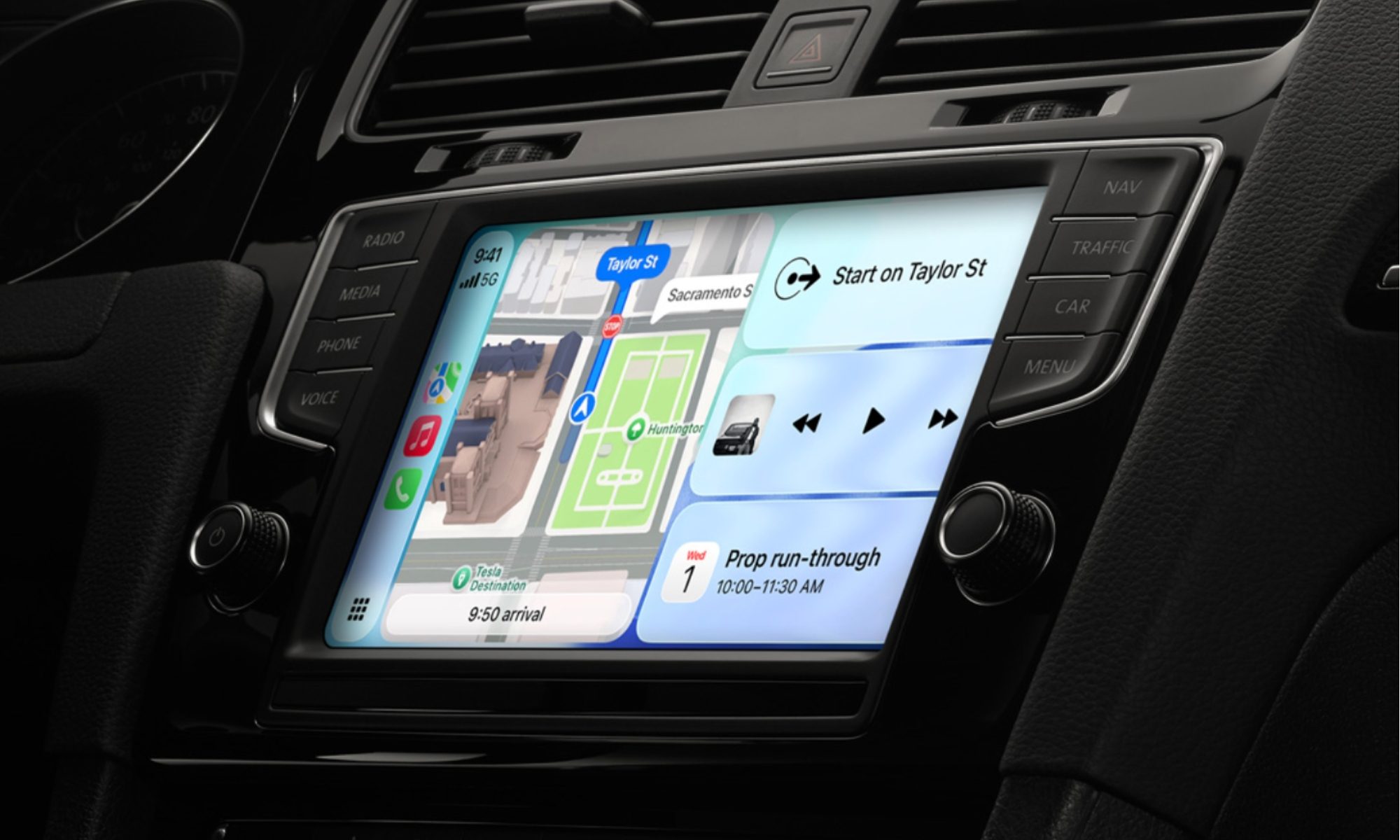
The recommendations aren’t just limited to restricting information by medium. Displaying certain types of content, including text messages and social media posts, also falls in the “not while the vehicle is in motion” category, as are photorealistic or dynamic images on navigation system maps.
The guidelines also cover the location of electronic devices in a car, including the distance a touch screen or other control surface is from the driver, and the positioning of displays as close as possible to the driver’s line of sight.
The NHTSA guidelines are based on the findings of a study conducted by the agency.
“The new study strongly suggests that visual-manual tasks can degrade a driver’s focus and increase the risk of getting into a crash up to three times,” NHTSA Administrator David L. Strickland said in a statement.
The study found that sending a text message required a driver to take his or her eyes of the road for an average of 23.3 seconds, and doubled the chance of a crash.
Actually talking on a cell phone made a crash 1.73 times more likely, but the entire process of picking up the phone, searching for a contact, and dialing made a crash three times more likely, because each step takes a driver’s hand (or hands) off the wheel and their eyes off the road.
The study focused on handheld phone use, but did not investigate infotainment functions unrelated to calling and texting.
Do you think tech gadgetry is making cars unsafe? What’s the solution? Tell us in the comments.