1. Home
  2. Computing
  3. Legacy Archives

IBM develops brain-simulating supercomputer with 128TB flash

Add as a preferred source on Google
IBM-5-in-5-fl
Image used with permission by copyright holder

Have you ever wondered what it would be like if we had a computer capable of thinking just like we do? Robots are popping up all over the place (with some crazy ones coming out of Japan), but wouldn’t it be crazy if they were finally capable of mimicking the thought power of the human brain? According to CNET, the minds at IBM seem to like the idea, and the group is developing a supercomputer that has some serious “brain power” (pun intended). We know that most of you are probably freaking out about the inevitable robot uprising that all the recent Sci-Fi movies outline, but don’t go panicking on us when we give you this news: IBM is creating a brain-simulating supercomputer. 

Okay, so it’s based on a rat’s brain and not a human brain, but the creation of this supercomputer is not a simple task. For those curious, a rat’s brain contains around 70 million neurons. In order to mimic that structure, IBM’s super creation needed to pack some serious firepower. This is where things get pretty crazy. The average computer contains somewhere between 128GB to 512GB of flash memory. The Blue Gene/Q rat-brain supercomputer contains a massive 128TB of flash memory. That’s roughly 250 to 1,000 times more memory than an average, modern computer. IBM is using flash memory for the project since its cheaper and more ample than DRAM (although its a little slower in terms of speed). We have no word on how IBM has its flash memory hooked up (SATA or PCIe), as the company expressed that “patent discussions” kept it quiet. IBM did say that the flash was “deeply embedded” in the system.

Recommended Videos

This recent development from IBM dovetails the Blue Brain project, in which scientists in Switzerland believe they will have a fully functioning, artificial, human brain in 10 years. CNET speculates that IBM is revealing this information prior to an important event. The International Supercomputing Conference 2013 is set to take place next week in Leipzig, Germany. Felix Schuermann, of Ecole Polytechnique Federale de Lausanne (EPFL), is due to deliver a presentation regarding IBM’s supercomputer sometime during the conference. We should have more information regarding IBM’s findings, as well as what the company plans to do with its powerful creation, in the near future. The creation of this rat-brained supercomputer is definitely a big step towards the main goal of the Blue Brain project and it will be very interesting to see where the project stands after the supercomputing conference is over.

Russ Boswell
Former Digital Trends Contributor
Russ Boswell is an aspiring video game and technology journalist from Colorado. He's been an avid gamer since he was old…
Google’s new Magic Pointer Play Store listing reveals a Gemini shortcut built for Googlebooks
The unannounced app turns the cursor into a contextual AI tool for search, image creation, and shopping
Plant, Text, Business Card

Google has quietly published a new Play Store listing for Magic Pointer, an unannounced app built for Googlebooks. Updated on July 10, the app turns the cursor into a Gemini shortcut that can act on whatever a user selects on screen.

Magic Pointer can send an image to Lens, generate a related image, or surface a shopping action without forcing users to open a separate chatbot. Regular Android devices currently show as incompatible, so the listing offers an early preview rather than a broad release.

Read more
You can stop using AI, but this new report says you probably can’t escape it
A UK survey found that most people feel AI exposure is unavoidable, raising harder questions about consent, privacy, and whether opting out is still realistic
AI Chatbots

More people are trying to use less AI, but avoiding it altogether may already be impossible.

A survey of 2,055 UK adults found that 42% deliberately limit how much AI they use. Another 70% said avoiding AI exposure would be difficult or impossible, even when they actively wanted less of it.

Read more
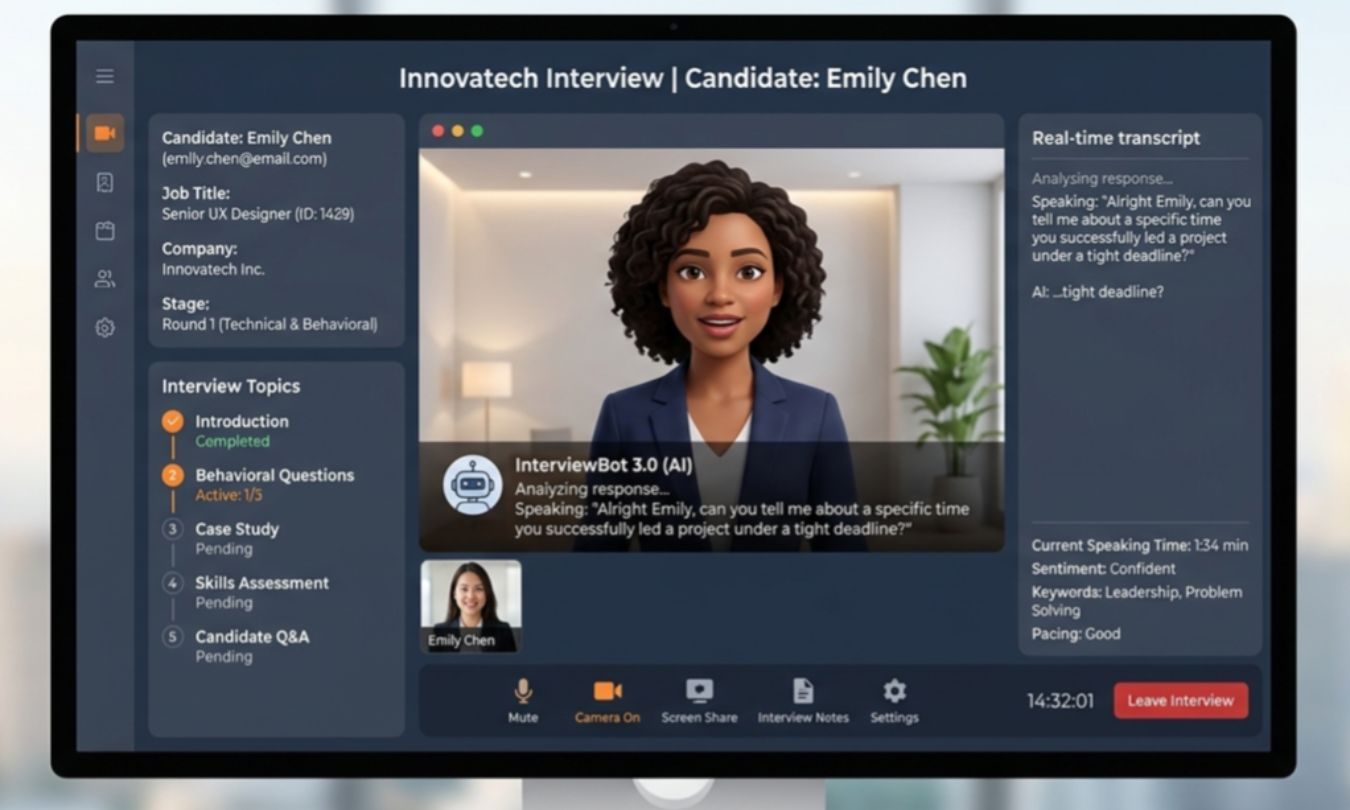
The face on an AI interviewer may matter as much as the decision it makes
Researchers found that race and gender matching changed how fairly rejected applicants viewed an automated interview, even though everyone received the same outcome
File, Computer Hardware, Electronics

An AI hiring system can treat every applicant the same and still leave some people feeling targeted. Researchers found that rejected candidates judged an automated interview differently depending on the race and gender of the avatar delivering the result.

Around 220 participants completed a simulated interview for a fictional customer support role with one of four photorealistic AI avatars. Everyone was rejected, yet perceptions of fairness shifted with the interviewer’s appearance. An algorithm audit could miss that reaction because candidates don’t experience the system as raw code. They experience a face asking questions and judging their answers.

Read more