Nintendo’s Wii U is in a terrible position right now, with perhaps the worst sales performance for any console from the company to date. A newly-released quarterly earnings report covering April through June 2013 reveals that a shocking 160,000 Wii U units were sold during the quarter, bringing its global sales total to 3.6 million. That is a mind-bogglingly low number for hardware that was originally positioned as the first to market in the next-gen sales wars.
Nintendo isn’t going to catalyze a mass embrace of the Wii U without a proper killer app in place.
None of this is news, of course. Industry observers have been pointing out Nintendo’s shortcomings for months, if not years. The company’s baffling resistance to change worked well enough during the era of the original Wii, a time before Apple and Google won the love of the casual gaming market with portable, touchable smartphones and tablets. The Wii U is different than the Wii, and it comes along at a very different time for the industry. The people buying it are longtime fans – the dedicated folks who miraculously haven’t been burned to the point of exhaustion by all of Nintendo’s backwards-facing policies and design choices.
…You’ve heard all of this before too. That’s the thing. The dismal outlook painted by Nintendo’s latest quarterly earnings report isn’t a surprise. The Wii U has been in trouble for longer than it’s been on store shelves. Can anything be done to save it?
The obvious answer is: more sales. How though? A price cut would be the right place to start. It is a near-certainty that we’ll see one before 2013 closes. Consumers have already demonstrated a lack of interest in the “value” offered by the $300 Basic system, which leaves the $350 Deluxe system as the best – but still less-than-ideal – option. You can buy a PlayStation 3 or Xbox 360 right now for considerably less and pull from a vast library of games built up over the past 8-9 years. They also both have stronger online infrastructures and overstuffed digital marketplaces.
Nintendo is effectively obsolete as a next-gen competitor.
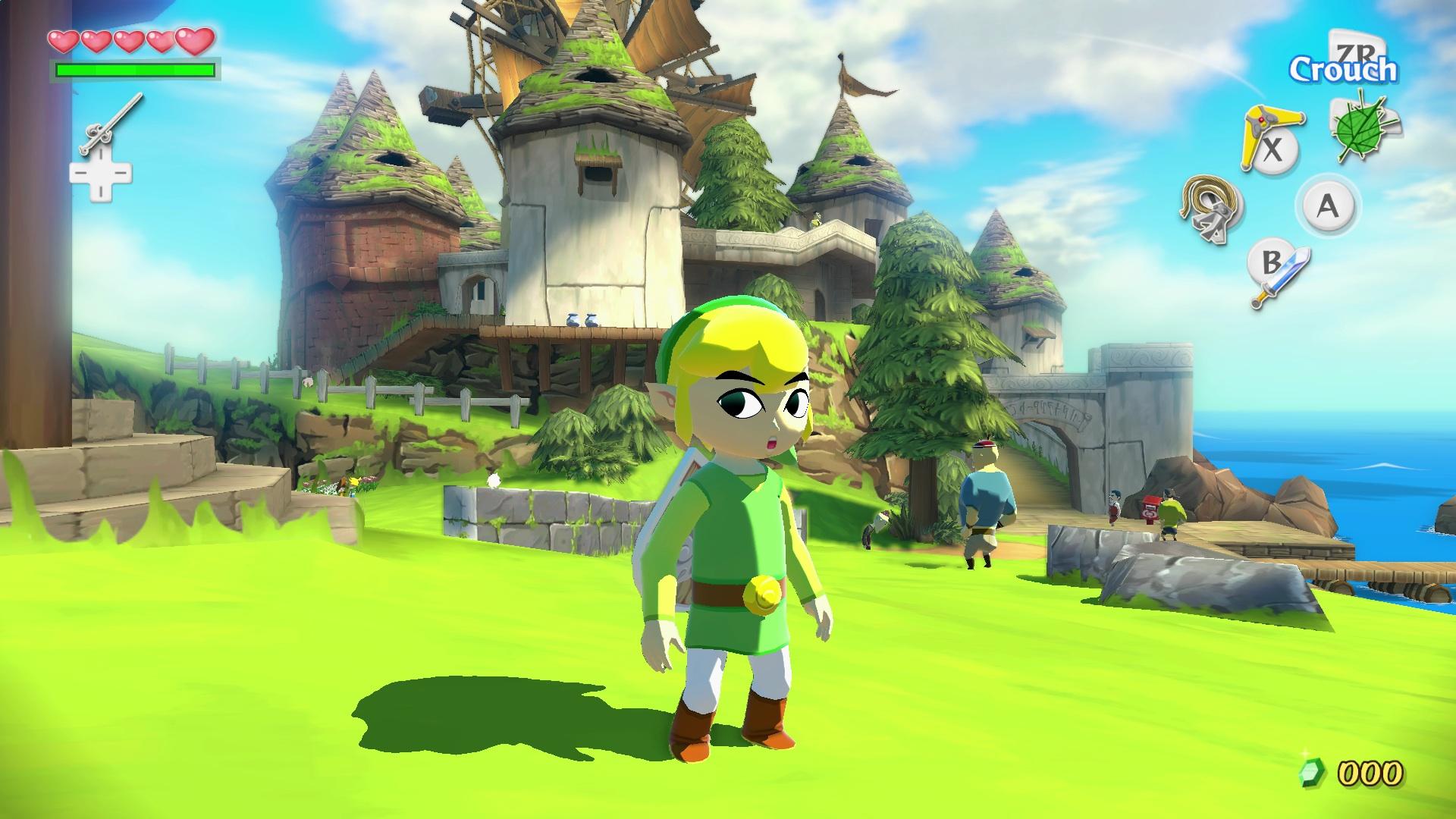
Price is only part of the problem, though. The thin library of Wii U games is highlighted almost entirely by solid – rather than system-selling – first-party titles. With the exception of creatively successfully, commercially unsuccessful offerings like Ubisoft’s ZombiU, most of the third-party catalog is filled out by enhanced ports and remakes. Hell, even Nintendo is going in that direction for the 2013 holiday season; in addition to newcomers Donkey Kong Country and the latest Mario & Sonic at the Olympics game, there’s an HD remake of the GameCube’s The Legend of Zelda: Wind Waker. Why are any resources going into tuning up a 10-year-old GameCube game when there’s still so little that’s new for the Wii U?!
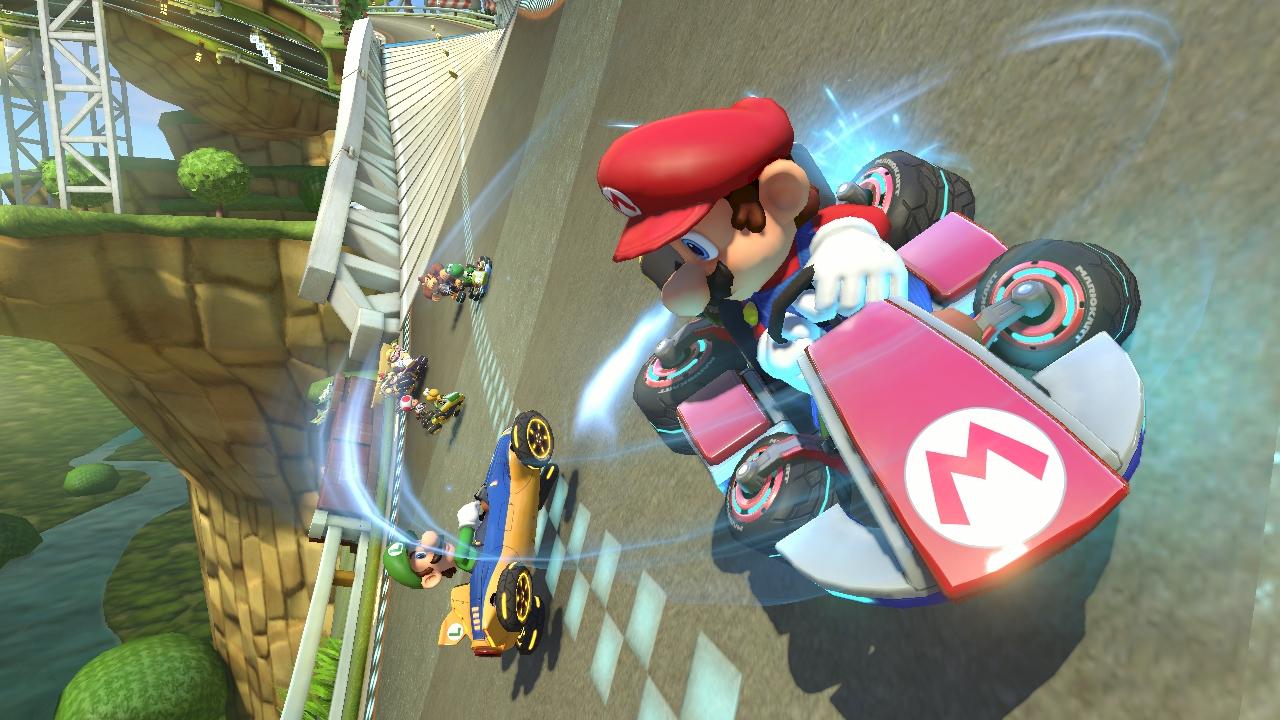
Nintendo needs to step up its first-party efforts in a major way. Promising third-party exclusives like Bayonetta 2 and The Wonderful 101 will help, but the company isn’t going to catalyze a mass embrace of the Wii U without a proper killer app in place, and that’s going to have to come from within. Early adopters have been patient, and they’re being rewarded with fan servicing content like the just-released Pikmin 3. But a whimsical real-time strategy game isn’t going to drive console sales. Certainly not to the degree that Nintendo needs to. More distant releases like the new Mario Kart and Smash Bros. games ought to improve things, but those aren’t due until 2014.
Nintendo’s ridiculously optimistic sales forecast for the Wii U from April 2013 through March 2014 is 9 million. With less than 200,000 sold between April and June, that leaves a dizzying 8.2 million to go from July onward. The forecast likely accounts for the as-yet-unannounced price cut, but there are rarely surprises in the games biz. It’s not like a proper next-gen Zelda game is going to drop this December and reverse the Wii U’s fortunes. That 9 million goal is a pipe dream worthy of Super Mario Bros.; Nintendo will be lucky to reach half its sales target.
It’s a dire situation, and one that is only fixable with a better long-term plan in place. Price cuts and game releases are a stopgap; Nintendo’s greatest failing continues to be its unwillingness to embrace present-day technologies that most gamers have come to take for granted. The company has a tremendous buffer thanks to the outrageous success of the Wii, but there’s no simple and quick solution to turning the current situation around. Until it does, Nintendo is effectively obsolete as a next-gen competitor.