It used to be that the only way to see great works of art was to visit the museums that house them or purchase a poster from an art shop. But this week the J. Paul Getty Trust, the world’s richest art institution (not to be confused with the Getty Images stock agency), has released 4,600 images from its collection to the public for free to use. This means anyone can download these high-resolution scans (we’re talking 800 dpi) to use for any purpose, in any manner – commercial or private – as long as they are properly credited to the “Getty Open Content Program.”
The set includes renowned pieces you’ve seen in your art history books as well as lesser known ones, most of them not exhibited in Getty’s museums in Los Angeles (Getty’s collection is huge, although it specializes mainly in antiquities and Western art). Besides paintings, there are also nearly 600 photographs available. To browse Getty’s collection, you can use its search feature; pieces that are part of the “Open Content Program” will have a download option.
Recommended Videos
Before a piece is downloaded, a user will be asked what his/her intention is, whether it’s for private or public use. This is part of Getty’s research into understanding how its collection will be used. There are plans to release more content down the line (the 4,600 pieces are a fraction of what Getty owns). “We’re conducting a thorough review of copyright and privacy restrictions on our holdings to identify all the images we can make available,” said Getty Trust CEO James Cuno. (You can read more about the program, and why the Getty Trust is doing this, starting with Cuno’s letter.)
Getty isn’t the first institution to start an “open access” program. Getty cites the Walters Art Museum, the National Gallery of Art, Yale University, the Los Angeles County Museum of Art, and Harvard University as forward-thinking institutions that have inspired it to do the same. With Getty’s involvement, the art world just became a lot more accessible to everyone.
So now, instead of having to buy a pricey poster to hang on your wall or print a terribly low-res version of it, you can have a high-res digital copy stored on your hard drive. To give you a small taste of Getty’s massive collection, here are 12 of the art world’s greatest masterpieces, from Van Gogh to Monet and Stieglitz. But with more than 4,000 to choose from, you have a lot of museum browsing ahead of you.
Vincent van Gogh (Dutch, 1853 – 1890)Irises, 1889, Oil on canvasUnframed: 71.1 x 93 cm (28 x 36 5/8 in.)Framed: 95.3 x 115.6 x 7.9 cm (37 1/2 x 45 1/2 x 3 1/8 in.)The J. Paul Getty Museum, Los AngelesImage used with permission by copyright holder
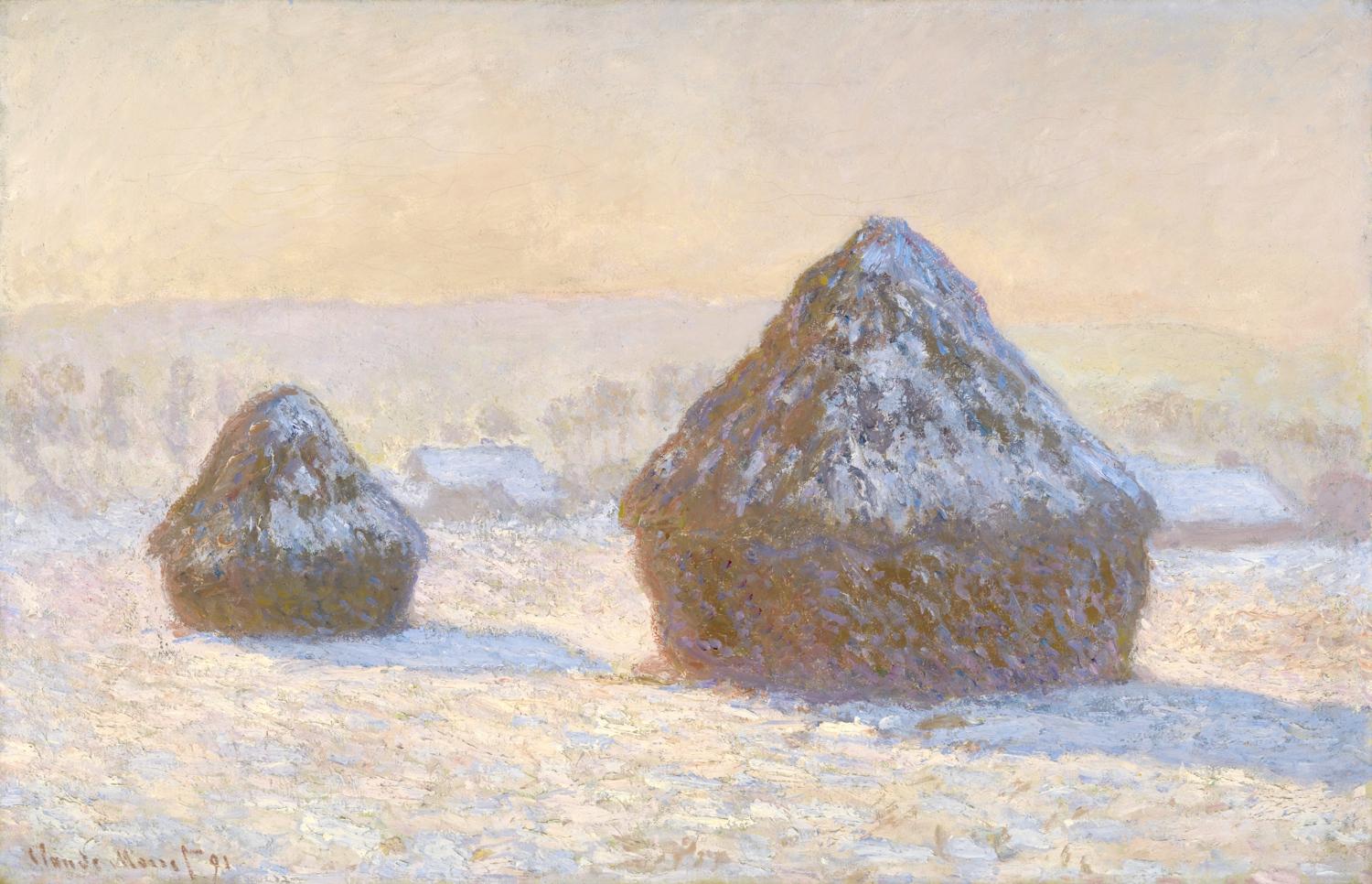
Claude Monet (French, 1840 – 1926)Wheatstacks, Snow Effect, Morning, 1891, Oil on canvasUnframed: 64.8 x 99.7 cm (25 1/2 x 39 1/4 in.)Framed: 88.6 x 123.2 x 7.9 cm (34 7/8 x 48 1/2 x 3 1/8 in.)The J. Paul Getty Museum, Los AngelesImage used with permission by copyright holder
Alfred Stieglitz, photographer (American, 1864 – 1946)The Hand of Man, 1902, PhotogravureImage: 24.1 x 31.8 cm (9 1/2 x 12 1/2 in.)The J. Paul Getty Museum, Los AngelesImage used with permission by copyright holder
Pierre-Auguste Renoir (French, 1841 – 1919)La Promenade, 1870, Oil on canvasUnframed: 81.3 x 64.8 cm (32 x 25 1/2 in.)Framed [outer dim]: 110.2 x 94 x 8.9 cm (43 3/8 x 37 x 3 1/2 in.)The J. Paul Getty Museum, Los AngelesImage used with permission by copyright holder
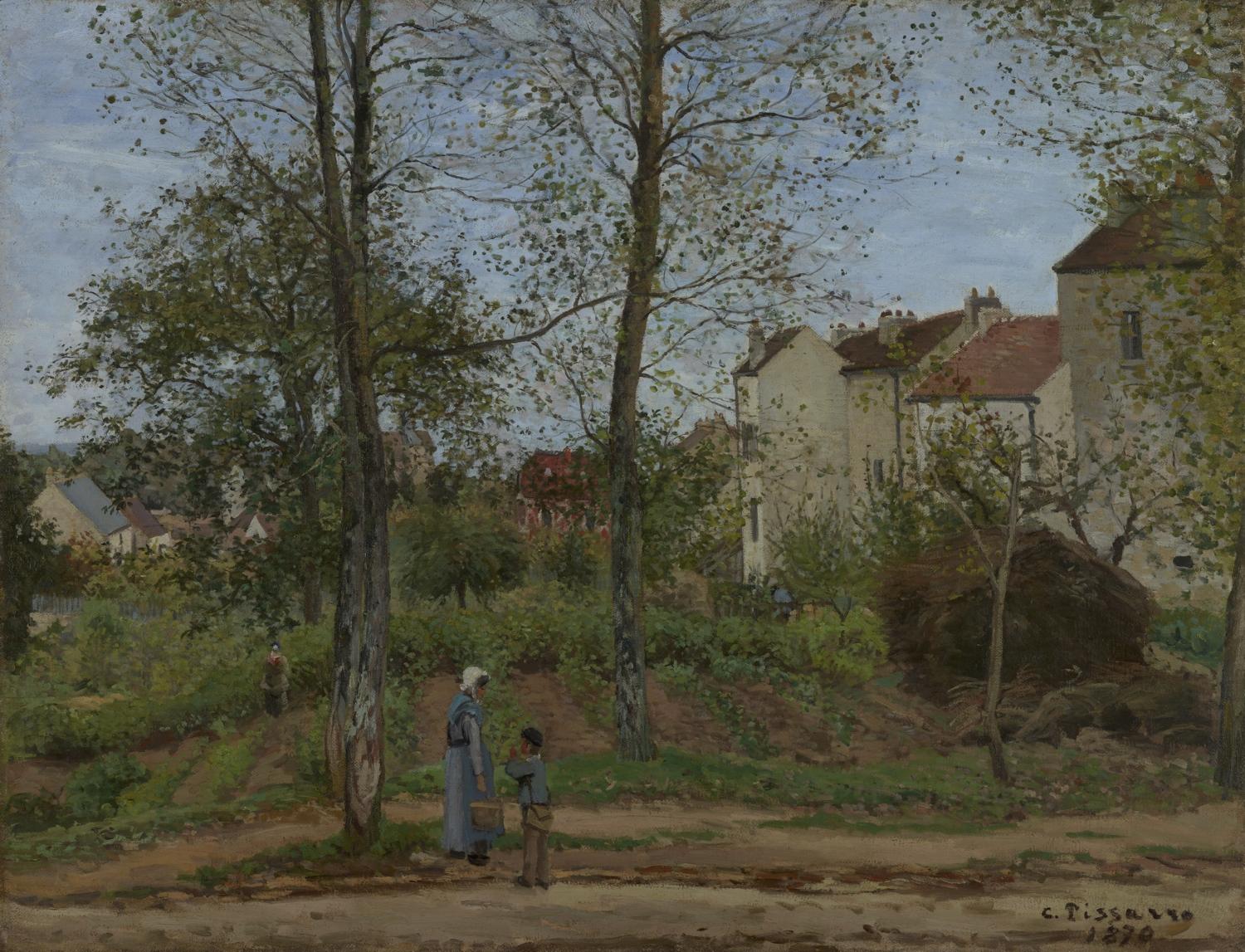
Camille Pissarro (French, 1830 – 1903)Houses at Bougival (Autumn), 1870, Oil on canvasUnframed: 88.9 x 116.2 cm (35 x 45 3/4 in.)Framed: 110.5 x 138.1 x 9.8 cm (43 1/2 x 54 3/8 x 3 7/8 in.)The J. Paul Getty Museum, Los AngelesImage used with permission by copyright holder
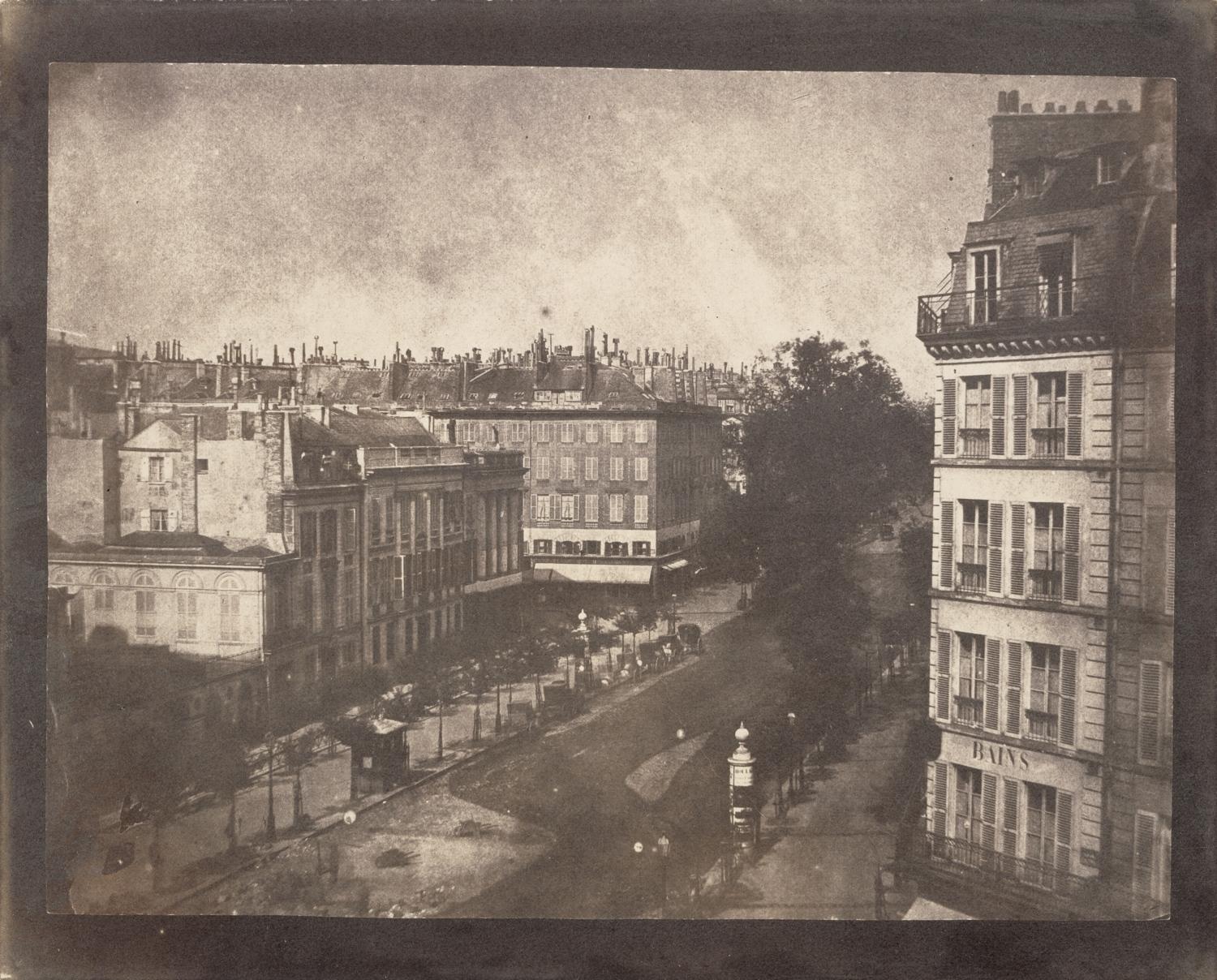
William Henry Fox Talbot, photographer (English, 1800 – 1877)View of the Boulevards of Paris, May 1843, Salted paper printImage: 16.4 x 21.4 cm (6 7/16 x 8 7/16 in.) Sheet: 18.7 x 23.2 cm (7 3/8 x 9 1/8 in.)The J. Paul Getty Museum, Los AngelesImage used with permission by copyright holder
Paul Cézanne (French, 1839 – 1906)Still Life with Apples, 1893 – 1894, Oil on canvasUnframed: 65.4 x 81.6 cm (25 3/4 x 32 1/8 in.)Framed [outer dim]: 84.5 x 101.3 x 6 cm (33 1/4 x 39 7/8 x 2 3/8 in.)The J. Paul Getty Museum, Los AngelesImage used with permission by copyright holder
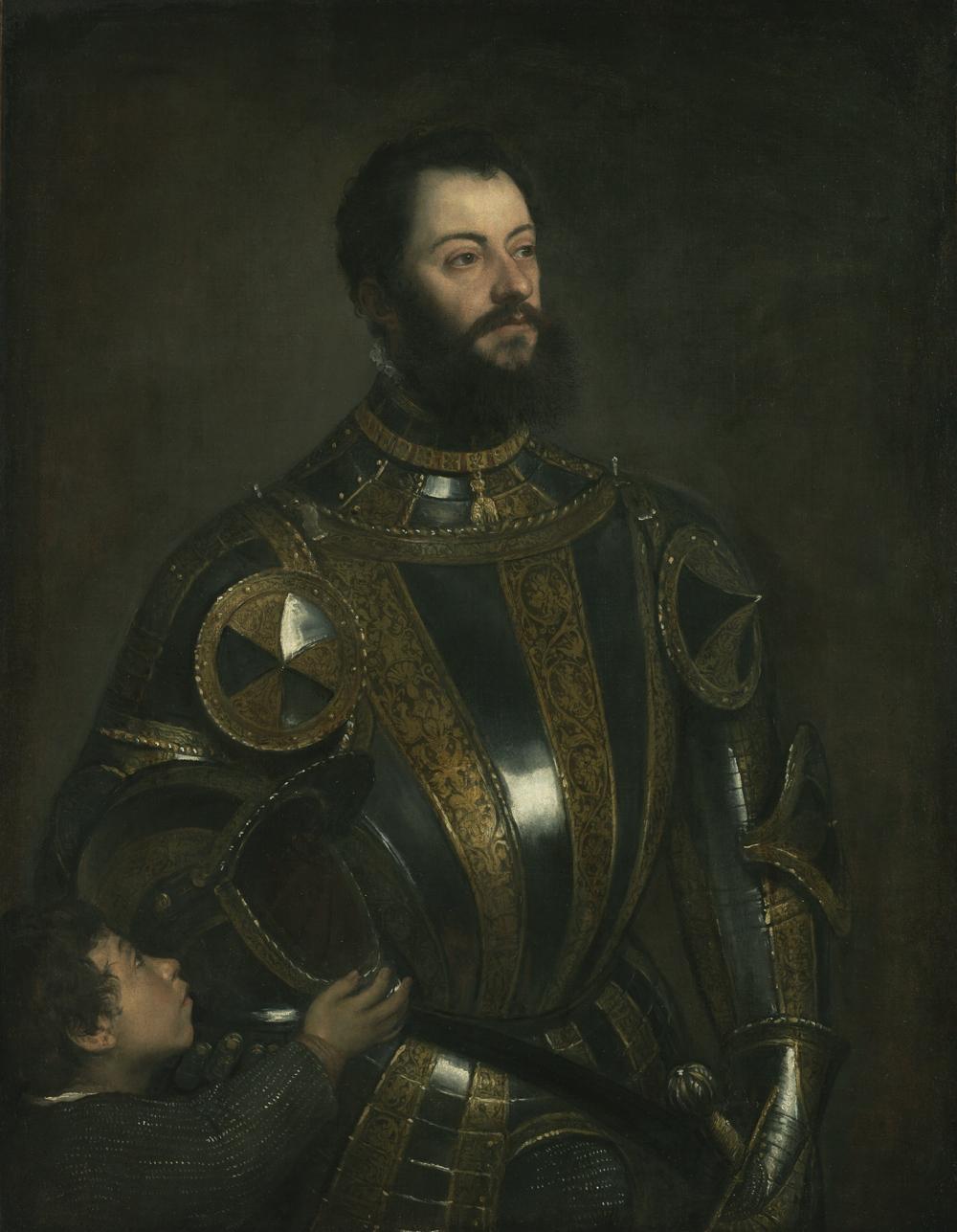
Titian (Tiziano Vecellio) (Italian, about 1487 – 1576)Portrait of Alfonso d’Avalos, Marquis of Vasto, in Armor with a Page, probably January – February 1533, Oil on canvasUnframed: 110 x 80 cm (43 5/16 x 31 1/2 in.)The J. Paul Getty Museum, Los AngelesImage used with permission by copyright holder
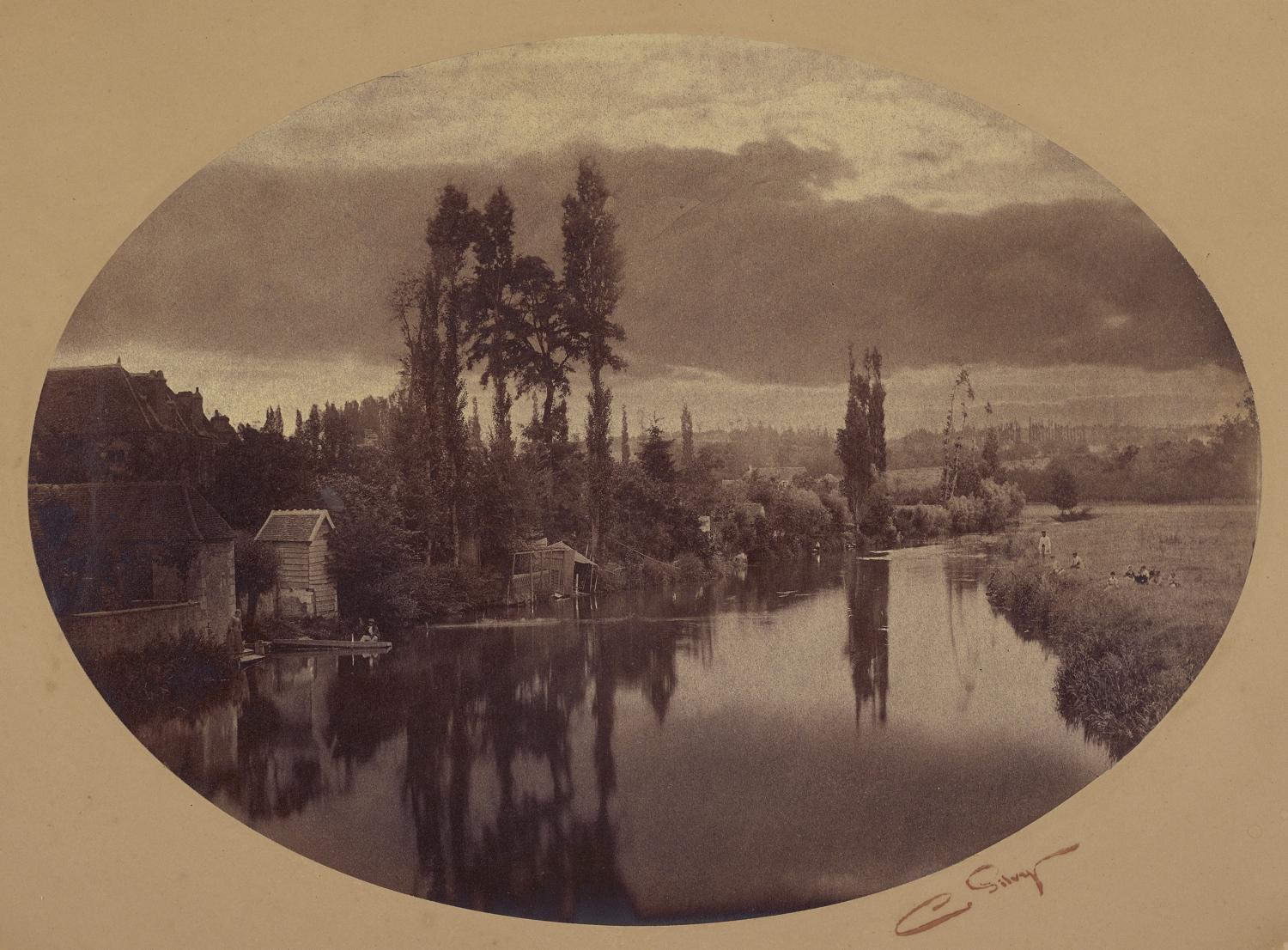
Camille Silvy, photographer (French, 1834 – 1910)River Scene, negative 1858; print 1860s, Albumen silver printImage (oval): 25.7 x 35.6 cm (10 1/8 x 14 in.) Mount (oval): 41.1 x 51.1 cm (16 3/16 x 20 1/8 in.)The J. Paul Getty Museum, Los AngelesImage used with permission by copyright holder
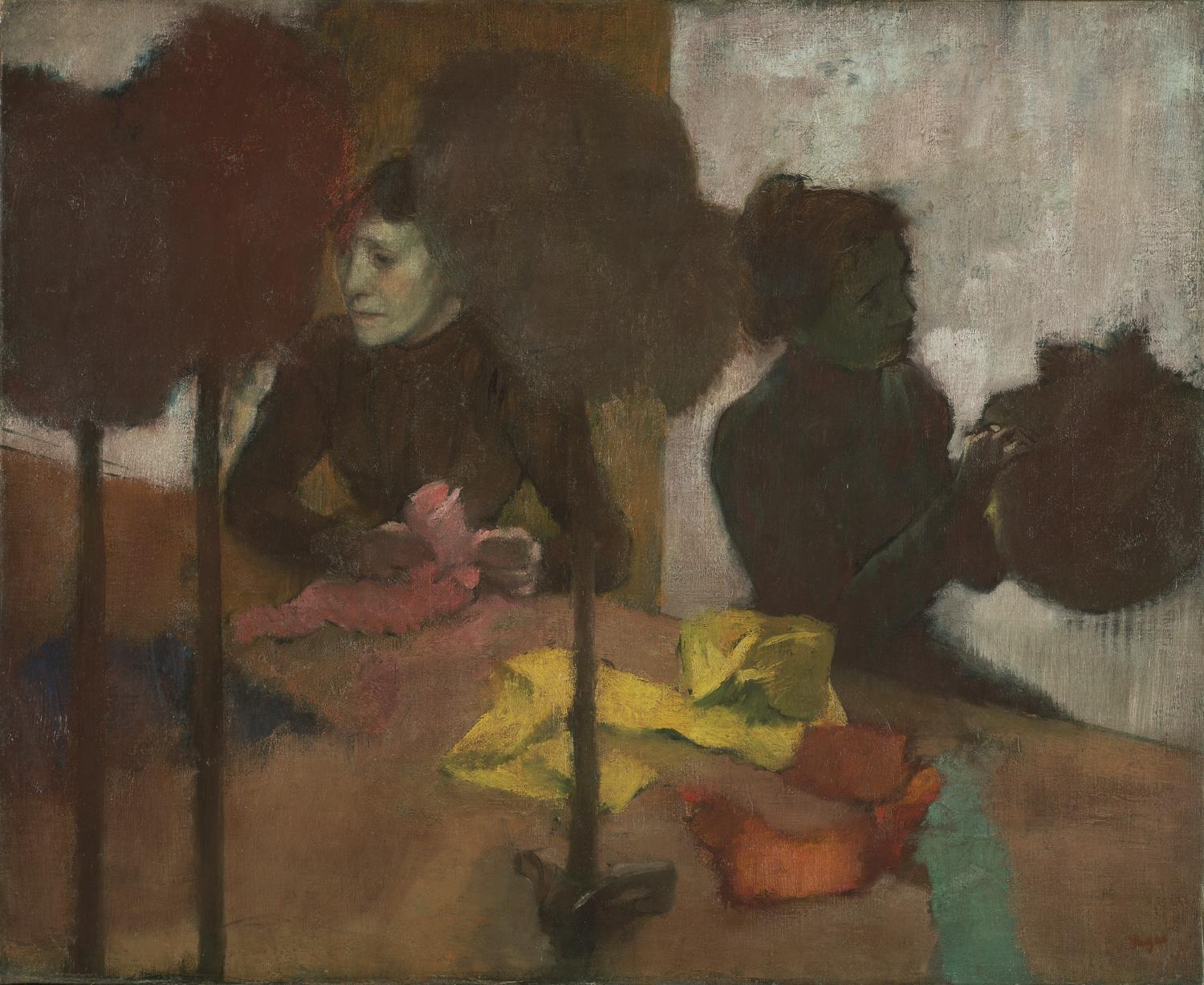
Edgar Degas (French, 1834 – 1917)The Milliners, about 1882 – before 1905, Oil on canvasUnframed: 59.1 x 72.4 cm (23 1/4 x 28 1/2 in.)Framed: 77.8 x 91.1 x 6.4 cm (30 5/8 x 35 7/8 x 2 1/2 in.)The J. Paul Getty Museum, Los AngelesImage used with permission by copyright holder
Francisco José de Goya y Lucientes (Francisco de Goya) (Spanish, 1746 – 1828)Bullfight, Suerte de Varas, 1824, Oil on canvasUnframed: 49.8 x 70.8 cm (19 5/8 x 27 7/8 in.)Framed [outer dim]: 64.8 x 75.9 x 5.7 cm (25 1/2 x 29 7/8 x 2 1/4 in.)The J. Paul Getty Museum, Los AngelesImage used with permission by copyright holder
Rembrandt Harmensz. van Rijn (Dutch, 1606 – 1669)The Abduction of Europa, 1632, Oil on single oak panelUnframed: 64.6 x 78.7 cm (25 7/16 x 31 in.)Framed [outer dim]: 77.2 x 93.7 x 5.4 cm (30 3/8 x 36 7/8 x 2 1/8 in.)The J. Paul Getty Museum, Los AngelesImage used with permission by copyright holder
(Digital images courtesy of the Getty’s Open Content Program.)
The FCC’s latest crackdown could put more than DJI drones at risk in the US
DJI may have found creative ways to keep some of its products flowing into the US, but those efforts are now drawing increased attention from regulators. According to The Verge, the US Federal Communications Commission (FCC) has started cracking down on several companies it believes could be helping DJI continue selling products in the country. These businesses have been described by industry observers as "DJI front companies" because they market or import products that appear to be closely tied to the Chinese drone maker while operating under different brand names.
I bought Kodak’s viral keychain camera, and the bad photos are part of its charm
The Kodak Charmera is barely a camera, and I still keep using it
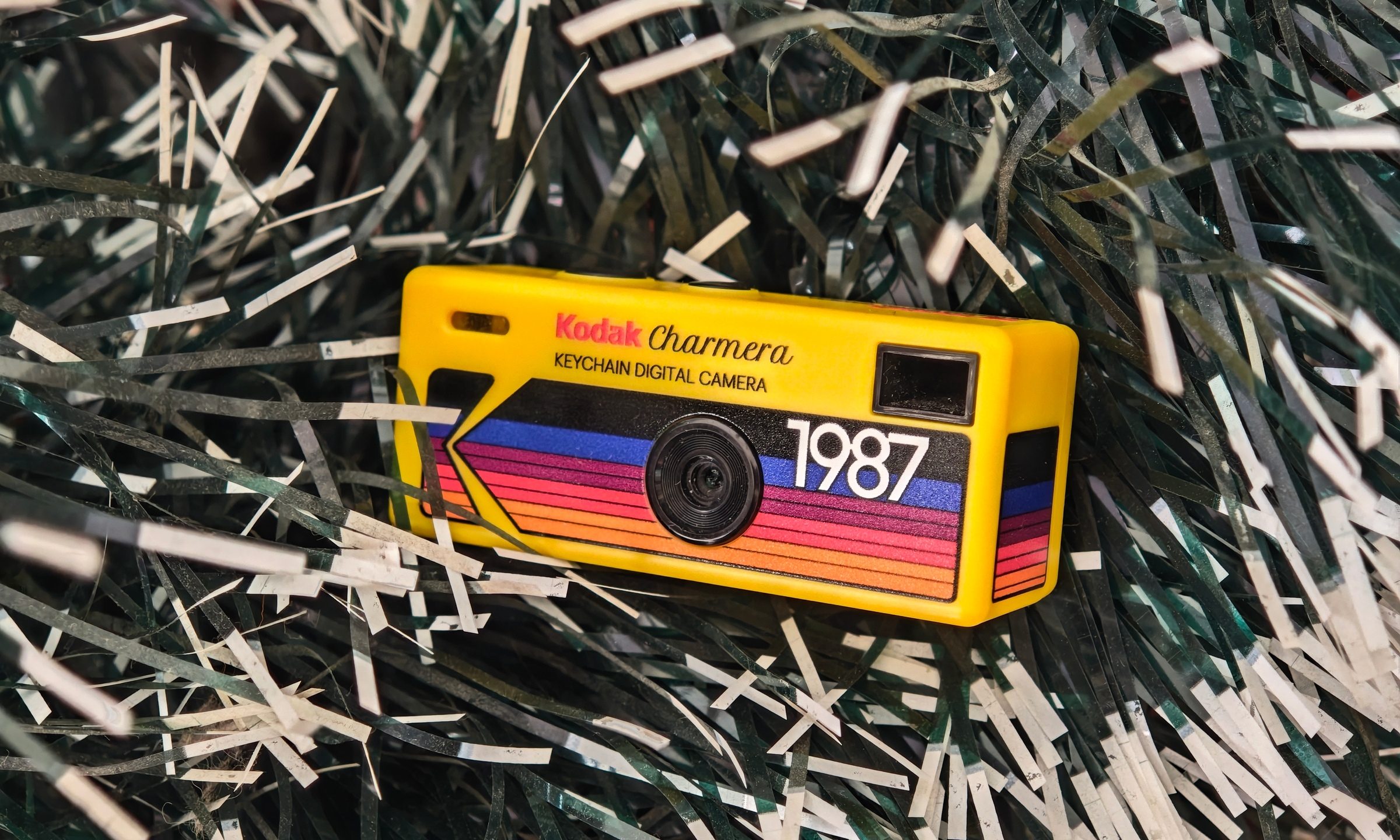
I bought the Kodak Charmera partly because I wanted a portable digital camera, and partly because I wanted a pretty little collectible. The Charmera is sold as a blind box, so you do not know which version you are getting until the box is opened. There are multiple retro Kodak-style designs, plus a transparent secret edition that looks like the one everyone would want.
I had the shopkeeper pick my box for better luck, and it worked out. I got the yellow variant, which is inspired by Kodak's original 80s disposable camera. The transparent one is definitely the fun collector’s piece, but the yellow model feels like the proper Kodak version. It looks like a tiny toy camera that escaped from a souvenir shop, found a keyring, and now hangs around wherever you go.
This new $30 keychain camera is coming for Kodak Charmera with a flip screen for selfies
Yashica's new camera makes toy photography more fun
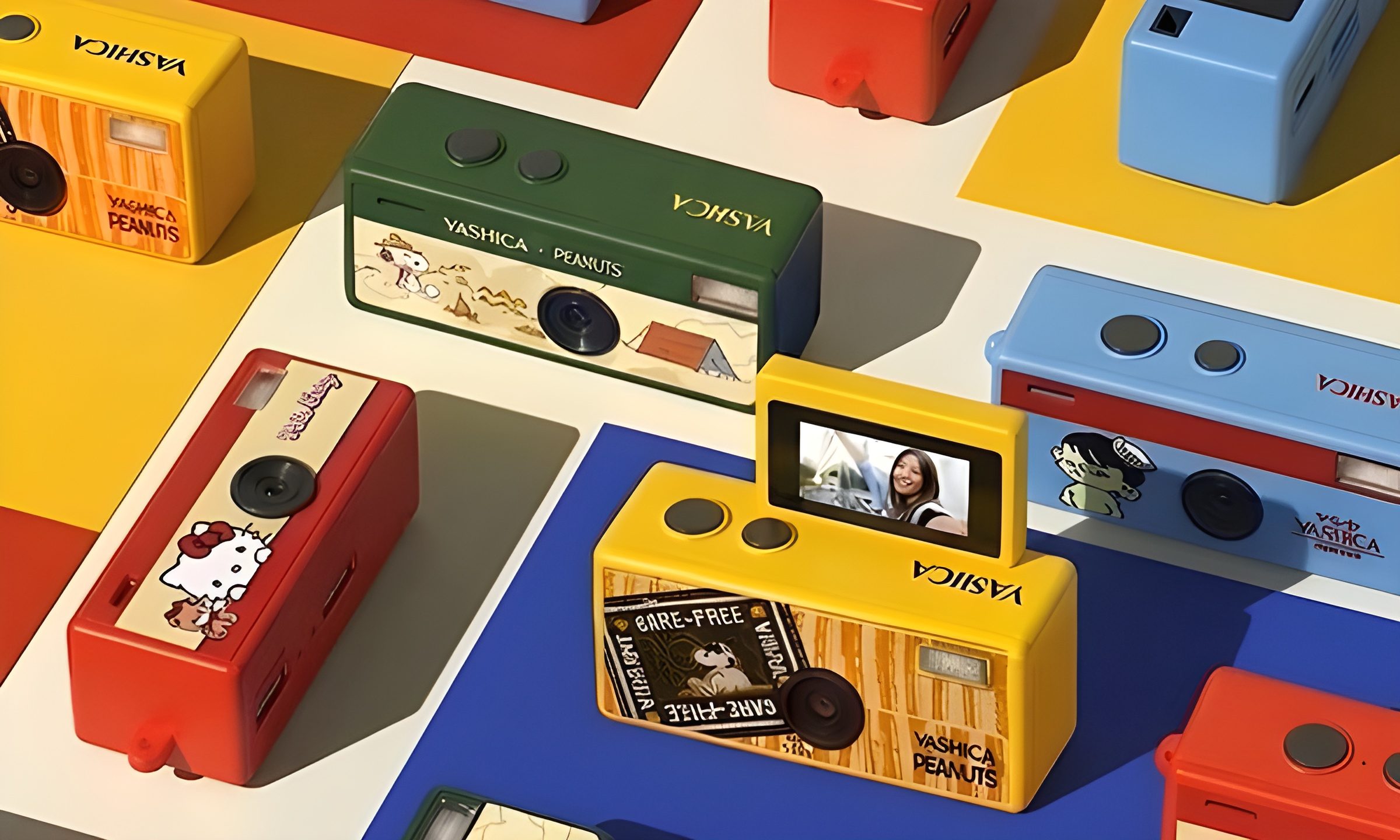
Tiny digital cameras are all the rage, and Yashica is now offering a very cute toy photography experience of its own. The company’s new Funtastic Keychain Camera is exactly what the name suggests, a miniature digital camera small enough to clip onto your keys, bag, or lanyard. The popular Kodak Charmera is the obvious comparison, which brings a tiny blind-box keychain camera that became a viral collectible.
Now, Yashica's version lands in the same novelty-camera lane, but adds one very useful trick, which is a 180-degree flip screen.



![Pierre-Auguste Renoir (French, 1841 - 1919) La Promenade, 1870, Oil on canvas Unframed: 81.3 x 64.8 cm (32 x 25 1/2 in.) Framed [outer dim]: 110.2 x 94 x 8.9 cm (43 3/8 x 37 x 3 1/2 in.) The J. Paul Getty Museum, Los Angeles](https://www.digitaltrends.com/wp-content/uploads/2013/08/getty-renoir.jpg)
![Paul Cézanne (French, 1839 - 1906) Still Life with Apples, 1893 - 1894, Oil on canvas Unframed: 65.4 x 81.6 cm (25 3/4 x 32 1/8 in.) Framed [outer dim]: 84.5 x 101.3 x 6 cm (33 1/4 x 39 7/8 x 2 3/8 in.) The J. Paul Getty Museum, Los Angeles](https://www.digitaltrends.com/wp-content/uploads/2013/08/getty-cezanne.jpg)
![Francisco José de Goya y Lucientes (Francisco de Goya) (Spanish, 1746 - 1828) Bullfight, Suerte de Varas, 1824, Oil on canvas Unframed: 49.8 x 70.8 cm (19 5/8 x 27 7/8 in.) Framed [outer dim]: 64.8 x 75.9 x 5.7 cm (25 1/2 x 29 7/8 x 2 1/4 in.) The J. Paul Getty Museum, Los Angeles](https://www.digitaltrends.com/wp-content/uploads/2013/08/getty-goya.jpg)
![Rembrandt Harmensz. van Rijn (Dutch, 1606 - 1669) The Abduction of Europa, 1632, Oil on single oak panel Unframed: 64.6 x 78.7 cm (25 7/16 x 31 in.) Framed [outer dim]: 77.2 x 93.7 x 5.4 cm (30 3/8 x 36 7/8 x 2 1/8 in.) The J. Paul Getty Museum, Los Angeles](https://www.digitaltrends.com/wp-content/uploads/2013/08/getty-rembrandt.jpg)