In a surprising move, one of the studios that is working on Battlefield 6 revealed that the game won’t feature any ray tracing at all. Not only is this feature not planned for launch, but there are also no plans to add it in the foreseeable future.
This is certainly unusual. At a time when most of the best graphics cards are pushing for ray tracing capabilities, BF6 is scaling back … and I couldn’t be happier.
Battlefield 6 is going against the grain by skipping ray tracing

Christian Buhl, the Studio Technical Director at Ripple Effect, recently told ComicBook that Battlefield 6 would not have ray tracing.
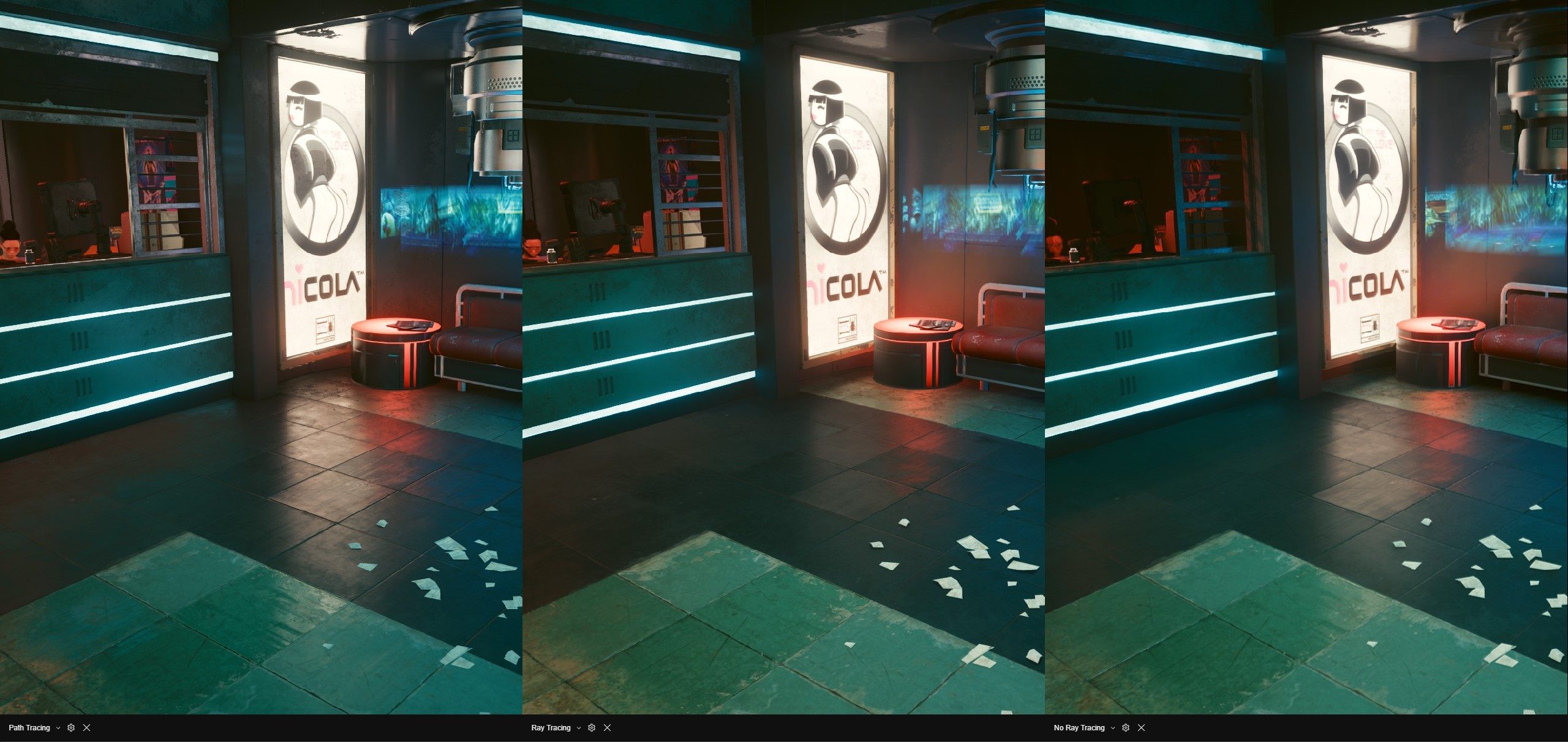
This is an unprecedented move. Most AAA titles these days feature ray tracing, and that includes games like BF6, which are best played at high frame rates. Games like Alan Wake and Cyberpunk 2077 utilize ray tracing heavily, throwing path tracing into the mix for better results (and more strain on the GPU).
Buhl revealed that the game will have over 600 different settings for gamers to dig into, but ray tracing-related options will not be among them.
“No, we are not going to have ray-tracing when the game launches, and we don’t have any plans in the near future for it either. That was because we wanted to focus on performance,” Buhl told ComicBook. “We wanted to make sure that all of our effort was focused on making the game as [optimized] as possible for the default settings and the default users. So, we just made the decision relatively early on that we just weren’t going to do ray tracing, and again, it was mostly so that we could focus on making sure it was performance for everyone else.”
For a quick refresher, ray tracing is a real-time rendering technique that simulates how light behaves. It calculates reflections, shadows, ambient occlusion (AO), refractions, and more. It can create stunning visuals thanks to realistic lighting, but it’s very heavy on the graphics card.
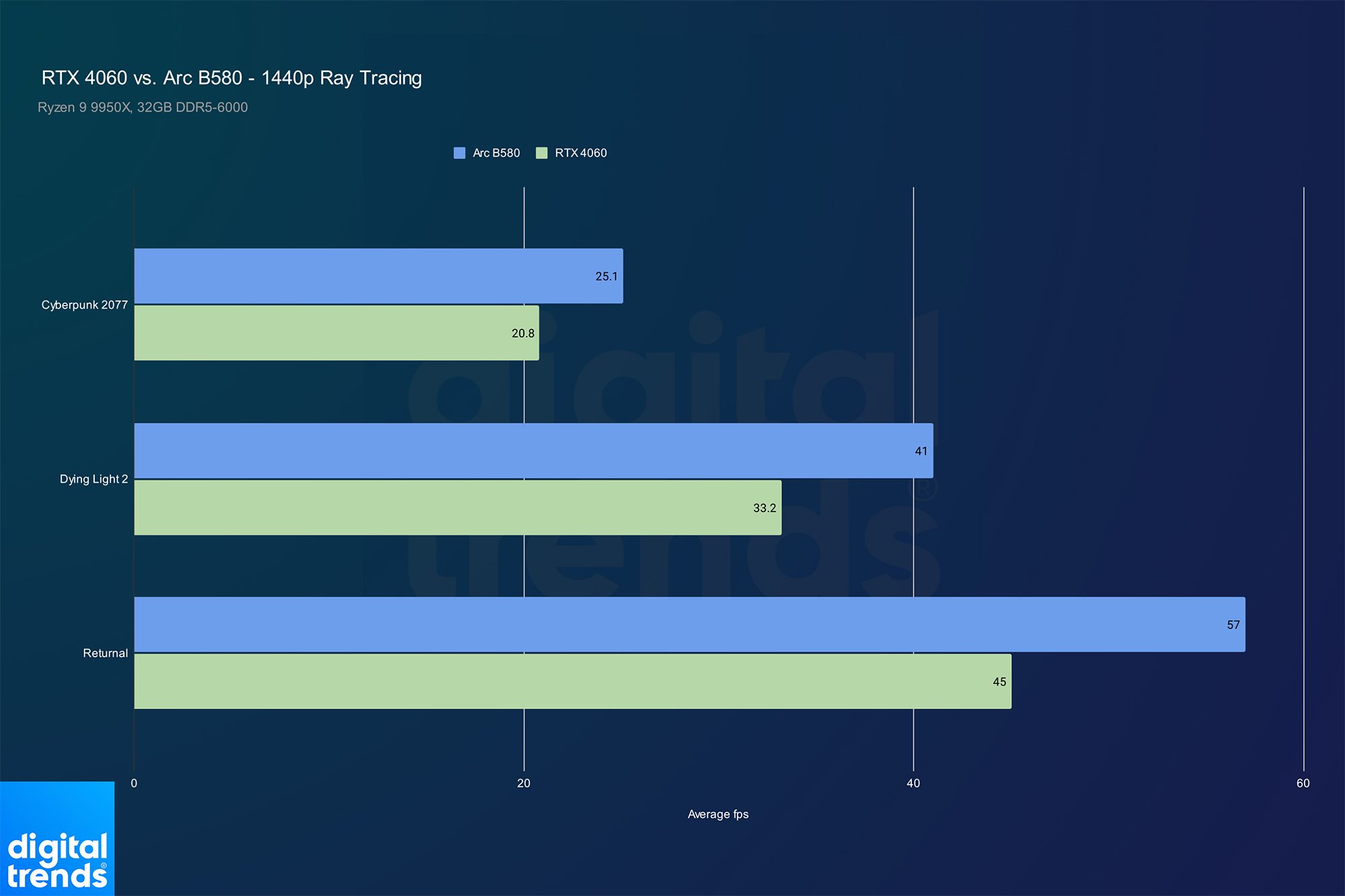
Even powerful GPUs like the RTX 5090 see a reduction in frame rates when ray tracing is toggled on. Meanwhile, budget-friendly cards like the RTX 4060 or the Arc B580 drop down to unplayable levels if you try to play with ray tracing enabled without using any upscaling technology — just take a peek at our benchmark above. This was at 1440p; at 4K, it’d hurt your frame rates even more.
Considering the toll that running ray tracing takes on the graphics card, I can fully understand why the studios behind Battlefield 6 decided to skip it.
It’s a bold move, but it makes sense — and many gamers agree

Out of all the games that are set to come out soon, Battlefield 6 needs ray tracing the least, I would say. If the focus of the game is either player versus player (PvP) or single-player missions that are still focused on combat, ray tracing is less of a bonus and more of a nuisance.
In games such as Battlefield 6, maintaining high, stable frame rates is key. Many gamers who enjoy these types of titles buy gaming monitors with higher refresh rates. But what’s the point in having a 240Hz monitor if your GPU can only put out 40 frames per second (fps) when ray tracing is toggled on?
More than anything, Buhl’s words resonate with me. The focus on performance “for everyone else” is key here. Sure, if you own one of the best gaming desktops paired with a beastly GPU, you can run just about anything. However, most gamers are using midrange to budget rigs, and the notion that only the latest hardware can handle AAA games is quickly growing tiresome.
In recent years, ray tracing has become a buzzword. It’s often used for prestige more so than for actual gameplay benefits. Yes, it looks great in some games, but a lot of the people I speak to can hardly tell the difference — especially in the heat of the moment. And, let’s face it, in a game like Battlefield 6, you can hardly stop and smell the roses. Not with enemies lurking around every corner.
I’m not alone in thinking that this might be for the best. I looked at some comments on Reddit, and many users treat this not as a downgrade, but as a great choice.
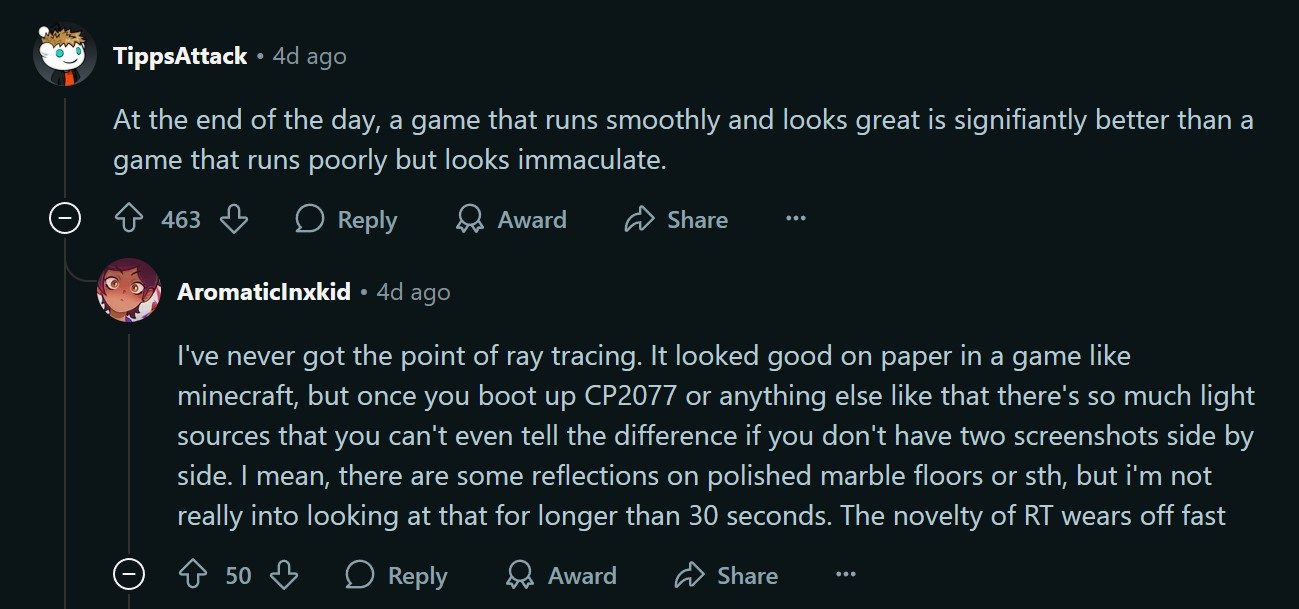
In a massive thread in r/Games, many users remark on the fact that it’s better to have a game that runs great and looks alright than a game that looks stunning but runs poorly.
Others note that they can hardly see a difference with ray tracing toggled on in games like Cyberpunk 2077. However, comments such as these also get a fair number of people disagreeing, noting that it’s impossible not to notice the difference in lighting. Personally, I definitely see it, but I don’t blame people who consider it to be subtle — it very often is.
Not every game needs ray tracing
Battlefield 6 didn’t just go against the grain by skipping ray tracing. It also moved away from its roots.
Battlefield V was the first BF title to integrate real-time ray tracing. Nvidia heralded it as a flagship title for RTX graphics cards, showcasing immense (for the time) lighting and shadows.
Early benchmarks revealed a stark reality: ray tracing came with a steep price. I don’t mean just the price of buying a GPU that could support it; I mean that even those GPUs would struggle at times, leaving gamers with low frame rates, which can be deadly in games such as Battlefield.
With ray tracing tech improving by the year, even more budget-oriented GPUs can handle some of it now — but many still take a performance hit. Or rather, they all do, but those on the higher end of the pricing spectrum can handle taking that hit.
Given that, I think it’s good to see Battlefield 6 skip ray tracing this time around. Not every game needs it, and it’s about time that we embrace that fact.
There will likely come a day when all newer titles have it, and all discrete GPUs support it to some extent, but that day is not here yet. Until then, let’s leave ray tracing to the likes of Indiana Jones and the Great Circle or Cyberpunk 2077, which are highly immersive games that can benefit from the visuals. For fast-paced titles that need to be able to run on all kinds of hardware, skipping ray tracing is a bold move, but I welcome it with open arms.