
Yesterday, Twitter appropriately revealed in a tweet that it has submitted its S-1 papers to the SEC for its IPO.
We’ve confidentially submitted an S-1 to the SEC for a planned IPO. This Tweet does not constitute an offer of any securities for sale.
— Twitter (@twitter) September 12, 2013
Now if you’re all up on your Silicon Valley scene, or pay attention to the stock market, all of that made complete sense to you. But it turns out there are a lot of people who use Twitter and don’t know what in God’s name an S-1 is. (I know what A-1 is… so is it just really bad BBQ sauce? *rimshot*)
To make matters worse, if you’re a normal person who just happens to enjoy using the Facebooks and Twitters and Instagrams of the World Wide Web, this is all you’re going to be hearing about for the next few hours… more likely, few days. Maybe weeks. Really, just until someone invents a Snapchat clone exclusively for sexy moms, when we’ll all be like “Twitter who now?” and focus on the real issues.
Just buy them shares up, Sally – swing by Wall Street and request a dozen Twitter shares, please and thanks!
(Let’s just get this out of the way, in case you think it’s too dumb to ask: IPO stands for Initial Public Offering. There’s no such thing as a dumb question – and unlike your high school chem teacher, I actually mean that.)
What’s an S-1?
An S-1, or an S-1 form if we’re being formal (brb, laughing hysterically at myself) is a form that a company must fill out and give to the SEC (Securities and Exchange Commission) in order to “go public.” “Going public” means that while Twitter was once privately owned by a relatively select group of people, the public (that means you, friend!) will now have the ability to purchase shares of it on the stock market.
Until now, there were major barriers to investing in Twitter – which basically meant you had to be friends with Jack Dorsey, a hedge fund or investment group, a millionaire, or really, really famous in some other right (which generally goes hand-in-hand with the money thing). Now, any Joe Schmo can – hypothetically – buy a piece of Twitter.
What’s in an S-1?
That is the smart question to ask – and to know the answer to. I am virtually high-fiving you right now if you indeed were thinking this all on your own. The best part of when a company goes public is that it has to give up so much of what it kept secret. We will get to find out its annual revenue and profits – in detail: who the largest shareholders are, and more telling yet, who some of its smaller shareholders are. It’s always good gossip to see if any surprising names or companies show up here.
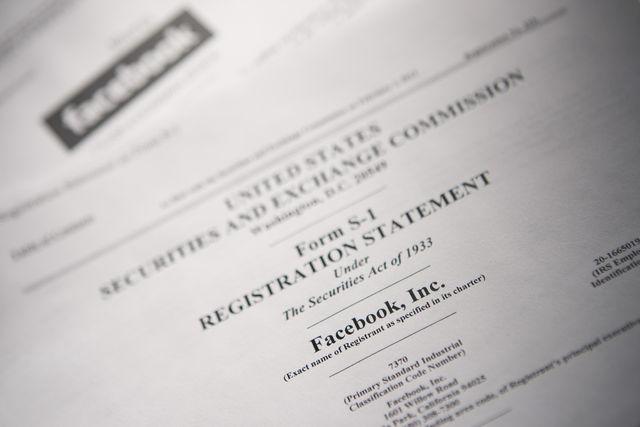 We’ll also know, definitely, how many users Twitter has. Last we heard, Twitter announced it had 200 million active users back in February. Time for an update! And we’ll get more details about what those users are doing; when Facebook filed its S-1, we found out how many “likes” and comments went up a day, how many photo uploads, and how many friendships there were.
Unfortunately, Twitter filed a confidential S-1 form, meaning we don’t get to see any of this. Which brings us to…
Wait, what’s a confidential S-1 form? And why did Twitter use it?
One of the provisions of the JOBS Act was that it meant “emerging growth companies” could submit their S-1 forms confidentially – as long as they made less than $1 billion a year. (So now we know that about Twitter, don’t we?)
IPOs are tough – there’s a ton of public scrutiny and haters say you’re going to fail, and a confidential form means we can only criticize so much.
So why file a confidential S-1 at all? It’s sort of a half-assed move, to be blunt. It gives Twitter the option to sort of “tip-toe” into an IPO, make sure everything looks good, and once it knows everything’s going according to plan, it will file the rest of the necessary papers and reveal all the dirt inside the S-1 form.
Also, IPOs are tough; there’s a ton of public scrutiny and haters say you’re going to fail. A confidential form means we can only criticize so much, because there isn’t anything new for us to actually get our grubby little hands on yet.
Groupon and Facebook both took huge hits during the IPO process; Groupon ended up making big changes to its company during this time and it ultimately hurt the company. A confidential S-1 means Twitter will have the luxury of fussing with the form behind closed doors, and we don’t have to know it made any mistakes.
But how much do we all hope Twitter has to for once and all make it clear how it deems you worthy for a Verified Badge?!
What’s the difference between an IPO and a pre-IPO?
It doesn’t really apply here (at least not yet), but if someone starts tossing around these terms, consider yourself informed: A pre-IPO is when a company allows private investors first go at stock before it actually hits the market. This is basically for rich people along with close friends and family. Also, there’s some – uh – “discussion” on whether or not this is legal. Sometimes, according to the SEC, it is most definitely not.
What does this mean for me?
As long as “me” is just your average, everyday user (not that you’re “average!” You’re great!), it doesn’t mean a whole lot. Basically, it means that Twitter will be responsible for making more people money and that more people – people who are very keen to make more money on investing in Twitter – will have a say in how the platform works.
If you look at Facebook over the past year, you might get a good idea of some of the changes that might be implemented over at Twitter. We could very easily see more mobile optimization, though Twitter has had an easier go at mobile than Facebook, so how drastically it approaches this will differ.
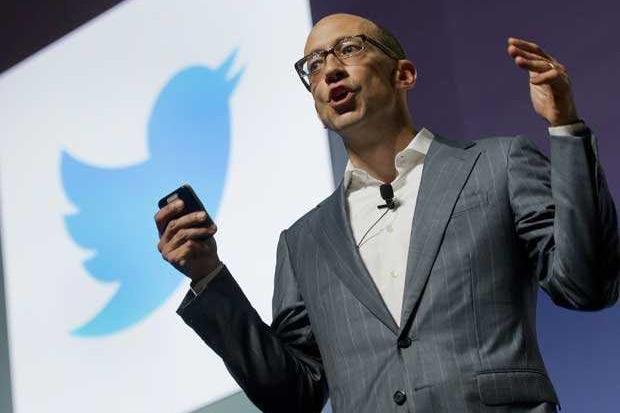 We could see more ads and brand presence on Twitter – perhaps more products geared to help marketers. If you’re a Twitter user who complains about being over-advertised to, you might want to prepare yourself.
It could also mean a spambot crackdown (although, I personally have mixed feelings about that because @Horse_ebooks should live forever). This could also affect the world of “Weird Twitter,” because the corporate and marketing worlds don’t exactly jive with the insanity of this tweeting subculture.
These are all things that happen anyway: We already get marketed to on Twitter, we’re already inundated with promoted tweets. It’s just that the degree of these money-making provisions is going to increase.
So… should I invest?
Oh that’s so cute! Pop culture really does make it seem that easy though, doesn’t? Just buy them shares up, Sally – swing by Wall Street and request a dozen Twitter shares, please and thanks!
It’s not quite that simple. Twitter will likely give some people an early go at stock. During Facebook’s IPO, the best way for the average person to get in on the action were through mutual funds (investment groups that own parts of a company, one example is BlackRock, which sank $80 million into Twitter in January), or a site like SecondMarket (which helps you become an accredited investor). But if you’re dead set on investing, expect a long road and difficult process ahead of (most of) you.
What will Twitter’s ticker symbol be?
Who knows – but there’s definitely a lot of conversation going on about it (per CNBC’s Storify). My personal vote is for “TWTR” because… common sense.


