1. Home
  2. Smart Home
  3. Legacy Archives

Western Union Ends Telegraph Service STOP

Add as a preferred source on Google

You might call Western Union one of the first companies to ride the boom in information technology: back in April, 1856, Western Union launched a service exploiting a very hot communication technology: the telegraph. Western Union’s claim to fame was their ability to send a message from one end of the U.S. to the other in less than a day. In 1861, the company finished its first transcontinental telegraph line, and since then it’s been getting more and more difficult to find some peace and quiet.

Sadly, those heady days of the (dare I say it?) dot-dash-dot boom are now officially over: Western Union has shut down its telegraph service as of January 27, 2006.

Recommended Videos

Some might argue the telegraph is an outmoded form of communication, what with telephones, mobiles, satellite communications, SMS, text messages, blogs, Web sites, RSS, and (of course) email, there are many ways to cheaply (and quickly!) send messages across town and around the world. But those people have surely never opened their door to a courier bearing one of those trademark yellow Western Union envelopes, let alone sent a telegram. In the last few years, they cost about $10 to send, and, within the U.S. and many parts of the world, usually arrived within a day.

Telegrams reached their peak in popularity between World War I and World War II, when it was far cheaper to send a telegram to a distant place than try to make a long distance phone call through a byzantine series of operators and switches. During World War II, however, people came to dread the sight of a Western Union courier, since the War Department (now known as the Department of Defense) sent death notifications via Western Union.

Like today’s text messages and email conventions, telegrams evolved their own forms of social engineering. Back in the day, punctuation cost extra in telegrams but a four-character word was no additional charge, so senders would end sentences with the word STOP rather than a period. Way Gr8! Although telegram use declined in recent decades (only about 20,000 were sent in 2004), some businesses still used them for formal communication, and individuals sometimes couldn’t resist the allure. Western Union mostly phased out courier service beginning in the 1970s, but up until 2001 telegrams were occasionally hand-delivered from local offices. And, in a high-tech twist, in more recent years customers could send telegrams via the Western Union Web page.

THANK YOU FOR MORE THAN A CENTURY
OF SERVICE STOP BEST ALWAYS STOP
Geoff Duncan
Former Contributor
Geoff Duncan writes, programs, edits, plays music, and delights in making software misbehave. He's probably the only member…
Remember Samsung’s Ballie home robot? It may finally be inching closer to reality
Leaked app wireframes give the strongest hint yet that Samsung's Ballie home robot, first shown at CES 2020, might still be headed toward an actual release.
Samsung Ballie robot in a room next to a dog feeder.

Samsung's rolling home robot has been the industry's longest-running "will it ever actually ship" joke, and I'll admit I'd mostly given up on it. Now, there's finally a glimmer of hope.

Samsung first unveiled Ballie as a concept at CES 2020. Then, it showed it as a significantly upgraded version four years later. However, the company never confirmed a release date or committed to releasing it at all. 

Read more
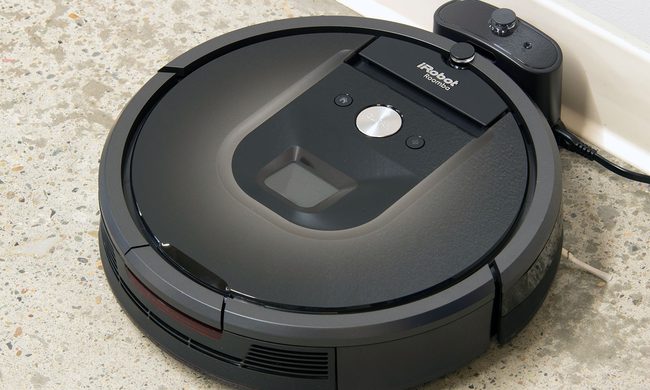
The US foreign-made robot crackdown is coming for future Roombas too
Future Roombas face new US sales hurdles, but existing models are unaffected
Roomba 980

The FCC has already made it much harder for foreign drone makers such as DJI to bring new products into the US. Now, the same crackdown is reaching a machine far more likely to be moving around your living room.

The US government recently added foreign-made advanced robotic devices to the FCC’s Covered List. The announcement appeared focused on humanoids, robot dogs, and industrial machines, but an FCC spokesperson has confirmed to The Verge that robot vacuum cleaners are covered too.

Read more
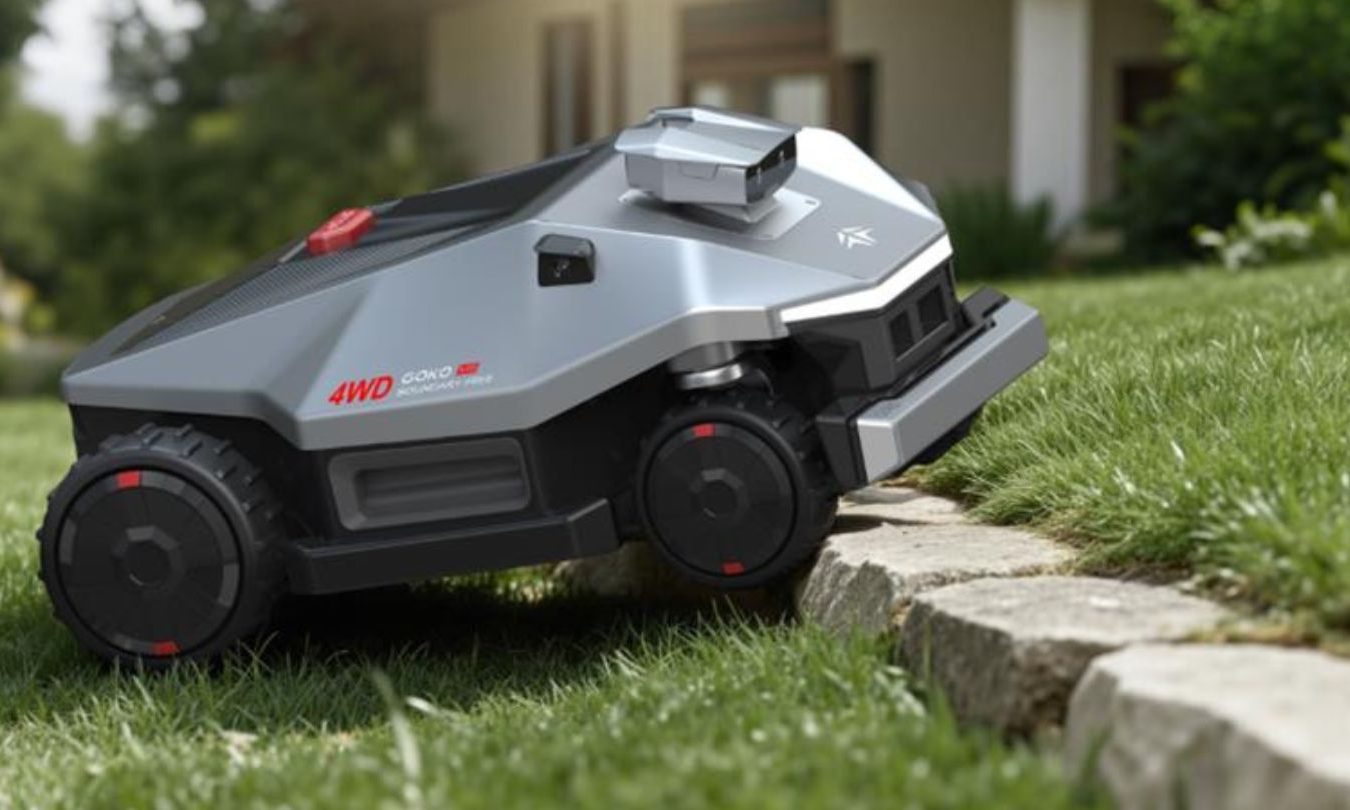
The GOKO M6 Robotic Lawn Mower Brings Industrial Robotics to Modern Lawn Care
7 reasons this AI-driven powerhouse makes hands-free yard work smarter than ever
Grass, Lawn, Plant

Robotic lawn mowers can save homeowners hours of manual yard work, but not every model is designed for challenging properties. While many perform well on flat lawns, larger yards with uneven terrain, steep slopes, and multiple mowing zones require a mower built for more demanding conditions.

Developed by GOKO, the consumer robotics brand of Robot++, the GOKO M6 is an industrial-grade 4WD AI-powered robotic lawn mower that brings more than a decade of industrial robotics expertise to residential lawn care. It combines AI-powered four-wheel drive, advanced navigation technologies, and AI QuadVision obstacle detection to tackle complex landscapes with less manual intervention.

Read more