1. Home
  2. Computing
  3. Apple
  4. Legacy Archives

Sandboxed Adobe Flash Player in Mavericks should increase security in Safari

Add as a preferred source on Google

Concerned about contracting malware in your brand new Mac OS X Mavericks install? This may make you breathe a little easier; Adobe has announced today that it will “sandbox” Flash into the Safari browser. The firm announced that it has engaged in a joint effort with Apple in order to protect Cupertino’s browser using what it calls OS X App Sandbox.

In an official blog post, Adobe Platform Security Strategist Peleus Uhley said that “Flash Player’s capabilities to read and write files will be limited to only those locations it needs to function properly. The sandbox also limits Flash Player’s local connections to device resources and inter-process communication (IPC) channels. Finally, the sandbox limits Flash Player’s networking privileges to prevent unnecessary connection capabilities.”

Recommended Videos

Uhley went on to tip his hat to Apple by saying “Safari users on OS X Mavericks can view Flash Player content while benefiting from these added security protections. We’d like to thank the Apple security team for working with us to deliver this solution.”

To this point, the Google Chrome, Microsoft Internet Explorer and Mozilla Firefox of Adobe Flash Player have all gotten the sandbox treatment. The sandboxing delay with respect to Safari may have something to do with the strained relationship between Adobe and Apple over the past few years. You may remember that former Apple CEO Steve Jobs admonished Flash back in April 2010, airing his thoughts on its issues with respect to security, performance and battery life, among other areas of concern the departed tech icon had. Jobs also said at the time that in an era of low power mobile devices, Flash “falls short.”

It appears as if some fences have been mended since then.

Konrad Krawczyk
Former Computing Editor
Konrad covers desktops, laptops, tablets, sports tech and subjects in between for Digital Trends. Prior to joining DT, he…
Apple fixes Hide My Email bug that exposed users’ real email addresses
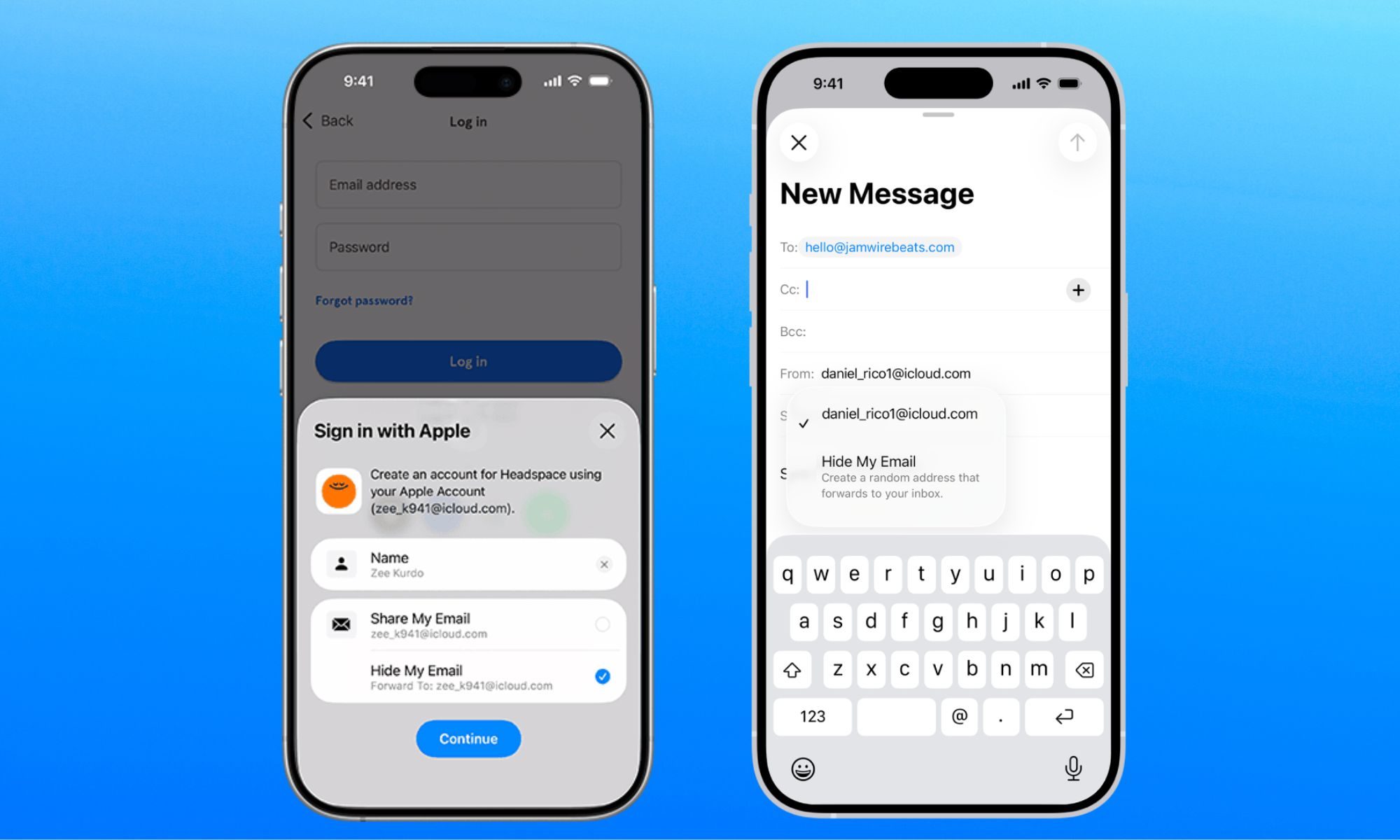
Here's how Apple's Hide My Email flaw leaked real addresses for over a year, and why it only got fixed once the story went public.
apple-merging-sign-in-with-apple-hide-my-email-icloud+

Turns out the "Hide" part of Hide My Email wasn't doing its job quite as advertised, something that I covered early in July. Security researcher Tyler Murphy reported the flaw in June 2025, but despite Apple claiming it was resolved in March 2026, independent tests confirmed it remained exploitable, at least until July 3, 2026.

So how did this bug actually work?

Read more
Gemini Notebook’s new Collections arrive just as Google turns it into a bigger workspace
Google is cleaning up notebook organization as the former NotebookLM expands across Gemini and Search
Gemini Notebook branding on a MacBook

Google has barely finished renaming NotebookLM, and it’s already addressing one of the headaches that comes with building a large research library.

Collections are rolling out to all Gemini Notebook users, giving them a way to group related notebooks while keeping everything visible under My Notebooks. The dashboard gets some structure without asking users to rearrange the library they’ve already built.

Read more
Samsung’s humanoid robot ambitions are real, but factories come first
Samsung’s new robotics division has humanoids in its sights, although its immediate business is far more practical factory automation
Robot Touch Human Finger

Samsung wants a place in the humanoid race, but its new robotics push begins with machines built for factories rather than homes.

The CEO-led RX robotics division will initially focus on manufacturing robots. Samsung has separately identified humanoids as a priority, although it hasn’t announced a commercial model or explained where one fits into the division’s immediate plans.

Read more