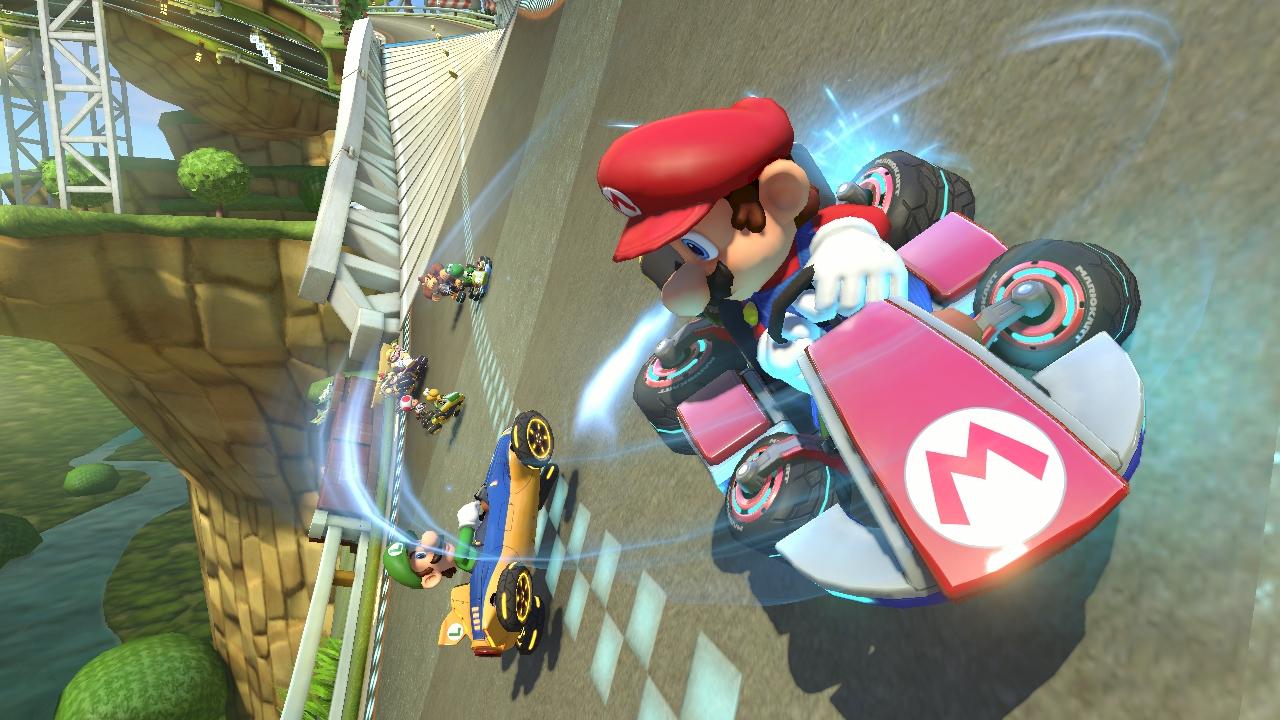
For a column intended to sift through the often obscure world of import gaming and international game development, Jetsetter devotes a whole lot of time to talking about Nintendo. The House of Mario is an international corporate force, its consoles are available from Kenya to Kazakhstan, and its Italian plumber mascot has been more recognized than Mickey Mouse since 1997. Despite its reach though, the company itself and how it is run is arguably the most mysterious guiding force in both the video game industry and the craft of game design. To an importer, it remains one of the few purveyors of console and handheld games that are regularly only released outside of the U.S. As the column discussed just two short weeks ago, the Nintendo releases coming out of Great Britain provide some of the best, most-language accessible import experiences an American gamer could ever ask for. But will it remain a company that continues making games that are often intensely regional?
Will it keep making games like Tomodachi Collection, like Band Brothers, like Tingle’s Freshly Picked Rosey Rupeeland? The question on every industry pundit and tech stock follower for the past three years has been the same: Is it time for Nintendo to start publishing its games on other platforms? Pokemon for iPhone, New Super Mario Bros. for Xbox One, The Legend of Zelda on PS4, Animal Crossing for PC. It’s the path Sega eventually had to take. Is it time to spread the wealth and give up the economic dream of making hardware specifically to control the profits of your intensely profitable games? The short answer is no.
Now’s not the time. As insane as many of Nintendo’s recent business decisions have been – and as unlikely as it is to sell its projected 9 million Wii U consoles by the end of the fiscal year in March 2014 after selling less than 4 million so far – Nintendo is not under pressure to change anything. Not yet. It’s got roughly $12 billion in liquid assets. It can just hang out for awhile if it wants.
 In the unlikely event that Nintendo’s consoles become so unpopular globally that it needs to scale back its operations, there’s actually another survival approach Nintendo could take if it didn’t want to give up the hardware business: It could become a purely domestic business again. Nintendo is popular enough, and such a significant economic force in Japan that it could survive by purely catering to that market. It won’t happen naturally, but if Nintendo really needed to survive, it could by closing ranks and focusing on Japan alone.
Consider the 100 best selling games of the past 13 years in Japan. Published by Famitsu Magazine (and brought to use by NeoGAF user Road), 72 of those best sellers are Nintendo exclusives. In fact, only two games in the top 20 – Dragon Quest VIII for PS2 and Monster Hunter Freedom 3 for PSP – aren’t on Nintendo platforms. The New Super Mario Bros. series, Animal Crossing, Pokemon, Wii Fit, Brain Training … even as the Japanese video game market shrinks, these are the games that have kept that industry alive.
It would hurt to lose the international audience, but it also means Nintendo wouldn’t be spending the money necessary to operate an international business. It wouldn’t have to manufacture the Nintendo 3DSs and Wii Us to cater to the global audience, just the smaller market in its native Japan. It could go back to selling its hardware at a profit upon release provided it kept up the same level of quality that it has with its games these past thirteen years. Nintendo could survive. It wouldn’t only make curios for import gamers. Import gamers would be the only Nintendo gamers outside of Japan.
It probably won’t happen since Nintendo is a publicly traded company. Its investors would unseat Nintendo’s executives, and the company would start publishing games on multiple hardware platforms before it would ever give up its international brand clout. As Famitsu’s numbers show though, Nintendo will continue to give special attention and development resources to its domestic business. The company knows where it’s bread is buttered after all. And that’s why Jetsetter will continue to cast its eye at the Big N.