Cut, copy, paste, and undo are still some of the fastest Windows shortcuts you can learn. They work across most Windows 11 apps, whether you’re writing an email, editing a document, filling out a form, or moving text around without reaching for your mouse every few seconds.
The main shortcuts are simple: Ctrl + X to cut, Ctrl + C to copy, Ctrl + V to paste, and Ctrl + Z to undo. There are a few extra tricks worth knowing too, especially if you want to select text without a mouse, paste without formatting, or fix shortcuts that suddenly stop working.
Quick glance at the cut, copy, paste, and undo shortcuts
Cutting, copying, pasting, and undoing text on Windows is quick once you know the basic shortcuts:
- Cut: Ctrl + X
- Copy: Ctrl + C
- Paste: Ctrl + V
- Undo: Ctrl + Z
For other operating systems, see our general guide on how to copy and paste. Below, we’ll look at each shortcut, what it does, and a few related commands that can save time.
Selecting text and moving your cursor without a mouse
The first step to cutting, copying, or pasting text is selecting what you want to move or duplicate. You can do this with your mouse, but Windows also lets you select text from the keyboard.
Use the arrow keys to move your cursor one character or line at a time. You can also use Page Up, Page Down, Home, and End to move more quickly through text. Home moves the cursor to the beginning of the current line, while End moves it to the end.
To highlight text, hold Shift while moving the cursor with the arrow keys or navigation keys. This is especially useful when you’re editing longer text and don’t want to keep switching between your keyboard and mouse.
Note: Some keyboard layouts are different, so your physical keyboard may not match every example exactly.
Cut shortcut: Ctrl + X
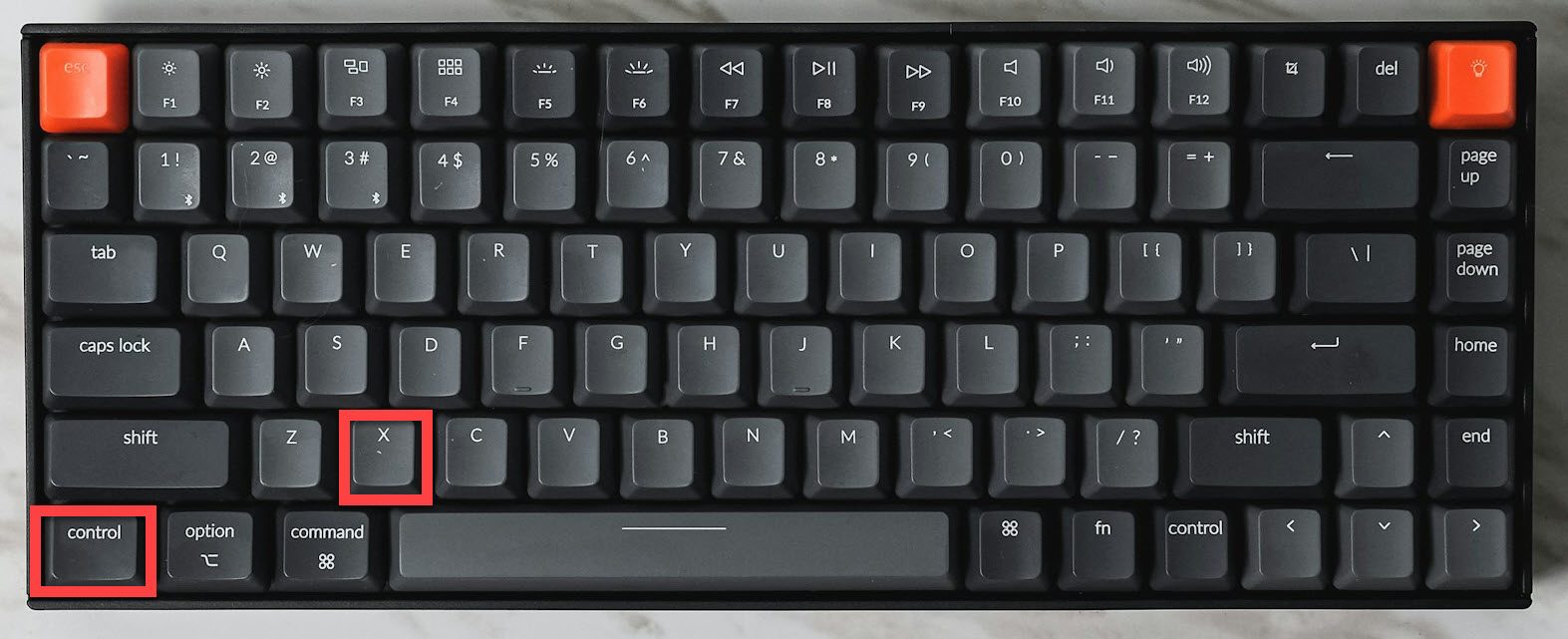
The Ctrl + X shortcut removes selected text from its current location and sends it to the Windows clipboard. Once it’s on the clipboard, you can paste it somewhere else with Ctrl + V.
This is useful when you’re rearranging text in a document, moving information from one field to another, or cleaning up a draft without deleting something permanently. Think of it as “move this,” not “erase this.”
Windows also supports clipboard history. Press Windows key + V to open it. If clipboard history isn’t already enabled, Windows will ask you to turn it on the first time you use the shortcut. After that, you can choose from recent items you’ve copied or cut, rather than being limited to the most recent one.
Copy shortcut: Ctrl + C

The Ctrl + C shortcut copies selected text to the clipboard without removing it from its original location. Use this when you want to duplicate text, numbers, links, or other selected content.
Copying is safer than cutting when you’re not sure whether you’ll need the original text later. For example, you can copy a confirmation number from an email, paste it into a form, and leave the original message untouched.
You can also use Ctrl + Insert as an alternate copy shortcut on many Windows keyboards. It’s less common now, but it can be useful if your hands are already near the navigation keys or number pad.
Paste shortcut: Ctrl + V
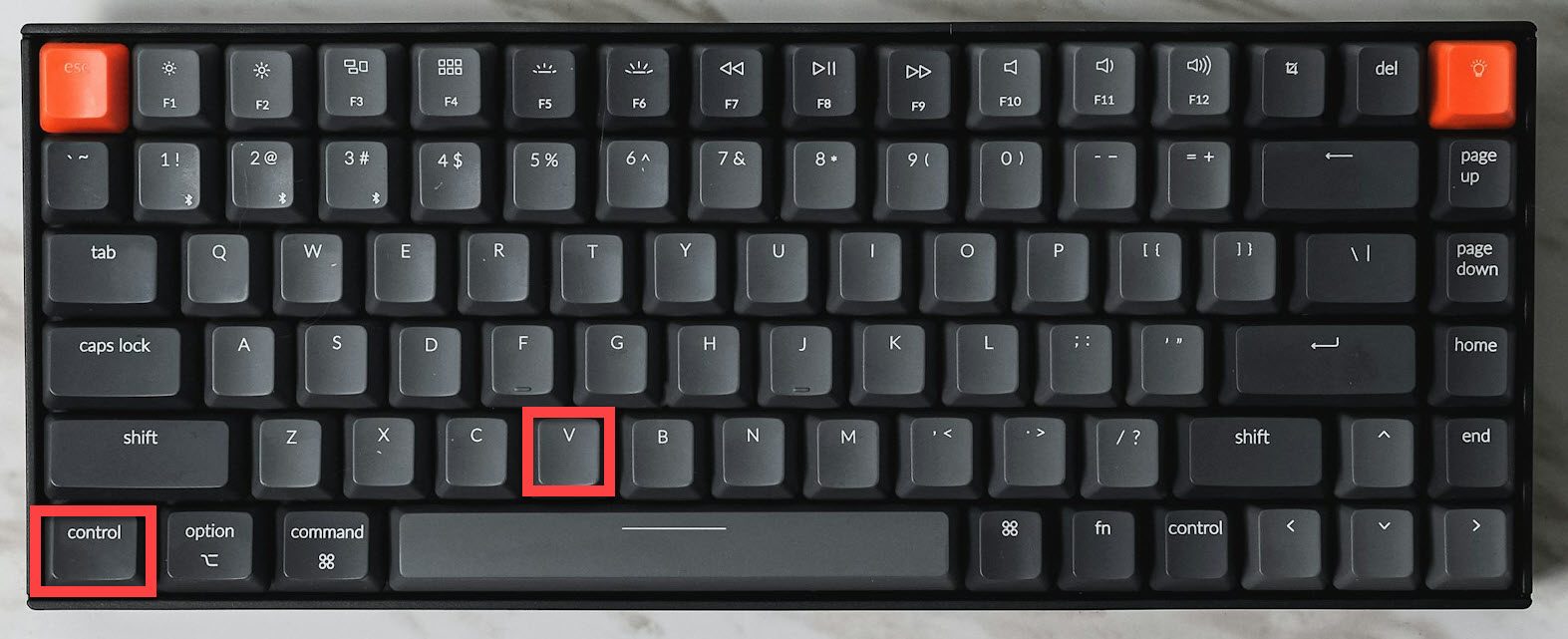
The Ctrl + V shortcut pastes the current clipboard item wherever your cursor is placed. If you copied or cut text, that text appears at the cursor location. If you’re pasting into a form, spreadsheet, document, or browser field, make sure the right area is active first.
Formatting often comes along for the ride when you paste. That can be helpful in a document, but annoying when you’re pasting into a form or trying to match the style of existing text. In many Windows apps, Ctrl + Shift + V pastes without formatting. Microsoft lists this as the plain-text paste shortcut in Windows, but app support can vary.
You can also use Shift + Insert as an alternate paste shortcut in many apps. Like Ctrl + Insert, it’s an older shortcut, but it still works in plenty of places.
Undo shortcut: Ctrl + Z
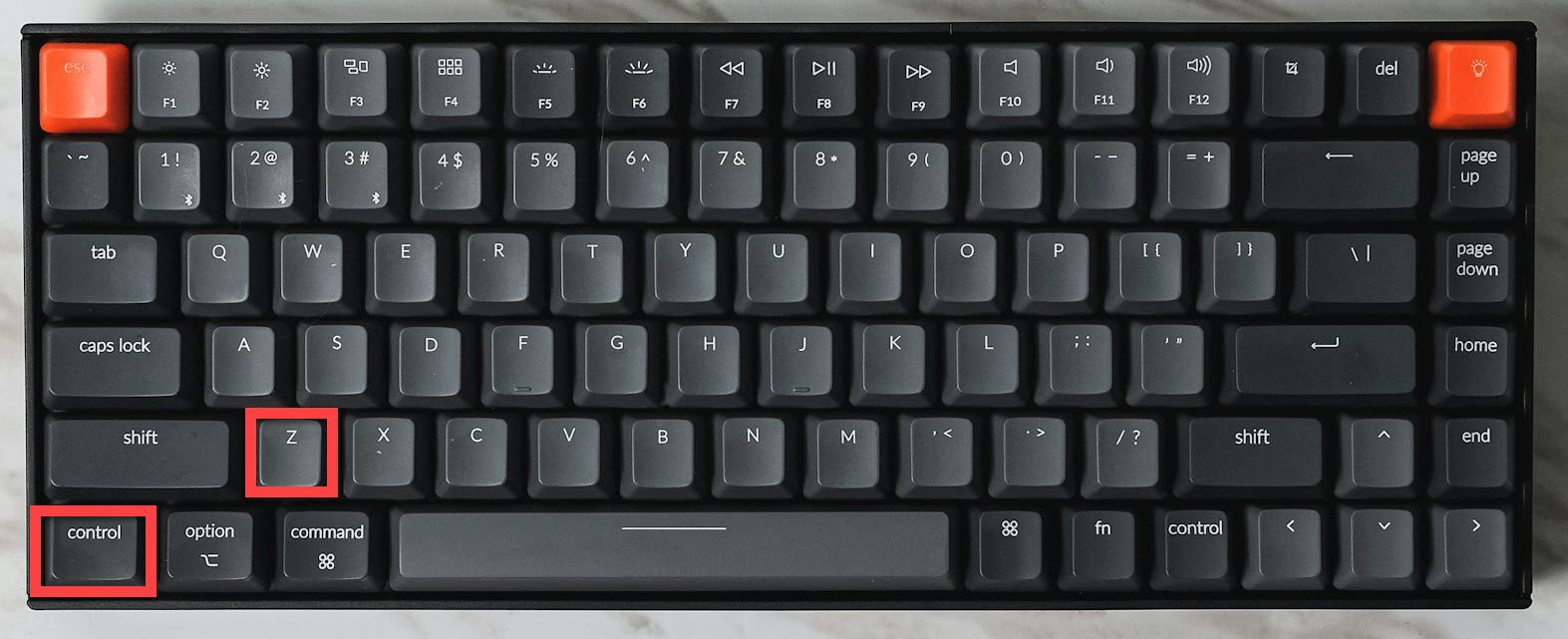
The Ctrl + Z shortcut reverses your last action. If you deleted a sentence, pasted the wrong text, or moved something by mistake, Ctrl + Z is usually the fastest way to recover.
Many Windows apps support repeated undo commands, so pressing Ctrl + Z more than once can step backward through several recent actions. That said, undo behavior is not identical everywhere. Some apps keep a long history, while others only undo the most recent change or don’t support undo for every action.
If you’re working in a high-stakes document, spreadsheet, CMS, or form, it’s still smart to save your work before making large edits. Ctrl + Z is helpful, but it is not a legal guardian.
What to do if keyboard shortcuts don’t work
Most Windows apps support cut, copy, paste, and undo, but not every app handles shortcuts the same way. Microsoft notes that common shortcuts work most of the time, but they may not work in every single app.
If a shortcut isn’t working, start with the basics:
- Make sure the app or field you want to edit is active.
- Click inside the text field or document, then try the shortcut again.
- Check whether the text is actually selected before using cut or copy.
- Try the right-click menu as a backup.
- Restart the app if shortcuts suddenly stop responding.
- Check your keyboard layout if the wrong keys seem to respond.
- Disable or review keyboard remapping tools if your shortcuts behave strangely.
If Ctrl + V doesn’t paste anything, the clipboard may be empty, the app may block pasting, or you may be trying to paste into a field that doesn’t accept that type of content.
An extra tip on working between apps
Cut, copy, paste, and undo are basic Windows shortcuts, and they work across most familiar apps, including browsers, email clients, word processors, spreadsheets, and many desktop tools.
Online forms and web apps can be less predictable. Some support the same shortcuts perfectly, while others may block pasting, handle undo differently, or interfere with keyboard commands. Before relying on shortcuts in a new app, test them with low-risk text first.
Once these commands feel automatic, you can build from there with other Windows 11 keyboard shortcuts.