1. Home
  2. Computing
  3. Phones
  4. News

Sora imposters run amok on the App Store – here’s how to find the real one by OpenAI

Add as a preferred source on Google
Depiction of OpenAI Sora video generator on a phone.
Nadeem Sarwar / Digital Trends

What’s happened? Sora’s release buzz opened up the door for opportunists. Some clones were brand-new, while others were older apps that slapped on “Sora” naming right after the official launch to ride search momentum.

  • According to TechCrunch, App Store analysts Appfigures counted more than a dozen Sora-branded titles post-launch, over half leaning on “Sora 2” to snag keyword traffic.
  • Together, the fakes reached about 300,000 installs, including 80,000 after Sora’s debut, and pulled in more than $160,000.
  • This is after OpenAI confirmed Sora 2 topped 1 million downloads at record speed.
  • Apple did remove many listings, but examples like “PetReels, Sora for Pets,” “Viral AI Photo Maker: Vi-sora,” and “Sora 2, Video Generator Ai” were not immediately taken down. One top fake, “Sora 2, AI Video Generator,” topped 50,000 installs.

This is important because: Hot app launches create such a buzz that users aren’t always as careful over what they download. When trademarked names slip past review, people tap the wrong result, pay for the wrong thing, and that can erode trust in app download portals.

  • Keyword gaming has worked well here, and quickly. It mean renaming titles can vault junk apps into your search results.
  • Review blind spots become headlines, and mean users will need to be more vigilant when looking for a popular new app.
Recommended Videos

Why should I care? Because one careless tap can cost you. Copycats turn curiosity into charges and is a mess to untangle. You might think you’re grabbing OpenAI’s app and then suddenly you’ve been charged for a substandard app with ease.

  • Your wallet is the first target as many clones push free trials that flip to pricey subscriptions before you notice.
  • Low-quality apps often ask for more access than they need, which could let in malware. This is why it’s important to always read and understand what permissions the app needs.

Okay, so what’s next? Apple is still clearing out fakes, and interest in the real app keeps climbing. You can avoid the noise with a couple of quick checks and get to OpenAI’s listing without the guesswork.

  • Search for “Sora by OpenAI” and confirm the publisher shows as OpenAI.
  • Your best route is a trusted link from OpenAI’s site or social accounts, then reporting any obvious fakes from the App Store page.
Paulo Vargas
Paulo Vargas is an English major turned reporter turned technical writer, with a career that has always circled back to…
Apple’s historically high tax for RAM upgrades on Macs has now become absurd
Mac RAM upgrade prices have doubled amid the global memory crunch
MacBook Pro.

Apple’s Mac RAM upgrades were already expensive enough to raise eyebrows. After the company’s latest round of price hikes, some of them now look ridiculous.

Apple recently raised prices across its Mac and iPad lineup, along with other products, citing rising memory and storage costs. The supply crunch is real, but Mac buyers were paying steep premiums for RAM and SSD upgrades long before this jump. Recent MacBook Pro configuration screenshots shared by 9to5Mac show how much worse the upgrade path has become.

Read more
Windows 11 is getting a new Screen Tint mode, and your eyes might thank Microsoft
Users can apply custom color overlays to reduce screen intensity and visual fatigue.
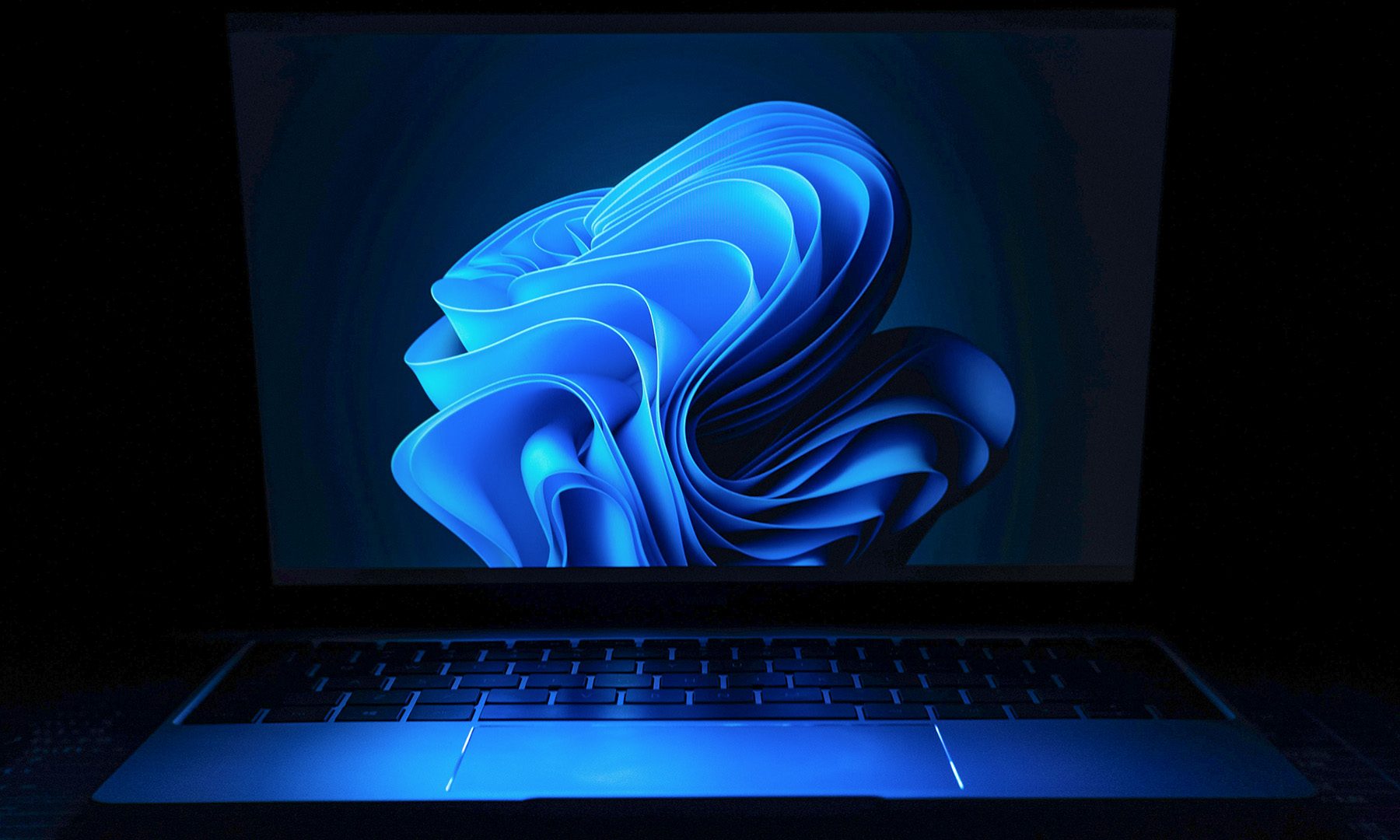
Windows 11 on a laptop

Microsoft is testing a new accessibility feature for Windows 11 called Screen Tint, and it could be one of those small additions that make a surprisingly big difference. Instead of changing your display's color temperature like Night Light, Screen Tint applies a customizable color overlay across the entire screen, making bright displays easier on the eyes during long work or gaming sessions.

A softer screen for tired eyes

Read more
Apple’s looking at a politically radioactive fix for the memory crisis, and the US government isn’t happy about it
Apple blamed memory costs for your price hike. Its proposed solution involves a Pentagon blacklist.
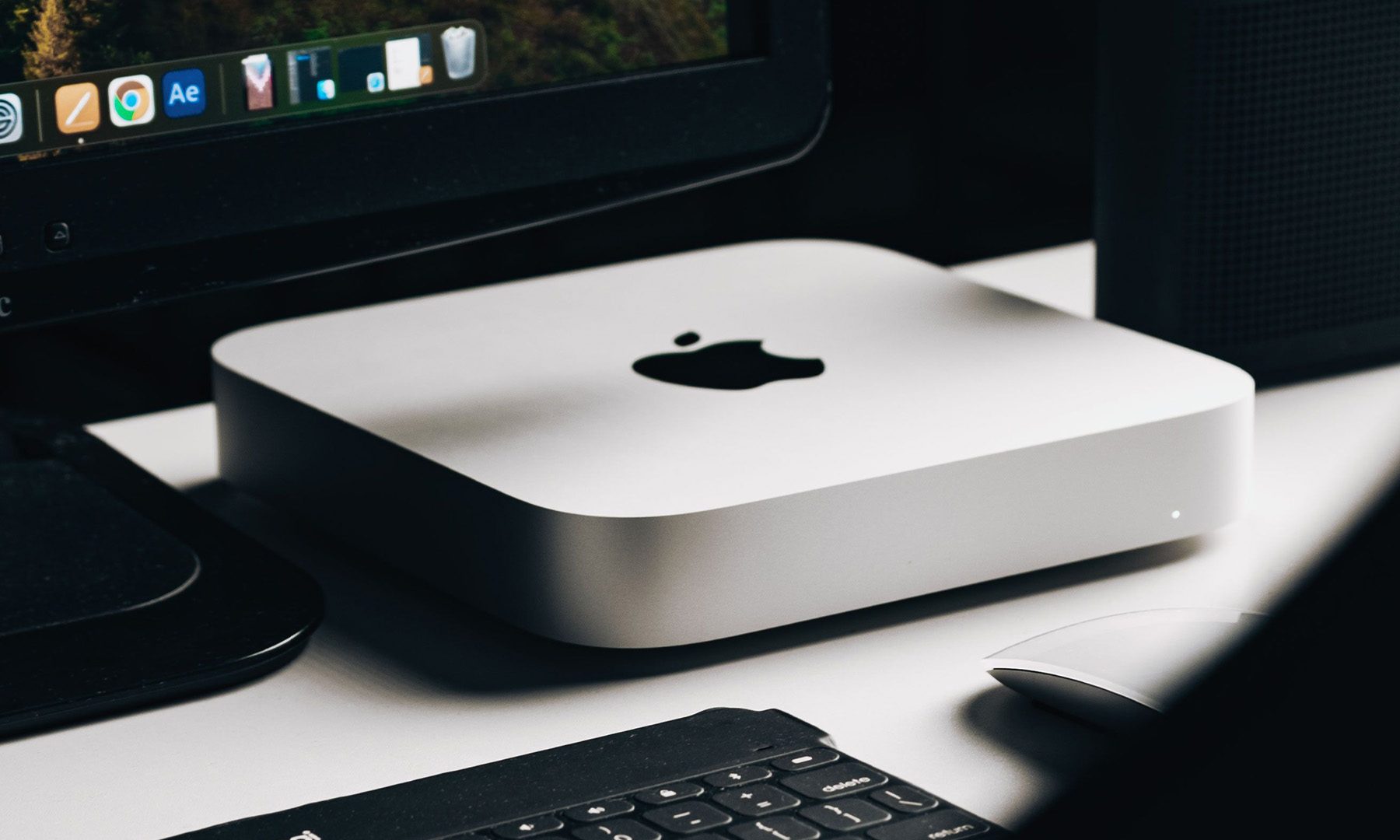
Apple Mac Mini on a Desk

A few days ago, Apple announced an ugly mid-cycle price hike, blaming the worsening-by-the-day memory crisis. According to the Financial Times, the company is now lobbying the government for approval to buy memory chips from a Chinese company. 

The company in question is CXMT, a Chinese chipmaker that the Pentagon added to its Chinese Military Company blacklist for alleged ties to the Chinese army.

Read more