1. Home
  2. Smart Home
  3. Legacy Archives

RIAA Targets Transferring Music to PCs

Add as a preferred source on Google
RIAA Targets Transferring Music to PCs
Image used with permission by copyright holder

The Recording Industry Association of America (RIAA) hasn’t won many friends in the public sphere lately, what with filing tens of thousands of lawsuits against music fans believed to be distributing music online in violation of copyright, sending letters to college students and others threatening legal action unless they pay a settlement, and (of course) falsely targeting many individuals in these actions.

But in an unusual move in a file-sharing case the RIAA is brining against Arizona resident Jeffrey Howell, RIAA attorney Ira Schwartz characterizes MP3 files Howell allegedly shared via the Internet as "unauthorized copies." (PDF) The catch? These are MP3 files Howell created from music CDs he legally purchased.

Recommended Videos

Although this is the first time the RIAA has made such a claim in court filings, it is not the first time the organization has floated the concept that transferring music from a legally-purchased CD to a computer for personal use constitutes an "unauthorized copy" in violation of copyright law. Earlier this year, Jammie Thomas was ordered to pay $220,000 in damages for songs she shared online; in that case, the head of Sony BMG’s litigation team Jennifer Pariser testified she believed transferring your own CDs to a computer constituted theft. According to Pariser, transferring a song to a computer for personal use is "a nice way of saying ‘steals just one copy.’"

The idea that transferring music from a legally purchased CD to a computer for personal use has commonly been considered to fall within the realm of "fair use," an exception to copyright law that permits limited use of copyrighted material without requiring permission from the copyright owners or administrators. However, this particular application of fair use has never been upheld by a court. By specifically citing transferring music to personal computers as an unauthorized copy, the RIAA is possibly hoping to set legal precedent that these copies are not protected by the fair use exception.

Conversely, if RIAA does not win the case, they may set precedent that such copies fall within the realm of fair use.

Howell maintains that the digital music files on his computer were for personal use only and transfer to portable devices, and were intended solely for private use.

Geoff Duncan
Former Contributor
Geoff Duncan writes, programs, edits, plays music, and delights in making software misbehave. He's probably the only member…
Remember Samsung’s Ballie home robot? It may finally be inching closer to reality
Leaked app wireframes give the strongest hint yet that Samsung's Ballie home robot, first shown at CES 2020, might still be headed toward an actual release.
Samsung Ballie robot in a room next to a dog feeder.

Samsung's rolling home robot has been the industry's longest-running "will it ever actually ship" joke, and I'll admit I'd mostly given up on it. Now, there's finally a glimmer of hope.

Samsung first unveiled Ballie as a concept at CES 2020. Then, it showed it as a significantly upgraded version four years later. However, the company never confirmed a release date or committed to releasing it at all. 

Read more
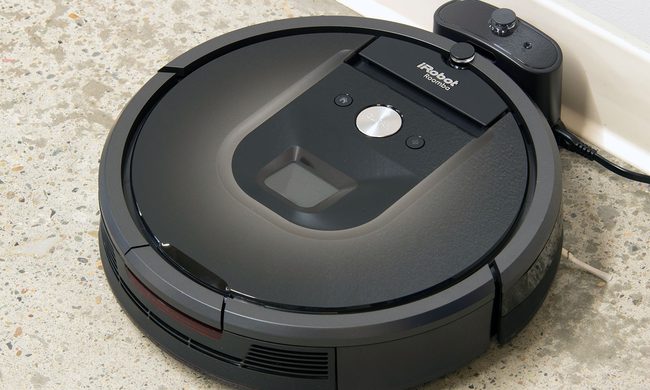
The US foreign-made robot crackdown is coming for future Roombas too
Future Roombas face new US sales hurdles, but existing models are unaffected
Roomba 980

The FCC has already made it much harder for foreign drone makers such as DJI to bring new products into the US. Now, the same crackdown is reaching a machine far more likely to be moving around your living room.

The US government recently added foreign-made advanced robotic devices to the FCC’s Covered List. The announcement appeared focused on humanoids, robot dogs, and industrial machines, but an FCC spokesperson has confirmed to The Verge that robot vacuum cleaners are covered too.

Read more
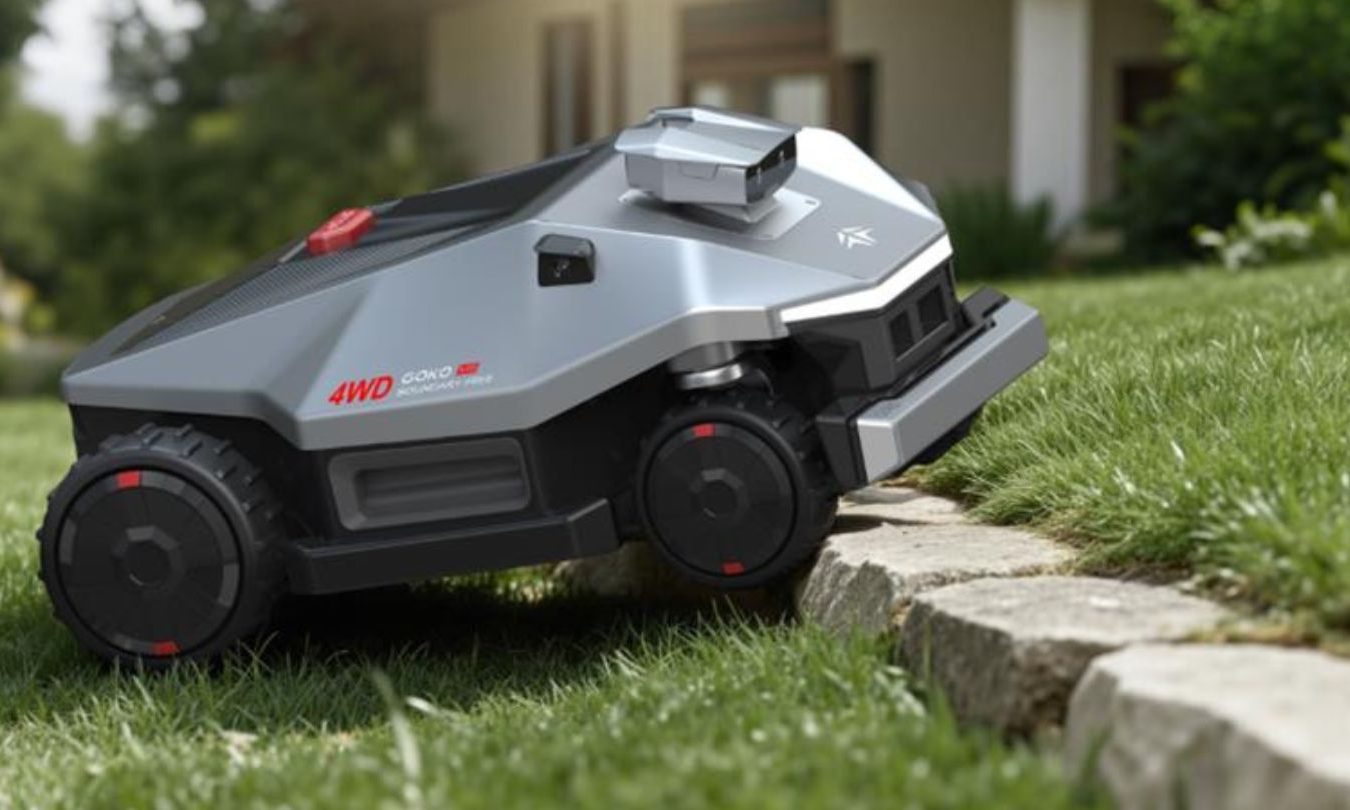
The GOKO M6 Robotic Lawn Mower Brings Industrial Robotics to Modern Lawn Care
7 reasons this AI-driven powerhouse makes hands-free yard work smarter than ever
Grass, Lawn, Plant

Robotic lawn mowers can save homeowners hours of manual yard work, but not every model is designed for challenging properties. While many perform well on flat lawns, larger yards with uneven terrain, steep slopes, and multiple mowing zones require a mower built for more demanding conditions.

Developed by GOKO, the consumer robotics brand of Robot++, the GOKO M6 is an industrial-grade 4WD AI-powered robotic lawn mower that brings more than a decade of industrial robotics expertise to residential lawn care. It combines AI-powered four-wheel drive, advanced navigation technologies, and AI QuadVision obstacle detection to tackle complex landscapes with less manual intervention.

Read more