1. Home
  2. Computing
  3. Web
  4. Legacy Archives

Bright House Networks to become first cable provider to offer 1GB in-home broadband

Add as a preferred source on Google

Bright House Networks, a regional cable provider, will be the first to offer 1GB/s symmetrical Internet service to residential customers in the U.S.  The new service, dubbed “UltraFI,” will offer eligible consumers fiber-based Internet service which big cable companies like Time Warner traditionally reserve for larger business accounts.

It’s worth noting that Google Fiber, a non-cable broadband provider, offers packages to personal accounts in Kansas City and Austin. Even with their recently announced plans to bring their service to more than 30 new markets, those plans will not bring them to Bright House’s turf, which is primarily in Central Florida.

Recommended Videos

According to the Wall Street Journal and Multichannel News, UltraFI will roll out very slowly, beginning with a single residential area in Tampa, Florida, at the heart of the company’s consumer base. Instead of offering the service to existing providers, however, Bright House will partner with real estate developer Metro Development Group to integrate the service into a planned residential community called Union Park this spring.

“Bright House Networks has designed a fiber-to-the-home network solution for MDG because of the very specific applications the Developer has planned for its communities,” said Bright House Networks President Nomi Bergman in a prepared statement. “We are confident both Bright House and MDG can provide superior products and services now and into the future.”

Pricing information for the UltraFI service has yet to emerge. We’re wondering how they’ll compare with Google Fiber’s offerings, despite the fact that it isn’t offered in Central Florida, nor is that area on Google’s road map for Fiber at this point in time.

What do you think? Sound off in the comments below.

Mike Epstein
Former Associate Editor, Gaming
Michael is a New York-based tech and culture reporter, and a graduate of Northwestwern University’s Medill School of…
Topics
Apple’s 2026 Back to School promo saves you up to $150 on a new Mac or iPad
The exact amount depends on which device you buy, but the offer doesn't apply to all Mac and iPad models.
Apple Back to School 2026 featured

Apple has kicked off its 2026 Back to School promotion, and this year's offer swaps out the free accessory bundle from last year with gift cards. Eligible buyers who purchase a MacBook Pro get a $150 gift card, while a MacBook Air, iPad Pro, or iPad Air earns a $100 gift card. The promotion runs through August 27 in the US, with international versions rolling out on different timelines and, in some regions, different rewards entirely.

Not every device is eligible

Read more
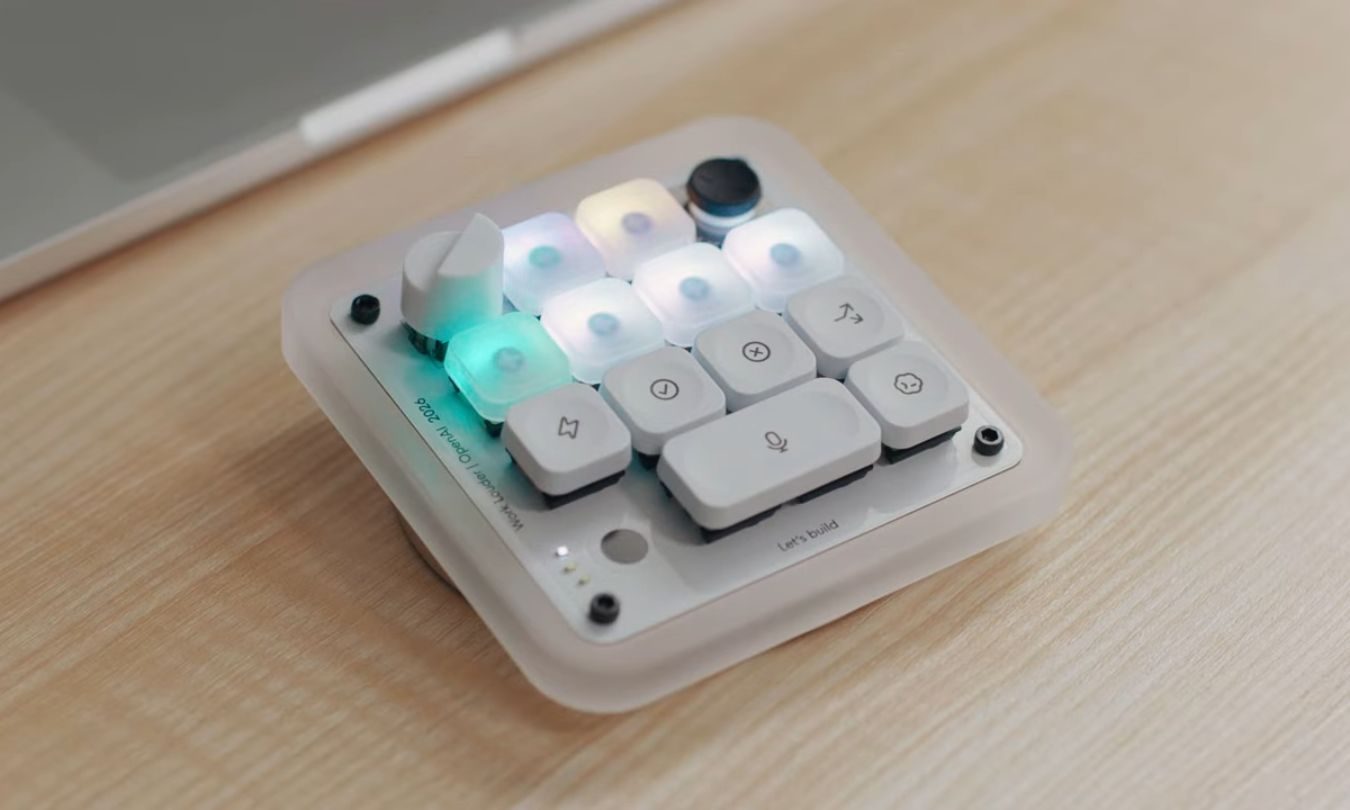
OpenAI made a tiny $230 keyboard that lets you turn up an AI’s brainpower
The Codex Micro puts reasoning settings, agent status lights, and programmable AI shortcuts directly on your desk
Electronics, Phone, Mobile Phone

OpenAI has made a $230 mini keyboard that lets Codex users adjust how hard its AI thinks with a physical dial. The Codex Micro also provides dedicated buttons for launching workflows and checking on active agents without bouncing between chats.

Developed with keyboard maker Work Louder, the compact Mac and Windows accessory connects over Bluetooth or USB-C. OpenAI’s store currently lists it as out of stock, although the company says more units are coming.

Read more
Google rejects alarming report that says its Search AI tools are unsafe for kids
The company says it couldn’t reproduce many of the responses cited and argues that the testing doesn’t reliably measure product safety
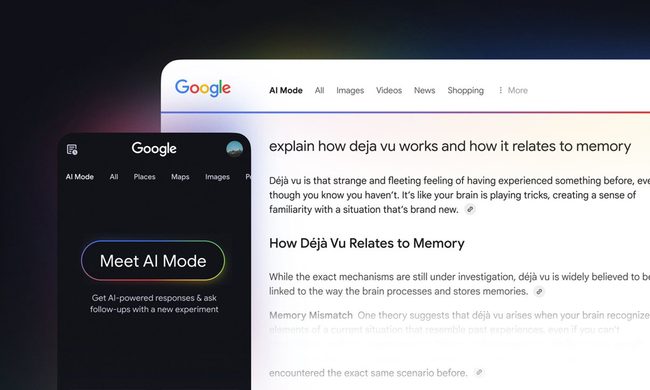
Google AI Mode on mobile and desktop

Google has rejected a new report that labels its AI-powered Search features an “unacceptable risk” for children and teenagers.

Common Sense Media’s Youth AI Safety Institute gave AI Overviews and AI Mode its lowest overall rating. The two tools performed poorly against seven of the institute’s eight AI safety principles and failed every category involving potentially severe harm. Google says those findings came from searches that don’t resemble how people normally use its products.

Read more