1. Home
  2. Phones
  3. News

Google Play Store wants proof you’re an adult before you hit ‘Install’

No fake birthdays allowed!

Add as a preferred source on Google
google-play-store-age-verification
Victoria / Pixabay

What’s happened? Google has started rolling out age verification on the Play Store, and that means your next download might require proof that you are 18 or older. Screenshots of the verification prompt were shared by Artem Russakovskii on X, showing users being asked to confirm their age.

Here’s how https://t.co/ogey8UJ8vN works: https://t.co/rCqsnwYrrr.

“We will use your email address to estimate your age and determine whether you’re 18+.

This is done by reviewing sites and apps where you’ve previously used this email address. If we are unable to estimate your…

— Artem Russakovskii (@ArtemR) October 27, 2025

The change, now appearing in select regions, will ask users to verify their age using one of several methods:

  • Upload a government-issued ID.
  • Take a selfie for facial age estimation.
  • Use a credit or debit card with a temporary refundable charge.
  • Verify via email through a third-party age-estimation provider such as Verifymy.io
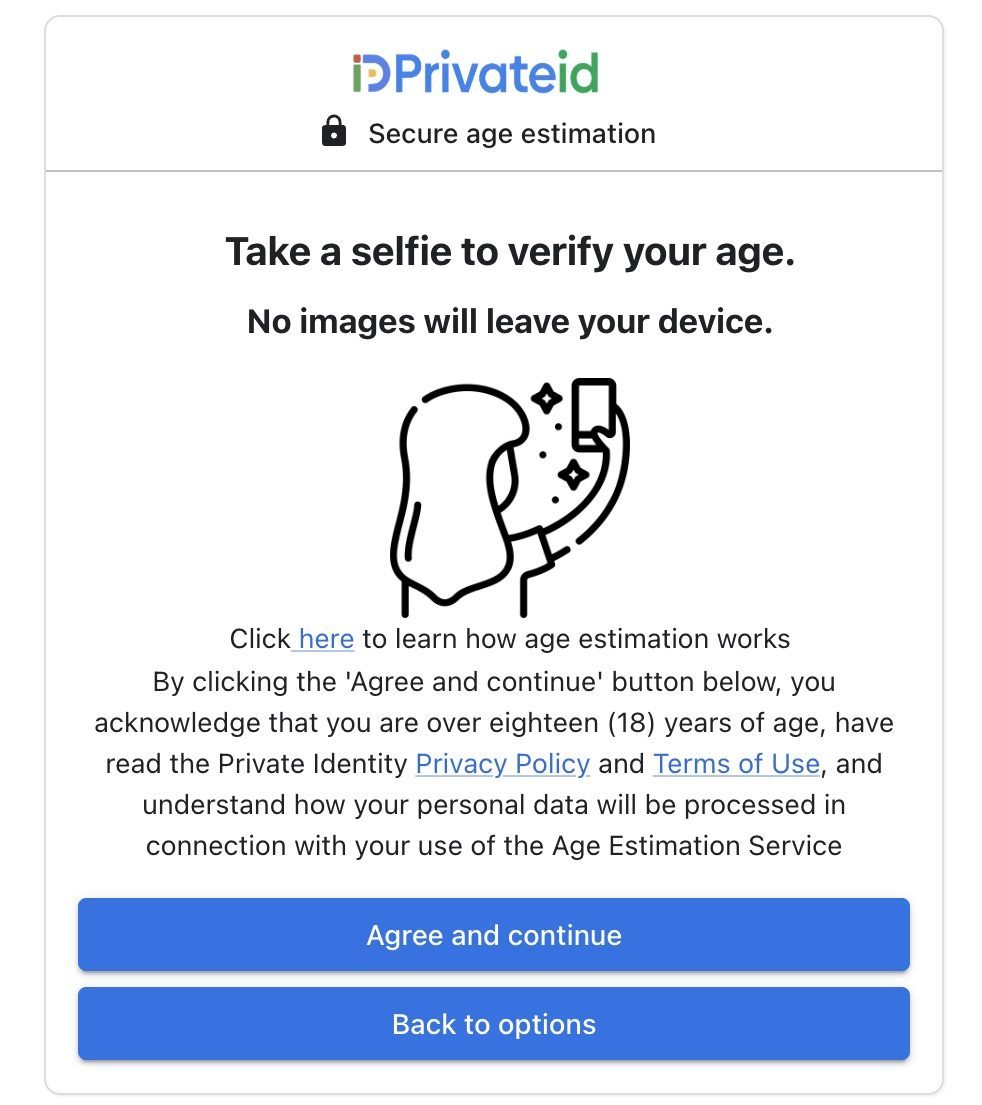
The new age verification system is being deployed gradually. However, users in some markets may not see the prompt at all, and the available verification methods can differ by country.

Recommended Videos

This is important because: The Play Store is home to millions of apps, including games and platforms that are unsuitable for younger audiences. With new digital regulations tightening worldwide, Google is under pressure to ensure age-restricted content doesn’t reach minors.

  • Google says the rollout is linked to new regulatory requirements in the U.S., where states like Texas, Utah, and Louisiana have passed laws mandating age verification for app stores.
  • For these states, Google has already published timelines and developer guidelines.
  • However, some users may feel uneasy about sharing personal documents or ID data with Google, even for verification purposes.

Why should I care? If you use the Play Store regularly, here are the key takeaways:

  • You may have to submit personal verification before downloading apps flagged for 18+ access, especially if you are in the early rollout regions.
  • Developers will need to implement age-signal APIs, parental consent flows, and handle new regulatory requirements; failure to comply could restrict app installs in many regions.
  • For parents and guardians, this could give more confidence that age-inappropriate apps aren’t reaching children, especially when paired with parental control apps.

Whether this move is a win for safety or a headache for privacy depends on how smoothly this rollout goes.

Manisha Priyadarshini
Manisha Priyadarshini is a tech and entertainment writer with over nine years of editorial experience.
Galaxy S27 Ultra price hike looks unavoidable as component prices continue to spiral
Higher RAM, storage, and processor costs could hit the Galaxy S27 Ultra
Samsung Galaxy S26 Ultra

The Galaxy S27 series is still several months away, but the first price hike rumor has already arrived. According to tipster kro on X, the Galaxy S27 Ultra could cost up to 150,000 won more than its predecessor in South Korea, which works out to around $104.

Of course, a Korean price increase does not guarantee an identical hike in the US or other markets. However, the claim is not difficult to believe considering Samsung’s recent warnings about rising component costs.

Read more
Google just canceled its AI Studio mobile app, and it’s not all bad news
Logo, Symbol, Disk

Google AI Studio was on track to make its way to Android and iPhone, giving developers and AI enthusiasts a dedicated place to build prompts and experiment with Google's latest models from their phones.

That's no longer happening. In a post shared by the official Google AI Studio account on X, Google confirmed that it's canceling the standalone AI Studio mobile app before launch. The announcement comes despite the company saying nearly 800,000 people had already pre-ordered the app across iOS and Android.

Read more
Apple may change its iPhone launch strategy, and the standard iPhone could be affected the most
Electronics, Mobile Phone, Phone

Apple's iPhone launches have followed the same familiar rhythm for years. Every September, Apple takes the wraps off its newest flagship lineup, and a few months later, a more affordable "e" model joins the party in the spring. It's a formula that's been easy to follow, but it may not stay that way for much longer.

Reports have been pointing toward a major shake-up starting with the iPhone 18 lineup, and we've covered those rumors over the past few months as well. Rather than unveiling every new iPhone at the same event, Apple is reportedly planning to split its releases across two seasons. If that happens, the standard iPhone could miss its usual September debut for the first time, marking one of the biggest changes to the company's launch strategy in years.

Read more