1. Home
  2. Computing
  3. News

Google’s underrated NotebookLM gets big memory and research upgrades

You can tell NotebookLM how to think, not just what to do.

Add as a preferred source on Google
notebooklm-memeory-upgrade
Google

What’s happened? Google has rolled out a major update to NotebookLM, its AI-powered note-taking and research assistant. An official post by Google states that NotebookLM can now handle a larger context window up to 1 million tokens, offers 6 times longer conversational memory, and boosts response quality by about 50 %.
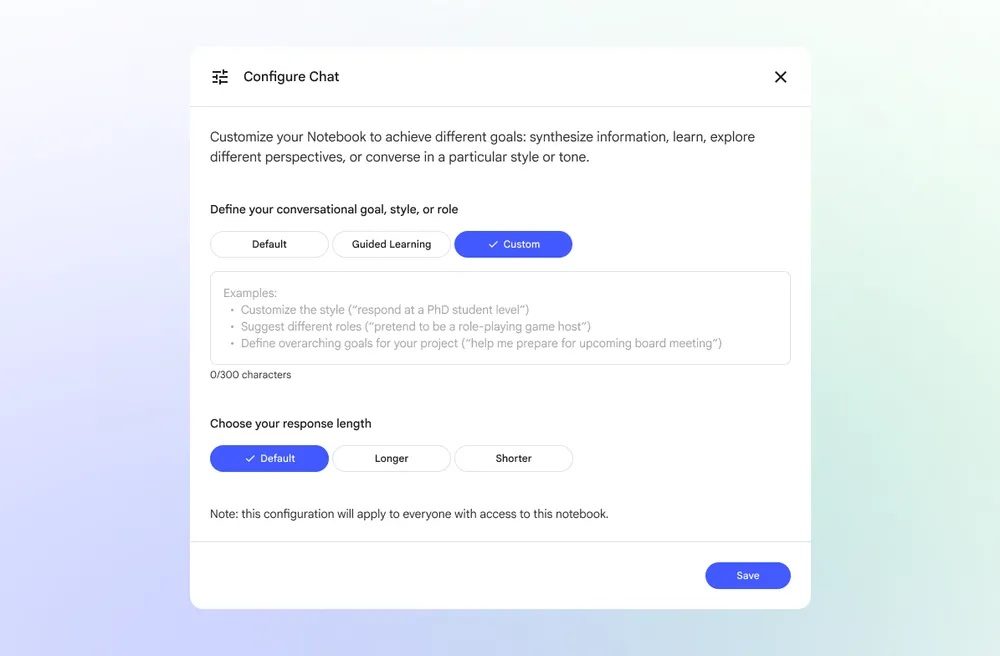
  • This means NotebookLM now handles bigger document sets and more sustained chats without losing track.
  • In addition to performance, NotebookLM now lets you customize chat goals and personas.
  • You can tell it to act like a PhD advisor, a marketing strategist, or even a game master. The system then adapts its tone, approach, and role accordingly.

This is important because: NotebookLM has been steadily leveling up over the past few months. Its ability to organize information topic wise and display it in an interactive Mind Map, combined with the web search support and integration of Nano Banana, has quietly evolved NotebookLM into one of Google’s most underrated AI tools. And the latest improvements can help in several ways.

  • You can bring in much larger sets of documents and still get coherent answers, thanks to the expanded context window.
  • Your chats and notebooks now remember far longer, making multi-stage work like research and editing smoother.
  • Makes AI studying/planning feel more personal and structured, not random chat responses
Recommended Videos

Why should I care? If your workflow involves reading many documents, writing reports, or collaborating with others, NotebookLM’s update could simplify it.

  • You can define how you want the tool to behave — pick the role, set a goal, and then let it assist you in a more meaningful way.
  • Whether you are prepping a thesis, running competitive analysis, or leading a creative project, this upgrade means your next session will be smoother and more aligned with you.
Manisha Priyadarshini
Manisha Priyadarshini is a tech and entertainment writer with over nine years of editorial experience.
Deepfake bosses are crashing video calls, and researchers are trying to expose them
Seeing your boss on video no longer proves they are real
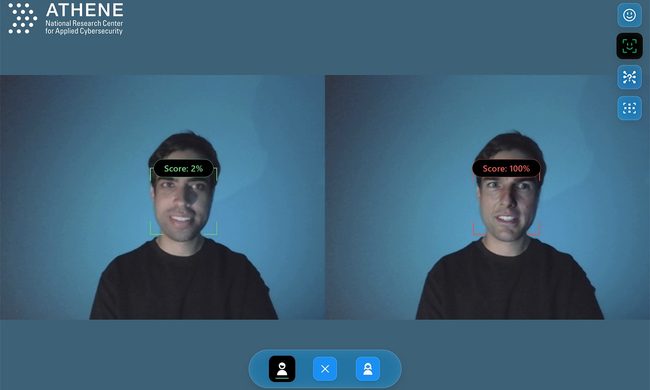
Researchers at Fraunhofer SIT are fighting against deepfake meeting video calls

Entering into a meeting with your boss and several familiar coworkers inside a video conference is the next area vulnerable to cybercrimes, and it's all because of deepfake technology. Researchers at the Fraunhofer Institute for Secure Information Technology SIT are working on a real-time warning system designed to identify attempted fraud during corporate video conferences.

The report states that criminals are increasingly targeting video meetings for identity theft and financial scams, taking advantage of the trust people place in familiar faces and voices. The intention is to flag suspicious activity while the meeting is still taking place. This gives an employee a chance to stop before following an expensive instruction from an AI-generated executive.

Read more
Apple will finally stop making iPhone-to-Windows copy-paste such a chore
Your iPhone may finally copy and paste with a Windows PC like it should
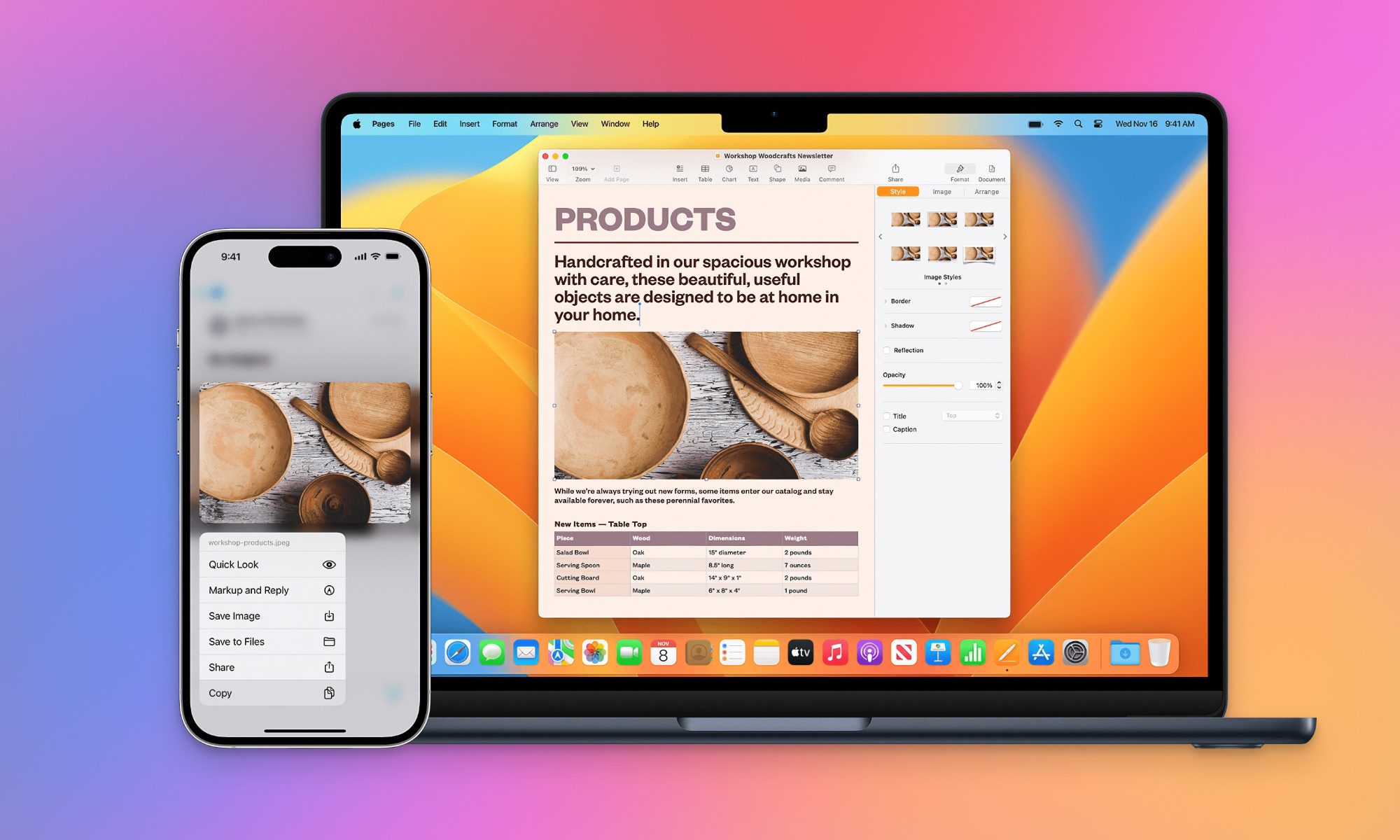
Apple Universal Clipboard feature

Copying something on an iPhone and pasting it onto a Windows PC should be one of the least remarkable features imaginable. While this simple process seems effortless between an iPhone and Mac, Windows users are still left waiting.

Now, Microsoft is formally asking Apple to provide interoperable clipboard access through the company’s European Union interoperability process. The request, submitted on March 25, argues that iOS restrictions prevent third-party platforms from creating an experience comparable to Apple’s Universal Clipboard. Apple has now reached Phase III and committed to developing a solution.

Read more
Chrome wants more extension reviews, but good ratings won’t keep malware out
Google is testing built-in extension review prompts, but good ratings can still hide malware
malicious-google-chrome-extensions-on-web-store

Google is preparing to add extension review links directly inside Chrome, putting feedback closer to the menus people already use to manage their add-ons.

A Chromium change, first spotted by Windows Report, points to review options in the Extensions menu, the chrome://extensions management page, and extension context menus. Only eligible Chrome Web Store extensions in good standing would qualify, and the feature is still under development.

Read more