1. Home
  2. Cars
  3. Legacy Archives

All new cars will be required to have rear-view cameras by 2018

Add as a preferred source on Google

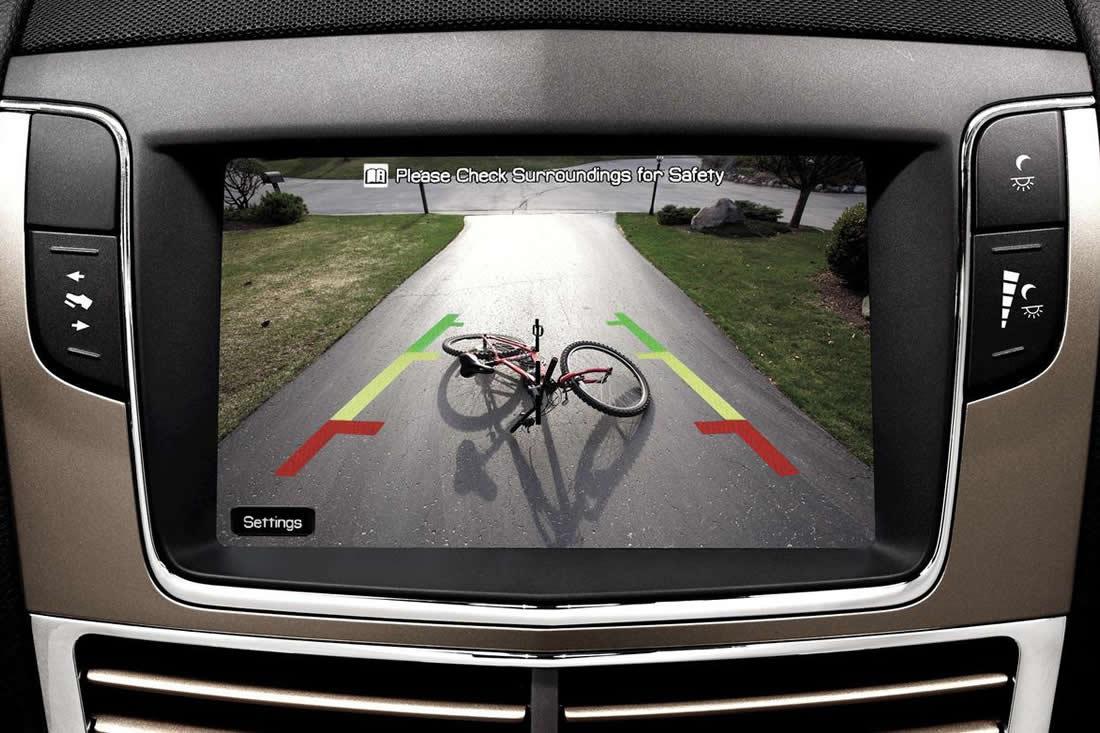
Announced by the U.S. Department of Transportation’s National Highway Traffic Safety Administration (NHTSA) earlier today, all new automobiles manufactured on or after May 1, 2018 will be required to include rear-view cameras for increased visibility. While the ruling is specific to vehicles under 10,000 pounds, that also includes all trucks as buses with the 2019 model year. Rear-view cameras mounted on the back of new vehicles will need to display a 10-foot by 20-foot field of view on a digital screen located on the dashboard of the vehicle.

This mandate was driven by the fact that an average of 210 people are killed each year in the United States by ‘backover crashes’ in addition to causing an average of 15,000 injuries. Even worse, nearly a third of the fatalities are young children under the age of five. On the opposite end of the age spectrum, approximately one fourth of the fatalities are older adults at least 70 years of age.

Recommended Videos

Speaking about the ruling, U.S. Transportation Secretary Anthony Foxx commented “Safety is our highest priority, and we are committed to protecting the most vulnerable victims of backover accidents — our children and seniors. As a father, I can only imagine how heart wrenching these types of accidents can be for families, but we hope that today’s rule will serve as a significant step toward reducing these tragic accidents.”
rear-view-camera
Image used with permission by copyright holder

This legislation has been delayed multiple times over the years, but was pushed through with greater ease this year since multiple automobile manufacturers have already started integrating camera technology into base models as a popular selling feature. In addition to increasing safety when backing up, the cameras are also being promoted to reduce the stress of parallel parking or driving a car out of a tight parking spot.  

According to USA Today, the manufacturer cost of installing a rear-review camera in a new car is about $140 and the cost to add a camera to an existing, compatible display system is no more than $45. In addition, the NHTSA believes that nearly three fourths of automobiles will have the rear-view cameras installed within the next four years. 

Mike Flacy
By day, I'm the content and social media manager for High-Def Digest, Steve's Digicams and The CheckOut on Ben's Bargains…
EVgo is bringing Tesla V4 Superchargers to its US charging network
EVgo and Tesla team up to bring 500kW charging to US cities.
evgo-tesla-partnership-v4-supercharger

Finding a fast charger for your electric vehicle could soon get a little easier. EVgo announced it will start installing hundreds of Tesla V4 Superchargers across major US cities, built under a license through Tesla's Supercharger for Business program.

This makes EVgo one of the first US networks to build Tesla's own charger design onto its stations, following a broader expansion that began with a $1.25 billion federal loan to add 7,500 new charging stalls nationwide.

Read more
Europe is reaping the benefits of an open market with a terrific $22K EV, while the US market stays boring 
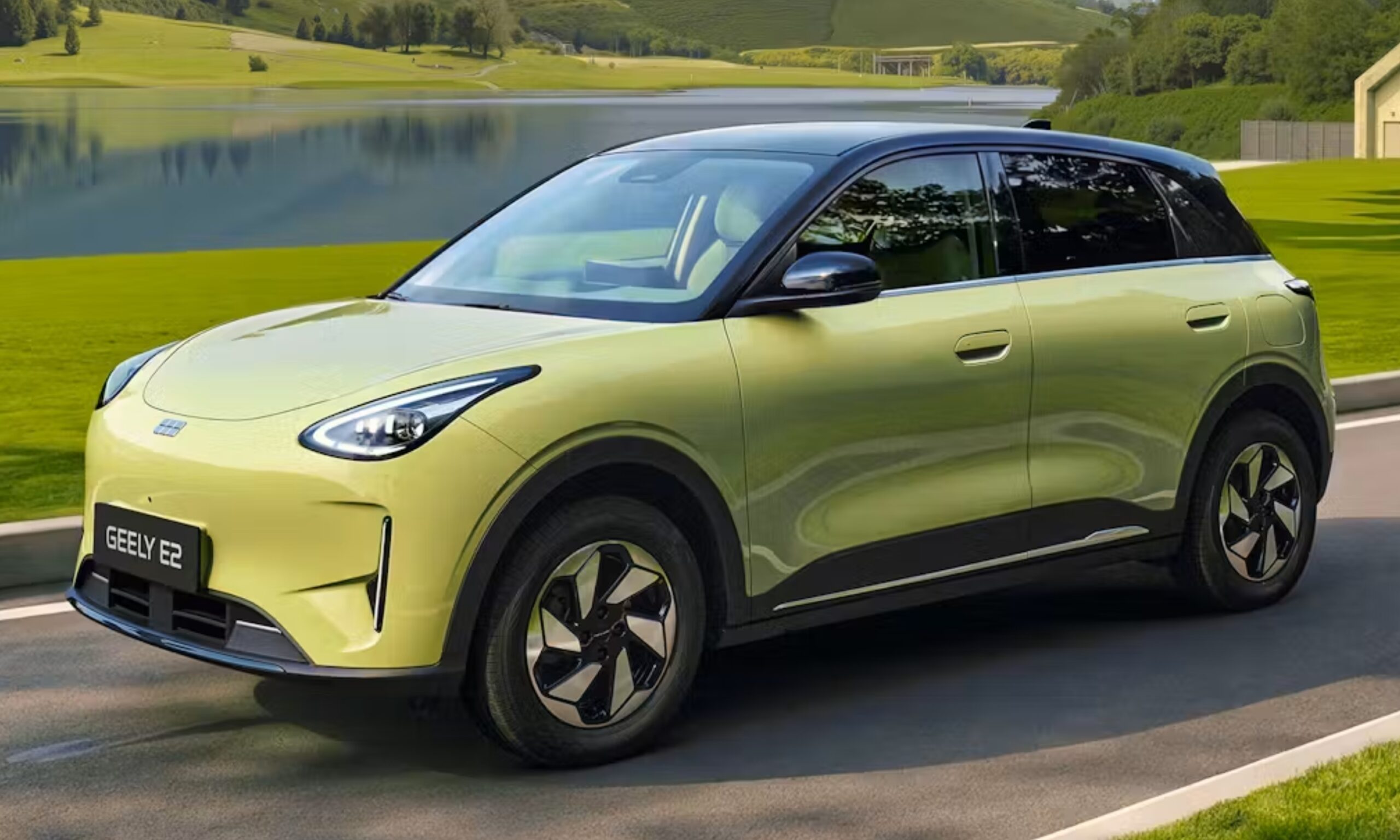
The new Geely E2 undercuts many rivals while highlighting China's affordable EV momentum.
Transportation, Vehicle, Car

This is not the first time I’ve watched European or Chinese car shoppers, for that matter, get a chance to buy genuinely affordable EVs. Meanwhile, American buyers keep hearing and talking about higher starting prices and fewer features on the entry-level trim. 

Geely’s new compact electric hatchback costs 19,490 EUR in Belgium, or roughly $22,490, and is yet another example of the same. While the entry price is only available for a limited time, I'm talking about the overall package the automaker is offering. 

Read more
Google Assistant finally has a shutdown date, and it’s only weeks away
Google Assistant starts shutting down September 4 as Gemini takes over.
google assistant mobile.

Google Assistant’s long goodbye now has a firm date. Google says it will begin discontinuing the voice assistant on eligible mobile devices on September 4, 2026, according to an email sent to users and shared publicly on Reddit.

The transition may take several weeks, so Assistant won’t vanish from every device at once. Once the change reaches an eligible Android device, Gemini will replace Assistant with no option to switch back.

Read more