1. Home
  2. Phones
  3. News

Sony’s new smartphone camera sensor could outshine Samsung’s Ultra series in real-world photography

A bigger sensor, smarter processing, and cleaner zoom may finally shift the balance in day-to-day mobile photography, and offer a real challenge to Samsung's 200MP sensor.

Add as a preferred source on Google
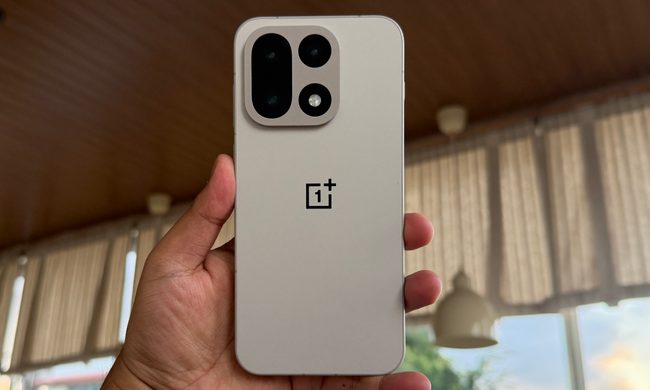
Representative image of the new 200MP camera sensor launched by Sony.
Sony

What’s happened? Sony has unveiled its first 200MP smartphone camera sensor: LYTIA 901.

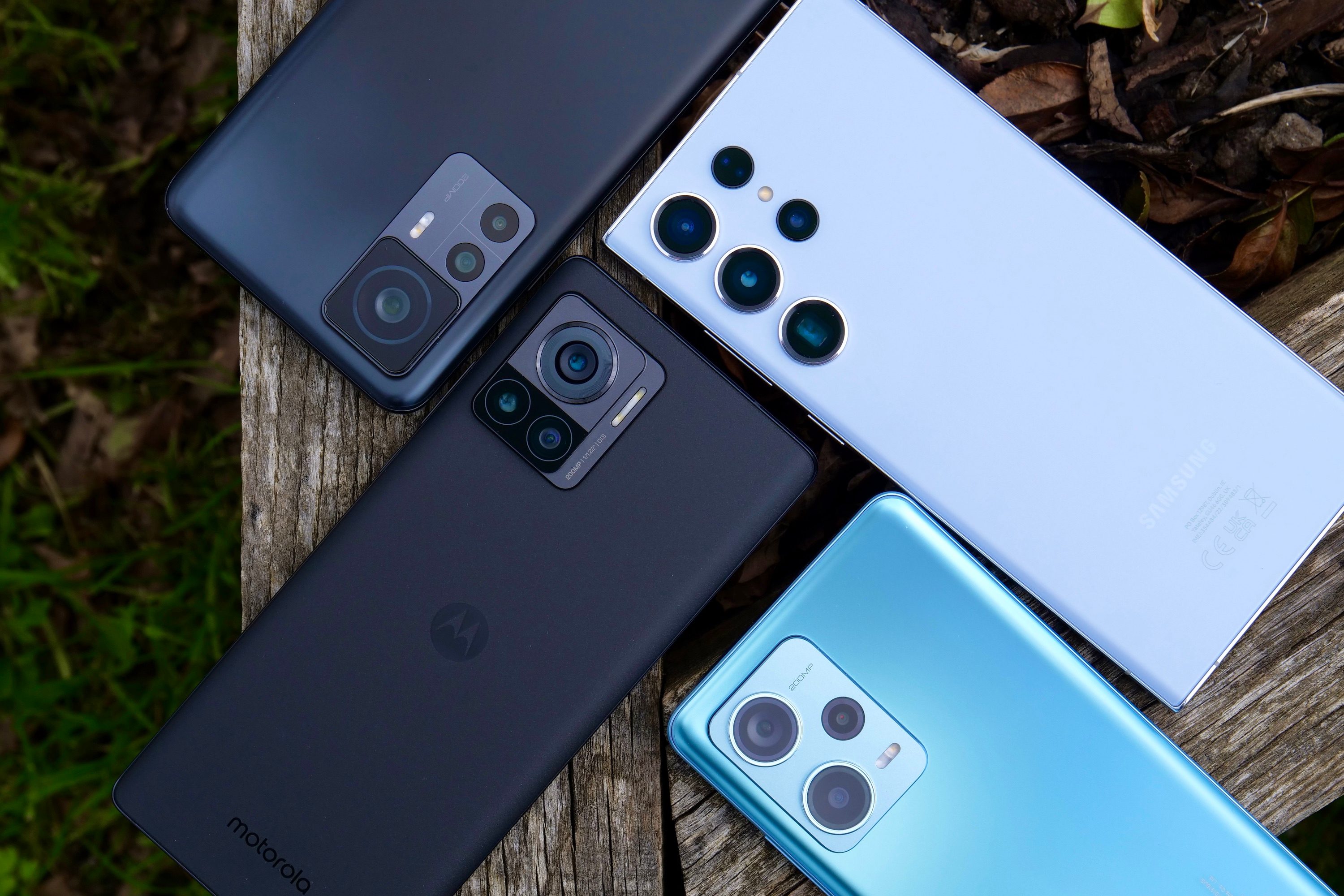
  • The 1/1.12-inch sensor is bigger than the primary Samsung ISOCELL HP2 1/1.3-inch sensor on the Galaxy S25 Ultra.
  • It deploys a Quad-Quad Bayer Coding (QQBC) layout and pairs it with AI-powered remosaicing built directly into the sensor, a new feature for smartphone photography.
  • Sony’s latest sensor supports multi-mode output, ranging from 12.5MP (16-in-1 pixel binning) to 200MP, leveraging pixel binning.
Why is this important? The sensor offers strong video and zoom capabilities, with up to 4x in-sensor zoom and support for high-frame-rate video capture.

  • Sony has also equipped the sensor with advanced HDR features, including a 12-bit pipeline and Dual Conversion Gain HDR, for impressive color and enhanced dynamic range.
  • Compared to the Galaxy S25 Ultra’s primary sensor, the LYTIA 901 has a larger pixel size (0.6 µm vs. 0.7 µm), suggesting it can capture more light and offering a slight advantage in per-pixel single strength.
  • The larger sensor and pixel size could help address the long-time compromises in smartphone photography.
Recommended Videos

Why should I care? Mass production of the new Sony sensor begins in November 2025.

  • Furthermore, several Android manufacturers, including Oppo and Vivo, are rumored to use the sensor on their upcoming flagships, the Find X9 Ultra and the X300 Ultra, respectively.
  • However, in the past, the Chinese manufacturers haven’t launched these smartphones in the United States. Anyway, Sony might release the sensor on one of its future flagships.
  • For you, the Sony LYTIA 901 sensor should result in more natural-looking photos with better tones and textures, improved in-sensor zoom range, with more clarity in resultant shots, less noise in low-light environments, and better dynamic range.

OK, what’s next? The first smartphones using the LYTIA 901 sensor should hit the market in early 2026.

  • Once the devices ship, we’ll see how Sony’s new sensor performs in real-world scenarios and whether it delivers on the promised detail, noise reduction, and zoom-related benefits.
  • The sensor could raise the bar for smartphone photography, possibly pushing Samsung to improve its current-generation 200MP sensor.
Shikhar Mehrotra
For more than five years, Shikhar has consistently simplified developments in the field of consumer tech and presented them…
OnePlus is building another flagship monster for a shrinking audience, and its expected to launch in October
OnePlus 16 could launch in October, but it may not leave China
Rear shell of OnePlus 15.

While OnePlus may have exited the US and Europe, the brand is still alive in its home market and is already working on its next flagship smartphone. A fresh leak from Chinese tipster Digital Chat Station has now revealed more details about the OnePlus 16, including its design and a revised launch timeline.

The tipster previously claimed that the phone would arrive in September 2026, but the latest information points to an October launch in China (via Gizmochina). The global picture is far less clear, and there is now even some doubt over whether the OnePlus 16 will make it to India, which remains the company’s biggest market.

Read more
Samsung has another wild foldable phone lined up for 2027 and it will excite screen connoisseurs
Samsung wants another giant OLED folding inside your pocket
Samsung Galaxy TriFold unfolded

Samsung just gave foldable fans a wider 4:3 canvas with the Galaxy Z Fold 8. But that still isn't enough screen for the company. Samsung has reportedly begun early development of a successor to the Galaxy Z TriFold, its dual-hinged phone that unfolds into something much closer to a proper tablet.

According to Korean publication ETNews, Samsung has already shared information about the next-generation project with suppliers, but its final specifications have yet to be decided. One detail should immediately grab the attention of anyone who buys a foldable primarily for its display. A source familiar with the project told ETNews that Samsung is currently targeting a screen size similar to the original TriFold.

Read more
Android’s most powerful app permission could soon come with a much scarier warning
New Android 17 language spells out how trusted apps may interact with your screen while your device remains locked
Electronics, Mobile Phone, Phone

Android 17 could make one of its most powerful app permissions harder to approve without a second thought. New warning text explains that trusted apps may view and interact with screen content, even while the phone is locked.

Nerd’s Chalk uncovered the language in an APK teardown of Android 17 QPR2 Beta 1. The feature isn’t active, but Google’s description now leaves considerably less to the imagination.

Read more